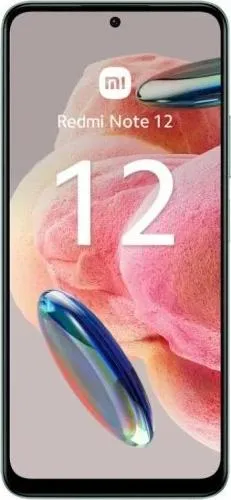

1. Specifications Comparison
| Feature | Xiaomi Redmi Note 12 4G | Honor 200 Pro | Practical Impact |
|---|---|---|---|
| Design | |||
| Dimensions (mm) | 165.7 x 76 x 7.9 | 163.3 x 75.2 x 8.2 | Honor 200 Pro is slightly shorter and narrower, but a bit thicker. Negligible difference in everyday use. |
| Weight (g) | 183.5 | 199 | Redmi Note 12 is noticeably lighter, reducing hand fatigue during extended use. |
| Build Material | Unspecified | Unspecified | Material affects durability and premium feel. Lack of information limits comparison. |
| Display | |||
| Display Type | AMOLED | OLED | Both offer excellent contrast and vibrant colors. |
| Display Size (inches) | 6.67 | 6.78 | Honor 200 Pro has a slightly larger display, providing a more immersive viewing experience. |
| Resolution | 1080 x 2400 | 1224 x 2700 | Honor 200 Pro has a sharper display with higher pixel density (437 ppi vs 395 ppi), resulting in crisper text and images. |
| Refresh Rate (Hz) | 120 | 120 | Both offer smooth scrolling and animations thanks to the high refresh rate. |
| Peak Brightness (nits) | 1200 | 4000 | Honor 200 Pro offers significantly higher peak brightness, ensuring better visibility in direct sunlight. |
| Performance | |||
| Chipset | Snapdragon 685 (6nm) | Snapdragon 8s Gen 3 (4nm) | Honor 200 Pro boasts a significantly more powerful processor, resulting in much faster performance for demanding tasks and gaming. |
| CPU | Octa-core (4x2.8 GHz Cortex-A73 & 4x1.9 GHz Cortex-A53) | Octa-core (1x3.0 GHz Cortex-X4 & 4x2.8 GHz Cortex-A720 & 3x2.0 GHz Cortex-A520) | The Honor 200 Pro's CPU architecture is newer and more powerful. |
| GPU | Adreno 610 | Adreno 735 | Honor 200 Pro has a considerably more powerful GPU, enabling smoother gaming and faster graphics rendering. |
| RAM | 4/6/8 GB | 12 GB | Honor 200 Pro offers significantly more RAM, enabling better multitasking and smoother performance with multiple apps open. |
| Camera | |||
| Main Camera | 50MP | 50MP | Megapixel count is similar, but sensor quality and other factors influence image quality. Detailed comparison is limited by missing sensor specifications for the Redmi Note 12. |
| Video Recording | 1080p@30fps | 4K@30fps with OIS, EIS | Honor 200 Pro offers significantly better video recording capabilities with higher resolution and stabilization. |
| Battery | |||
| Capacity (mAh) | 5000 | 5200 | Honor 200 Pro has a slightly larger battery capacity. |
| Fast Charging | 33W | 100W + 66W Wireless | Honor 200 Pro offers drastically faster wired charging and adds wireless charging. |
2. Key Differences Analysis
Honor 200 Pro Advantages:
- Significantly more powerful: Superior chipset, CPU, GPU, and RAM translate to a much smoother and faster user experience, especially for gaming and demanding tasks.
- Better display: Brighter, sharper, and slightly larger display offers a more immersive viewing experience.
- Superior camera capabilities: 4K video recording with stabilization, and a more versatile camera setup (including telephoto).
- Faster charging: Significantly faster wired charging and the addition of wireless charging provide major convenience.
Xiaomi Redmi Note 12 4G Advantages:
- Lighter weight: Noticeably lighter, making it more comfortable for extended use.
- Lower price: Offers a more budget-friendly option. (Based on "medium price" designation, but specific pricing information is incomplete).
3. User Profiles & Recommendations
Xiaomi Redmi Note 12 4G: Suitable for budget-conscious users who prioritize basic smartphone functionality - calling, texting, social media, and light web browsing. Not recommended for demanding tasks or gaming.
Honor 200 Pro: Ideal for users who demand top-tier performance, a premium display, excellent camera capabilities, and fast charging. Suitable for power users, gamers, and content creators.
4. Decision Framework
Key Questions for Buyers:
- What is your budget? The Redmi Note 12 4G is likely significantly cheaper.
- What are your primary smartphone uses? For basic tasks, the Redmi Note 12 may suffice. For demanding tasks and gaming, the Honor 200 Pro is a much better choice.
- How important are camera and display quality? The Honor 200 Pro offers noticeable advantages in both areas.
My Choice: Honor 200 Pro
While significantly more expensive (presumed), the Honor 200 Pro is the clear winner for me. The superior performance, display, camera, and charging capabilities offer a substantial upgrade over the Redmi Note 12 4G. The Snapdragon 8s Gen 3 chip, coupled with 12GB of RAM, ensures a future-proof device capable of handling anything I throw at it. The brighter and sharper display is a significant plus, especially outdoors. The faster charging, including wireless charging, is a huge convenience in my fast-paced life. While the Redmi Note 12 4G offers a lighter weight, it's a minor advantage compared to the substantial performance and feature gap. The slightly heavier weight is a trade-off I'm willing to make for the significant performance and feature advantages.
