1. Specifications Comparison
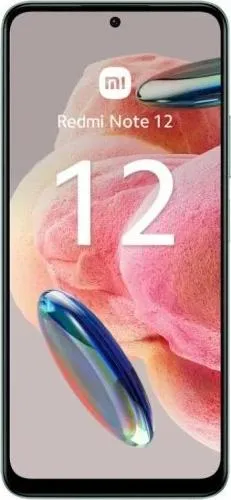
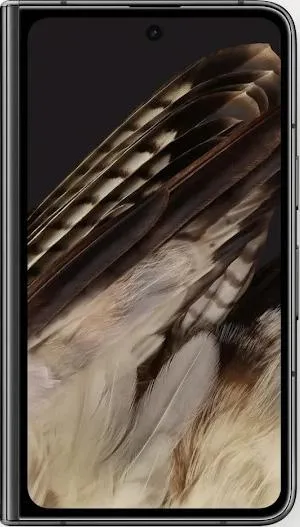
| Feature | Xiaomi Redmi Note 12 4G | Google Pixel Fold | Practical Impact |
|---|---|---|---|
| Design | |||
| Dimensions (mm) | 165.7 x 76 x 7.9 | 139.7 x 158.7 x 5.8 (folded) | Pixel Fold significantly smaller when folded, easier for pocket portability; Redmi taller and wider when unfolded. |
| Weight (g) | 183.5 | 283 | Redmi noticeably lighter, reducing hand fatigue; Pixel Fold's weight reflects its complex folding mechanism. |
| Foldable | No | Yes | Pixel Fold offers a larger screen in a smaller form factor due to its folding design. |
| Display | |||
| Display Size (inches) | 6.67 | 7.6 (unfolded), 5.8 (folded) | Pixel Fold provides a significantly larger main display for media consumption and multitasking; smaller external display for quick interactions. |
| Resolution (px) | 1080 x 2400 | 2208 x 1840 (unfolded), 1080 x 2092 (folded) | Both offer sharp displays; Pixel Fold's unfolded display provides more overall pixel real estate. |
| Display Type | AMOLED, 120Hz | Foldable OLED, 120Hz | Both offer smooth scrolling and animations; Pixel Fold uses a more advanced foldable OLED technology. |
| Peak Brightness (nits) | 1200 | 1450 | Pixel Fold's display is brighter, improving outdoor visibility. |
| HDR | No Dolby Vision, HDR10/10+ unclear | HDR10+ | Pixel Fold supports HDR10+ for enhanced video quality with compatible content. Redmi's HDR capabilities are unclear. |
| Performance | |||
| Chipset | Snapdragon 685 (6nm) | Google Tensor G2 (5nm) | Tensor G2 significantly more powerful, enabling smoother multitasking, faster app loading, and better AI processing. |
| CPU | Octa-core (4x2.8 GHz Cortex-A73 & 4x1.9 GHz Cortex-A53) | Octa-core (2x2.85 GHz Cortex-X1 & 2x2.35 GHz Cortex-A78 & 4x1.80 GHz Cortex-A55) | Pixel Fold boasts a more modern and powerful CPU architecture, leading to significantly better performance. |
| GPU | Adreno 610 | Mali-G710 MP7 | Pixel Fold's GPU offers much greater graphics performance, beneficial for gaming and demanding applications. |
| RAM | 4/6/8GB | 12GB | Pixel Fold has substantially more RAM, allowing for seamless multitasking and keeping more apps open in the background. |
| Camera | |||
| Rear Camera | 50MP Main + 8MP Wide + 2MP Macro | 48MP Main + 10.8MP Wide + 10.8MP Telephoto | Pixel Fold utilizes superior computational photography and offers a dedicated telephoto lens for optical zoom. |
| DxOMark Score | 63 | 133 | Pixel Fold's camera significantly outperforms the Redmi in image quality, detail, and overall performance as evidenced by the DxOMark scores. |
| Video Recording | 1080p@30fps | Up to 4K@60fps with HDR | Pixel Fold offers significantly higher resolution and frame rate video recording capabilities with HDR. |
| Battery | |||
| Capacity (mAh) | 5000 | 4821 | Comparable battery capacities, though real-world battery life depends on usage and optimization. |
| Fast Charging | 33W | 30W | Redmi offers slightly faster wired charging. |
2. Key Differences Analysis
Xiaomi Redmi Note 12 4G Advantages:
- Lower Price: Significantly more affordable.
- Lighter Weight: More comfortable for extended use.
- Potentially Longer Battery Life: Larger battery capacity might translate to longer battery life with moderate usage, though this isn't confirmed.
Google Pixel Fold Advantages:
- Significantly More Powerful: Superior performance in all aspects due to the Tensor G2 chip and larger RAM.
- Foldable Design: Offers a larger screen in a more portable form factor.
- Superior Camera System: Much better image quality, telephoto lens, and advanced video recording capabilities.
- Brighter Display with HDR10+: Enhances outdoor visibility and video quality.
- Faster Data Transfer and Connectivity: USB 3.2, Wi-Fi 6E, and 5G connectivity provide faster data transfer speeds and more reliable network connections compared to Redmi's USB 2.0, Wi-Fi 5, and 4G.
3. User Profiles & Recommendations
Redmi Note 12 4G: Budget-conscious users prioritizing basic communication, social media, and light web browsing. Suitable for users who value affordability and battery life over top-tier performance.
Pixel Fold: Users seeking a premium, cutting-edge device with top-of-the-line performance, a versatile foldable display, and an excellent camera system. Ideal for power users, content creators, and those who value portability and a large screen.
4. Decision Framework
Key Questions for Buyers:
- What is your budget? The Pixel Fold is significantly more expensive.
- What are your primary use cases? Basic tasks vs. demanding applications, media consumption, content creation.
- How important is portability and screen size? The Pixel Fold offers a larger screen in a foldable design, while the Redmi is larger and heavier overall.
Scenario-Based Recommendations:
- Limited budget, basic usage: Redmi Note 12 4G
- Power user, demanding tasks, premium features: Pixel Fold
- Desire for a large screen and portability: Pixel Fold
My Choice: Google Pixel Fold
While the Redmi Note 12 4G offers decent value for its price, the Pixel Fold's superior performance, foldable design, exceptional camera, and brighter display make it a clear winner for me. I prioritize a smooth user experience, future-proofing with 5G and a powerful processor, and the versatility of a large, foldable screen. The significantly higher price is justified by the substantial leap in features and capabilities. The Pixel Fold is a device that can handle demanding tasks, provide high-quality content creation tools, and offer a unique user experience. While heavier, the foldable design ultimately offers better portability for a large screen device.
