
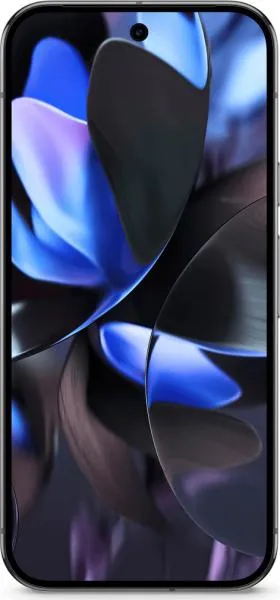
1. Specifications Comparison
| Feature | Xiaomi Redmi Note 12 4G | Google Pixel 9 Pro XL | Practical Impact |
|---|---|---|---|
| Design | |||
| Dimensions (mm) | 165.7 x 76 x 7.9 | 162.8 x 76.6 x 8.5 | Pixel 9 Pro XL is slightly shorter and wider, but thicker. Negligible difference in everyday use. |
| Weight (g) | 183.5 | 221 | Pixel 9 Pro XL is significantly heavier, potentially impacting one-handed use and pocket comfort. |
| Build Material | Not specified | Not specified | Cannot compare build quality and durability without this information. |
| Display | |||
| Display Size (inches) | 6.67 | 6.8 | Pixel has a slightly larger display, offering a marginally more immersive experience. |
| Resolution (pixels) | 1080 x 2400 | 1344 x 2992 | Pixel has a much sharper display with higher pixel density (395 vs 482 ppi), resulting in crisper text and images. |
| Display Type | AMOLED, 120Hz | LTPO OLED, 120Hz | Both offer smooth scrolling with 120Hz. Pixel's LTPO technology allows for dynamic refresh rate adjustment, potentially saving battery. Pixel also boasts higher peak brightness (3000 vs 1200 nits), ensuring better visibility outdoors. HDR10+ support on Pixel delivers superior dynamic range and color accuracy. |
| Performance | |||
| Chipset | Snapdragon 685 (6nm) | Google Tensor G4 (4nm) | Tensor G4 is significantly more powerful, enabling smoother multitasking, faster app loading, and better gaming performance. 4nm process suggests better power efficiency. |
| CPU | Octa-core (4x2.8 GHz A73 & 4x1.9 GHz A53) | Octa-core (1x3.1 GHz X4 & 3x2.6 GHz A720 & 4x1.92 GHz A520) | Pixel has a more modern and powerful CPU architecture, leading to a noticeable performance difference. |
| RAM | 4GB/6GB/8GB | 16GB | Pixel has significantly more RAM, allowing for more apps to run in the background without performance degradation. |
| GPU | Adreno 610 | Mali-G715 MC7 | Pixel's GPU is much more powerful, offering a substantial improvement in gaming and graphics-intensive tasks. |
| Camera | |||
| Rear Camera | 50MP Main, 8MP Wide, 2MP Macro | 50MP Main, 48MP Wide/Macro, 48MP Telephoto | Pixel offers a superior camera system with a higher resolution ultrawide and a dedicated telephoto lens, enabling optical zoom and higher quality zoom shots. Notably, the Pixel boasts significantly better DxOMark scores, indicating superior image quality. |
| Video Recording | 1080p@30fps | Up to 8K@30fps | Pixel supports much higher video resolution and frame rates, allowing for more detailed and professional-looking videos. |
| Battery | |||
| Capacity (mAh) | 5000 | 5060 | Negligible difference in battery capacity. |
| Fast Charging | 33W | 37W | Pixel offers slightly faster charging. |
| Wireless Charging | No | 23W | Pixel supports fast wireless charging, providing a convenient charging option. |
2. Key Differences Analysis
Xiaomi Redmi Note 12 4G Advantages:
- Lower Price: Significantly more affordable.
- Lighter Weight: More comfortable for extended use and one-handed operation.
Google Pixel 9 Pro XL Advantages:
- Significantly Higher Performance: Smoother multitasking, faster app loading, better gaming.
- Superior Display: Sharper, brighter, more color accurate, and more power efficient.
- Much Better Camera System: Higher resolution sensors, dedicated telephoto lens, superior image and video quality.
- Faster Charging and Wireless Charging: More convenient charging options.
- Longer Software Support: Expected to receive more OS updates than the Redmi Note 12.
Trade-offs:
- The Pixel 9 Pro XL's higher performance and features come at a significantly higher price and heavier weight.
3. User Profiles & Recommendations
Xiaomi Redmi Note 12 4G: Budget-conscious users who prioritize basic smartphone functionality (calling, texting, social media) and light gaming.
Google Pixel 9 Pro XL: Users who demand top-tier performance, the best camera system, a premium display, and the latest software features. Ideal for power users, mobile gamers, photographers, and videographers.
4. Decision Framework
Key Questions for Buyers:
- What is your budget? The price difference is substantial.
- What are your primary smartphone usage patterns? Basic use vs demanding tasks.
- How important are camera quality and performance to you?
Scenario-Based Recommendations:
- Limited Budget: Redmi Note 12 4G
- Balanced Needs and Budget: Consider other mid-range options.
- Best Possible Performance and Camera: Pixel 9 Pro XL
My Choice: Google Pixel 9 Pro XL
While significantly more expensive, the Pixel 9 Pro XL offers a vastly superior user experience in almost every aspect. The performance difference is substantial, the display is stunning, the camera system is exceptional, and the longer software support ensures a future-proof device. The weight might be a concern for some, but the overall package justifies the premium price for me. The improved performance, camera, and display are worth the investment for a device I'll use daily.
