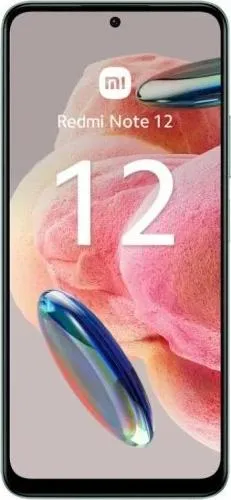

1. Specifications Comparison
| Feature | Xiaomi Redmi Note 12 4G | Google Pixel 9 Pro | Practical Impact |
|---|---|---|---|
| Design | |||
| Dimensions (mm) | 165.7 x 76 x 7.9 | 152.8 x 72 x 8.5 | Pixel 9 Pro is noticeably smaller and slightly thicker. Redmi is taller and wider. |
| Weight (g) | 183.5 | 199 | Pixel 9 Pro feels more substantial in hand, Redmi is lighter for extended use. |
| Build Material | Not specified | Not specified | Cannot compare build quality without material information. |
| Display | |||
| Display Type | AMOLED, 120Hz | LTPO OLED, 120Hz | Both offer smooth scrolling and animations; LTPO allows for dynamic refresh rate saving battery. Pixel likely has better outdoor visibility with higher peak brightness. |
| Size (inches) | 6.67 | 6.3 | Redmi offers a larger screen for media consumption; Pixel is more pocketable. |
| Resolution | 1080 x 2400 | 1280 x 2856 | Pixel has a sharper display with higher pixel density (495 vs 395 PPI). |
| Peak Brightness (nits) | 1200 | 3000 | Pixel will be significantly brighter outdoors. |
| HDR Support | No Dolby Vision, HDR10/10+ unspecified | HDR10+ | Pixel supports HDR10+ for improved video quality on compatible content. Redmi's HDR capabilities are unclear. |
| Performance | |||
| Chipset | Snapdragon 685 (6nm) | Google Tensor G4 (4nm) | Tensor G4 offers significantly better performance and efficiency due to newer architecture and manufacturing process. |
| CPU | Octa-core (4x2.8 GHz A73 & 4x1.9 GHz A53) | Octa-core (1x3.1 GHz X4 & 3x2.6 GHz A720 & 4x1.92 GHz A520) | Pixel 9 Pro boasts a more powerful CPU architecture, resulting in faster app loading, smoother multitasking, and better handling of demanding tasks. |
| RAM | 4/6/8GB | 16GB | Pixel offers vastly more RAM, enabling superior multitasking and preventing app closures in the background. |
| Storage | 128/256GB | 256/512/1000GB | Pixel provides more storage options for users with large media libraries. |
| OS | Android 13 | Android 14 | Pixel launches with the latest Android version and guaranteed longer updates. |
| Camera | |||
| Main Camera | 50MP, f/1.8 | 50MP, f/1.69 | Pixel likely performs better in low light due to wider aperture and advanced processing. Sensor size information suggests Pixel has a larger sensor (1/1.3" vs 1/2.76"). |
| Ultrawide | 8MP, f/2.2 | 48MP, f/1.7, Macro capability | Pixel offers significantly higher resolution and wider aperture for ultrawide shots, plus macro functionality. |
| Telephoto | No | 48MP, f/2.8 | Pixel features a dedicated telephoto lens for optical zoom, absent in the Redmi. |
| Video Recording | 1080p@30fps | Up to 8K@30fps | Pixel offers significantly better video recording capabilities with higher resolution and frame rates. |
| Battery | |||
| Capacity | 5000mAh | 4700mAh | Redmi has slightly larger battery capacity, but Pixel's LTPO display and efficient chip could result in comparable battery life. |
| Charging | 33W wired | 27W wired, 21W wireless | Redmi offers faster wired charging; Pixel supports wireless charging. |
2. Key Differences Analysis
Xiaomi Redmi Note 12 4G Advantages:
- Larger display for media consumption
- Lower price point
- Slightly larger battery capacity
- Faster wired charging
Google Pixel 9 Pro Advantages:
- Significantly more powerful performance (CPU, GPU, RAM)
- Superior camera system with telephoto lens and advanced features
- Sharper, brighter display with LTPO technology and HDR10+ support
- Latest Android version with guaranteed longer updates
- Wireless charging
Trade-offs:
- Redmi prioritizes affordability and larger display over performance and camera quality.
- Pixel prioritizes performance, camera, and software experience at a higher price point.
3. User Profiles & Recommendations
Redmi Note 12 4G: Budget-conscious users who prioritize a large display for media consumption, basic tasks, and casual photography.
Pixel 9 Pro: Users who demand top-tier performance, a cutting-edge camera system, the latest software, and a premium user experience. Ideal for power users, photographers, and videographers.
4. Decision Framework
Key Questions:
- What is your budget? The Redmi is significantly more affordable.
- What are your primary use cases? (e.g., gaming, photography, social media, web browsing)
- How important are software updates and future-proofing? Pixel offers longer software support.
My Choice: Google Pixel 9 Pro
While the Redmi Note 12 4G offers good value for its price, the Pixel 9 Pro is the clear winner for me. Its superior performance, vastly improved camera system, sharper display, and longer software support outweigh the higher price and slightly smaller battery. I value a smooth, responsive user experience, high-quality photos and videos, and the peace of mind that comes with timely software updates. The Pixel 9 Pro delivers on all fronts, making it a more future-proof investment. The Redmi's larger display is tempting, but not enough to sway me given the Pixel's comprehensive advantages in other key areas.
