1. Specifications Comparison
| Feature | Xiaomi Redmi Note 12 4G | Google Pixel 9 | Practical Impact |
|---|---|---|---|
| Design | |||
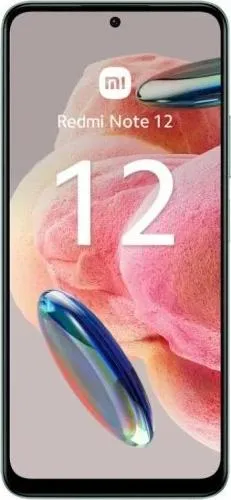
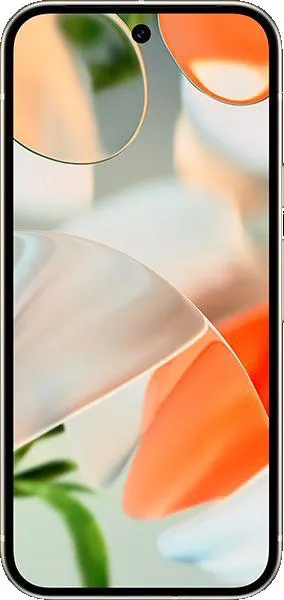
| Dimensions (mm) | 165.7 x 76 x 7.9 | 152.8 x 72 x 8.5 | Pixel 9 is noticeably smaller and slightly thicker. Redmi is taller and wider. |
| Weight (g) | 183.5 | 198 | Redmi is lighter, potentially more comfortable for extended use. |
| Build Material | Not specified | Not specified | Cannot compare build quality and durability without this information. |
| Display | |||
| Display Type | AMOLED, 120Hz | OLED, 120Hz | Both offer smooth scrolling and animations due to 120Hz. AMOLED generally offers deeper blacks. |
| Display Size (inches) | 6.67 | 6.3 | Redmi offers a larger screen for media consumption, Pixel 9 is more pocketable. |
| Resolution | 1080 x 2400 | 1080 x 2424 | Virtually identical resolutions; sharpness will be similar. |
| Peak Brightness (nits) | 1200 | 2700 (peak), 1800 (HBM) | Pixel 9 significantly brighter, crucial for outdoor visibility. |
| HDR | No Dolby Vision, HDR10/10+ status unclear | HDR10+ | Pixel 9 supports HDR10+ for improved dynamic range in compatible content. |
| Performance | |||
| Chipset | Snapdragon 685 (6nm) | Google Tensor G4 (4nm) | Tensor G4 significantly more powerful, enabling faster app loading, multitasking, and demanding gaming. |
| CPU | Octa-core (4x2.8 GHz Cortex-A73 & 4x1.9 GHz Cortex-A53) | Octa-core (1x3.1 GHz Cortex-X4 & 3x2.6 GHz Cortex-A720 & 4x1.92 GHz Cortex-A520) | Tensor G4's modern architecture and higher clock speeds deliver a substantial performance advantage. |
| GPU | Adreno 610 | Mali-G715 MC7 | Mali-G715 significantly more powerful for gaming and graphics-intensive tasks. |
| RAM | 4/6/8GB | 12GB | Pixel 9 has significantly more RAM, allowing for more apps to run in the background without performance degradation. |
| Camera | |||
| Main Camera | 50MP | 50MP | Megapixel count similar, but sensor size and processing significantly impact image quality. Pixel's computational photography likely superior. |
| Ultrawide | 8MP | 48MP (also Macro) | Pixel 9 boasts a higher resolution ultrawide, potentially capturing more detail. It also combines macro functionality. |
| Video Recording | 1080p@30fps | Up to 4K@60fps with HDR, OIS, EIS | Pixel 9 offers significantly better video recording capabilities in terms of resolution, frame rate, stabilization, and dynamic range. |
| Battery | |||
| Capacity | 5000 mAh | 4700 mAh | Redmi has a slightly larger battery capacity, potentially offering longer battery life. However, real-world usage depends on optimization. |
| Fast Charging | 33W | 27W wired | Redmi offers faster wired charging, reducing downtime. Pixel has 15W wireless charging. |
2. Key Differences Analysis
Xiaomi Redmi Note 12 4G Advantages:
- Larger Display: Better for media consumption.
- Potentially Longer Battery Life: Larger battery capacity.
- Faster Wired Charging: Less downtime.
- Lower Price: Significantly more affordable.
Google Pixel 9 Advantages:
- Significantly More Powerful: Smoother performance, better multitasking, superior gaming capabilities.
- Superior Camera System: Advanced computational photography, higher quality ultrawide lens, significantly better video recording capabilities.
- Brighter Display: Much better outdoor visibility.
- More RAM: Improved multitasking and overall responsiveness.
- Longer Software Support: Expected to receive more OS updates.
- 5G Connectivity: Faster data speeds and future-proofed.
3. User Profiles & Recommendations
Redmi Note 12 4G: Budget-conscious users prioritizing a large display and long battery life for basic tasks like web browsing, social media, and casual gaming.
Pixel 9: Users who value performance, camera quality, a premium user experience, and the latest software features. Ideal for demanding tasks, mobile photography, and videography.
4. Decision Framework
Key Questions:
- What is your budget? Redmi Note 12 4G is significantly cheaper.
- What are your primary smartphone uses? Pixel 9 excels in performance and camera, while Redmi prioritizes basic tasks and media consumption.
- How important are software updates and long-term support? Pixel 9 is expected to receive longer software support.
My Choice: Google Pixel 9
While the Redmi Note 12 offers a larger display and potentially longer battery life at a lower price point, the Pixel 9's superior performance, significantly better camera system, brighter display, longer software support, and 5G connectivity make it a much more compelling device overall. The price difference is significant, but the Pixel 9 offers a substantially better user experience in almost every aspect beyond basic calling and texting. The Tensor G4's performance and AI capabilities, combined with Google's renowned camera software, deliver a premium experience that justifies the higher cost for me. The future-proofing of 5G and the commitment to long-term software updates solidify the Pixel 9 as the better long-term investment.
