1. Specifications Comparison
| Feature | Xiaomi Redmi Note 12 4G | Google Pixel 8a | Practical Impact |
|---|---|---|---|
| Design | |||
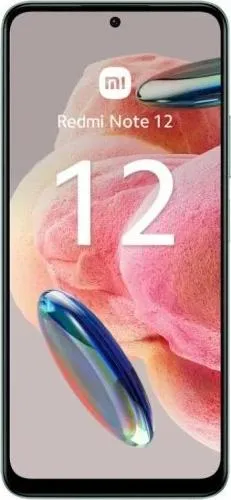
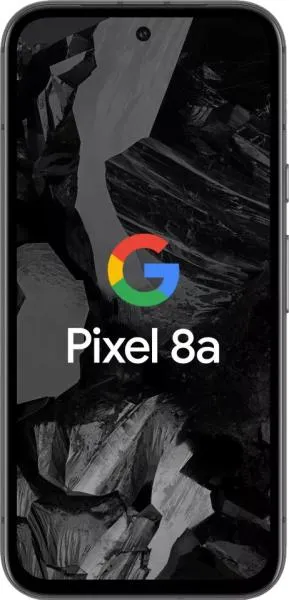
| Dimensions (mm) | 165.7 x 76 x 7.9 | 152.1 x 72.7 x 8.9 | Pixel 8a is noticeably smaller and slightly thicker. Redmi is taller and wider. |
| Weight (g) | 183.5 | 188 | Negligible weight difference in practical use. |
| Build | Unspecified | Unspecified | Material differences could impact durability and premium feel, but information is lacking. |
| Display | |||
| Display Type | AMOLED, 120Hz | OLED, 120Hz | Both offer smooth scrolling and animations thanks to 120Hz. AMOLED and OLED generally offer similar visual quality, although specific panel implementations can vary. |
| Size (inches) | 6.67 | 6.1 | Redmi offers a larger screen for media consumption, but Pixel 8a is more pocketable. |
| Resolution | 1080 x 2400 | 1080 x 2400 | Identical resolution, but Pixel 8a has higher pixel density due to smaller screen size, resulting in slightly sharper images. |
| Peak Brightness (nits) | 1200 | 2000 (peak) | Pixel 8a's significantly higher peak brightness ensures better visibility in direct sunlight. |
| Performance | |||
| Chipset | Snapdragon 685 (6nm) | Google Tensor G3 (4nm) | Tensor G3 is significantly more powerful, enabling faster app loading, smoother multitasking, and better gaming performance. |
| CPU | Octa-core (4x2.8 GHz Cortex-A73 & 4x1.9 GHz Cortex-A53) | Nona-core (1x3.0 GHz Cortex-X3 & 4x2.45 GHz Cortex-A715 & 4x2.15 GHz Cortex-A510) | Tensor G3's more modern architecture provides a substantial performance advantage. |
| GPU | Adreno 610 | Immortalis-G715s MC10 | Pixel 8a's GPU is considerably more powerful, offering a superior gaming and graphics-intensive task experience. |
| RAM | 4GB/6GB/8GB | 8GB | Pixel 8a offers more RAM in all variants, contributing to smoother multitasking. |
| OS | Android 13 | Android 14 | Pixel 8a comes with the latest Android version and will receive longer software updates directly from Google. |
| Camera | |||
| Rear Camera | 50MP Main, 8MP Ultrawide, 2MP Macro | 64MP Main, 13MP Ultrawide/Macro | Pixel 8a utilizes a larger main sensor and Google's advanced image processing for potentially superior image quality. Combining ultrawide and macro into one lens on the Pixel could be a limitation for dedicated macro photography. |
| Front Camera | 13MP | 13MP | Similar resolution, but practical image quality will depend on sensor and software processing. |
| Video Recording | 1080p@30fps | Up to 4K@60fps with OIS | Pixel 8a offers significantly better video recording capabilities with higher resolution, frame rates, and optical image stabilization. |
| Battery | |||
| Capacity (mAh) | 5000 | 4492 (Rounded to 4500 in some places) | Redmi has a slightly larger battery capacity, but real-world battery life depends on optimization and usage patterns. |
| Charging | 33W Fast Charging | 18W Fast Charging | Redmi charges significantly faster. |
2. Key Differences Analysis
Xiaomi Redmi Note 12 4G Advantages:
- Larger Display: Better for media consumption.
- Larger Battery: Potentially longer battery life, although real-world usage will vary.
- Faster Charging: Less downtime for charging.
- Lower Price: Offers a more budget-friendly option.
Google Pixel 8a Advantages:
- Significantly More Powerful: Smoother performance for demanding tasks and gaming.
- Better Camera System: Expected to deliver superior image and video quality, especially in low light, due to Google's computational photography expertise.
- Longer Software Support: Guaranteed updates for a longer period.
- 5G Connectivity: Future-proofed for faster network speeds.
3. User Profiles & Recommendations
Xiaomi Redmi Note 12 4G: Budget-conscious users who prioritize a large display and long battery life for media consumption, casual gaming and social media.
Google Pixel 8a: Users who value performance, camera quality, timely software updates, and future-proof features like 5G. Best for demanding tasks, mobile photography, and those who want a smooth, updated Android experience.
4. Decision Framework
Key Questions for Buyers:
- What is your budget? The Redmi Note 12 4G is significantly cheaper.
- What are your primary use cases? Media consumption vs. demanding tasks/gaming/photography.
- How important are software updates and future-proofing? Pixel 8a offers a longer support cycle and 5G.
My Choice: Google Pixel 8a
While the Redmi Note 12 offers a larger display and battery, the Pixel 8a's superior performance, significantly better camera system, longer software support, and 5G connectivity make it a much more compelling device for me. I prioritize a smooth user experience, high-quality photos and videos, and the assurance of timely software updates. The price difference is justifiable for the substantial improvements offered by the Pixel 8a in terms of overall user experience and longevity. The more powerful chip in the Pixel 8a future-proofs it for more demanding applications and ensures a smoother experience for a longer period. While I appreciate the Redmi's larger battery, software optimization often plays a bigger role in actual battery life, and the Pixel's more efficient processor might offset the capacity difference.
