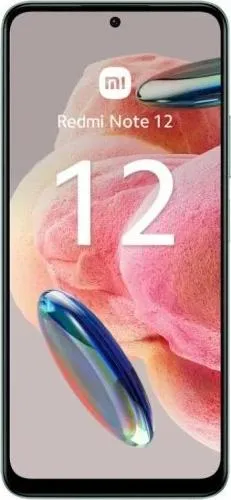

1. Specifications Comparison
| Feature | Xiaomi Redmi Note 12 4G | Google Pixel 8 Pro | Practical Impact |
|---|---|---|---|
| Design | |||
| Dimensions (mm) | 165.7 x 76 x 7.9 | 162.6 x 76.5 x 8.8 | Pixel 8 Pro slightly shorter, wider, and thicker. Negligible difference in hand feel. |
| Weight (g) | 183.5 | 213 | Pixel 8 Pro noticeably heavier, potentially impacting one-handed use and pocket comfort. |
| Build Materials | Not specified | Not specified | Cannot compare build quality and durability without material information. |
| Display | |||
| Display Type | AMOLED, 120Hz | LTPO OLED, 120Hz | Both offer smooth scrolling and animations. Pixel 8 Pro's LTPO allows for variable refresh rate, saving battery. |
| Display Size (inches) | 6.67 | 6.7 | Negligible size difference. |
| Resolution | 1080 x 2400 | 1344 x 2992 | Pixel 8 Pro significantly sharper due to higher resolution, resulting in crisper text and images. |
| Peak Brightness (nits) | 1200 | 2400 | Pixel 8 Pro much brighter, ensuring better outdoor visibility. |
| HDR | No HDR10/10+ or Dolby Vision | HDR10+ | Pixel 8 Pro supports HDR10+ for enhanced video and gaming experience with compatible content. |
| Performance | |||
| Chipset | Snapdragon 685 (6nm) | Google Tensor G3 (4nm) | Tensor G3 significantly more powerful, enabling faster app loading, smoother multitasking, and better gaming performance. |
| CPU | Octa-core (4x2.8 GHz Cortex-A73 & 4x1.9 GHz Cortex-A53) | Nona-core (1x3.0 GHz Cortex-X3 & 4x2.45 GHz Cortex-A715 & 4x2.15 GHz Cortex-A510) | Tensor G3's more modern architecture and higher clock speeds provide a substantial performance advantage. |
| RAM | 4GB/6GB/8GB | 12GB | Pixel 8 Pro offers significantly more RAM, allowing for more apps to run in the background without reloading. |
| OS Updates | Up to Android 14 | Up to Android 21 | Pixel 8 Pro guaranteed significantly longer software support and security updates, enhancing longevity and security. |
| Camera | |||
| Rear Camera | 50MP Main, 8MP Wide, 2MP Macro | 50MP Main, 48MP Wide/Macro, 48MP Telephoto | Pixel 8 Pro boasts a superior camera system with a higher resolution ultrawide and a dedicated telephoto lens, enabling optical zoom and versatility. |
| Video Recording | 1080p@30fps | Up to 4K@60fps with HDR, OIS, EIS | Pixel 8 Pro offers significantly better video recording capabilities with higher resolution, frame rates, and stabilization. |
| DXOMARK Score | 63 | 153 | Pixel 8 Pro's significantly higher DXOMARK score indicates superior overall camera quality. |
| Battery | |||
| Capacity (mAh) | 5000 | 5050 | Negligible difference in battery capacity. |
| Fast Charging | 33W | 30W | Redmi Note 12 charges slightly faster despite lower wattage, likely due to optimization differences. |
| Wireless Charging | No | Yes (23W) | Pixel 8 Pro offers convenient wireless charging. |
2. Key Differences Analysis
Xiaomi Redmi Note 12 4G Advantages:
- Lower Price: Significantly more affordable.
- Slightly Faster Wired Charging: Offers quicker wired charging speeds.
Google Pixel 8 Pro Advantages:
- Significantly Superior Performance: Tensor G3 chip provides a much smoother and faster user experience.
- Much Better Display: Higher resolution, brighter, and supports HDR10+ for a superior visual experience.
- More Advanced Camera System: Offers higher quality photos and videos with versatile lens options and advanced features.
- Longer Software Support: Guaranteed to receive major OS and security updates for a longer period.
- Wireless Charging: Offers the convenience of wireless charging.
- More RAM: Ensures smoother multitasking and prevents apps from closing in the background.
3. User Profiles & Recommendations
Xiaomi Redmi Note 12 4G: Ideal for budget-conscious users who prioritize basic smartphone functionality for everyday tasks like calling, texting, browsing, and social media. Best for users who don't demand high performance or advanced camera features.
Google Pixel 8 Pro: Ideal for users who demand top-tier performance, a premium camera system, a stunning display, and the latest software features. Best for users who engage in demanding tasks like gaming, video editing, and photography, and value long-term software support.
4. Decision Framework
Key Questions for Buyers:
- What is your budget? The Redmi Note 12 is a budget-friendly option, while the Pixel 8 Pro is a premium device.
- What are your primary smartphone usage patterns? For basic tasks, the Redmi Note 12 suffices. For demanding tasks and multimedia consumption, the Pixel 8 Pro excels.
- How important are camera quality and software updates? The Pixel 8 Pro significantly outperforms the Redmi Note 12 in both areas.
My Choice: Google Pixel 8 Pro
While the Xiaomi Redmi Note 12 4G offers excellent value for its price, the Google Pixel 8 Pro is the clear winner for me. The significantly superior performance, display, camera system, and guaranteed long-term software updates justify the higher price. I prioritize a smooth and future-proof user experience, along with a top-tier camera for capturing life's moments. The addition of wireless charging is a welcome convenience. While the Redmi Note 12 might be sufficient for basic users, the Pixel 8 Pro offers a significantly enhanced user experience that aligns better with my needs and preferences.
