1. Specifications Comparison
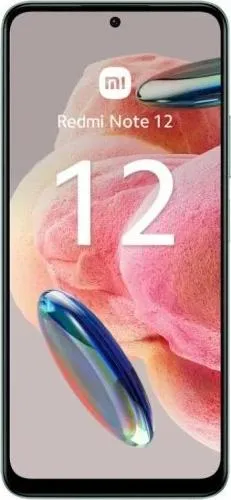
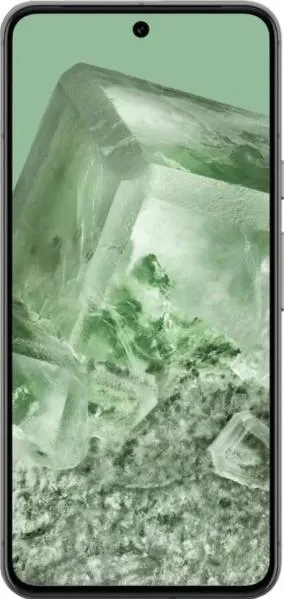
| Feature | Xiaomi Redmi Note 12 4G | Google Pixel 8 | Practical Impact |
|---|---|---|---|
| Design | |||
| Dimensions (mm) | 165.7 x 76 x 7.9 | 150.5 x 70.8 x 8.9 | Pixel 8 is noticeably smaller and slightly thicker, making it potentially more pocketable but possibly less comfortable for large hands. |
| Weight (g) | 183.5 | 187 | Negligible weight difference; both phones are relatively light. |
| Build Materials | Not specified | Not specified | Cannot compare build quality and durability without this information. |
| Display | |||
| Display Type | AMOLED, 120Hz | OLED, 120Hz | Both offer smooth scrolling and animations thanks to 120Hz. AMOLED and OLED generally offer similar visual quality, though specific panel implementations can vary. |
| Display Size (inches) | 6.67 | 6.2 | Redmi Note 12 provides a larger screen for media consumption but reduced one-handed usability. Pixel 8 offers better one-handed use. |
| Resolution | 1080 x 2400 | 1080 x 2400 | Identical resolution; sharpness will be slightly higher on the Pixel 8 due to its smaller screen size resulting in higher pixel density. |
| Peak Brightness (nits) | 1200 | 2000 | Pixel 8's significantly higher peak brightness ensures better outdoor visibility in direct sunlight. |
| HDR | No Dolby Vision, HDR10/10+ status unclear | HDR10+, HDR10 | Pixel 8 supports HDR standards, resulting in better dynamic range and color accuracy in supported content. |
| Performance | |||
| Chipset | Snapdragon 685 (6nm) | Google Tensor G3 (4nm) | Tensor G3, built on a more advanced process, will offer significantly better performance and power efficiency, impacting app loading speeds, multitasking, and gaming. |
| CPU | Octa-core (4x2.8 GHz Cortex-A73 & 4x1.9 GHz Cortex-A53) | Nona-core (1x3.0 GHz Cortex-X3 & 4x2.45 GHz Cortex-A715 & 4x2.15 GHz Cortex-A510) | Tensor G3's more modern CPU architecture and higher clock speeds provide a substantial performance advantage. |
| GPU | Adreno 610 | Immortalis-G715s MC10 | Pixel 8's GPU will deliver a far superior gaming experience and handle graphically demanding tasks with ease. |
| RAM | 4GB/6GB/8GB | 8GB | Pixel 8 offers more RAM, enabling smoother multitasking and better performance with memory-intensive applications. |
| OS Updates | Up to Android 14 | Up to Android 21 | Pixel 8 benefits from significantly longer software support, ensuring security updates and new features for years to come. |
| Camera | |||
| Main Camera | 50MP, f/1.8 | 50MP, f/1.69 | Pixel 8's wider aperture (f/1.69) allows for better low-light performance. Google's advanced image processing usually results in superior image quality despite similar megapixel counts. |
| Ultrawide | 8MP, f/2.2 | 12MP, f/2.2 | Pixel 8 offers a higher resolution ultrawide camera. |
| Video Recording | 1080p@30fps | Up to 4K@60fps with HDR, OIS, EIS | Pixel 8 significantly outperforms in video recording capabilities with higher resolution, frame rates, and stabilization. |
| Battery | |||
| Capacity | 5000mAh | 4575mAh | Redmi Note 12 has a larger battery capacity suggesting potentially longer battery life. However, real-world usage will depend on software optimization and the more power-efficient chip in the Pixel 8. |
| Fast Charging | 33W | 27W | Redmi Note 12 offers faster wired charging. Wireless charging availability is not specified for either phone. |
2. Key Differences Analysis
Xiaomi Redmi Note 12 4G Advantages:
- Larger Display: Better for media consumption.
- Potentially Longer Battery Life: Larger battery capacity.
- Faster Wired Charging: 33W vs 27W.
- Lower Price: Typically more affordable.
Google Pixel 8 Advantages:
- Significantly Superior Performance: More powerful processor and GPU.
- Better Camera System: Superior image quality and video recording capabilities due to Google's computational photography.
- Longer Software Support: Guaranteed updates for a longer period.
- Brighter, HDR-capable Display: Improves outdoor visibility and content consumption experience.
- More Premium Features: Includes features like barometer, and potentially wireless charging (not specified).
3. User Profiles & Recommendations
Xiaomi Redmi Note 12 4G: Budget-conscious users prioritizing a large display and long battery life for basic tasks like web browsing, social media, and casual gaming.
Google Pixel 8: Users who value performance, camera quality, software updates, and a premium user experience. Suitable for demanding tasks, mobile photography, and gaming.
4. Decision Framework
Key Questions for Buyers:
- What is your budget? The Redmi Note 12 is significantly cheaper.
- What are your primary use cases? Gaming, photography, and demanding tasks favor the Pixel 8. Basic usage favors the Redmi Note 12.
- How important are software updates and long-term support? Pixel 8 provides much longer support.
My Choice: Google Pixel 8
While the Redmi Note 12 offers a larger battery and faster charging at a lower price, the Pixel 8's superior performance, camera, software support, and overall user experience make it the better choice for me. The Tensor G3 chip provides a significant advantage in daily use and future-proofs the device. Google's commitment to software updates ensures a longer lifespan and access to the latest features. The improved camera system and brighter display further solidify the Pixel 8 as the more compelling option, despite the higher price. I prioritize these aspects over a slightly larger screen or faster charging.
