
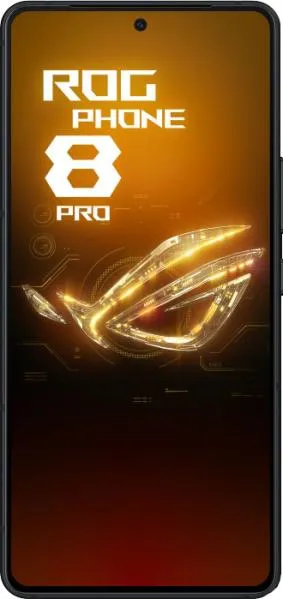
1. Specifications Comparison
| Feature | Xiaomi Redmi Note 12 4G | Asus ROG Phone 8 Pro | Practical Impact |
|---|---|---|---|
| Design | |||
| Dimensions (mm) | 165.7 x 76 x 7.9 | 163.8 x 76.8 x 8.9 | ROG Phone 8 Pro is slightly shorter and wider, but noticeably thicker. Redmi Note 12 is lighter. ROG Phone likely feels more substantial in hand. |
| Weight (g) | 183.5 | 225 | Significant weight difference. Redmi Note 12 is more pocketable and comfortable for extended use. ROG Phone's weight suggests a more premium build and larger battery. |
| Display | |||
| Display Size (inches) | 6.67 | 6.78 | Negligible difference in screen real estate. |
| Resolution (px) | 1080 x 2400 | 1080 x 2400 | Identical resolution, but ROG Phone has a slightly lower pixel density due to the larger screen size. Difference is imperceptible. |
| Display Type | AMOLED, 120Hz | LTPO AMOLED, 165Hz, 1B colors | ROG Phone boasts a superior display with LTPO for variable refresh rate (better battery life), higher peak brightness (better outdoor visibility), HDR10 support (wider color gamut), and a smoother 165Hz refresh rate (better for gaming). |
| Performance | |||
| Chipset | Snapdragon 685 (6nm) | Snapdragon 8 Gen 3 (4nm) | Massive performance difference. Snapdragon 8 Gen 3 is a flagship chip offering significantly faster processing, smoother multitasking, and better gaming capabilities. |
| CPU | Octa-core (4x2.8 GHz Cortex-A73 & 4x1.9 GHz Cortex-A53) | Octa-core (1x3.3 GHz Cortex-X4 & 3x3.2 GHz Cortex-A720 & 2x3.0 GHz Cortex-A720 & 2x2.3 GHz Cortex-A520) | ROG Phone 8 Pro has a much more powerful and modern CPU architecture. |
| GPU | Adreno 610 | Adreno 750 | ROG Phone's GPU is significantly more capable for demanding gaming and graphics-intensive tasks. |
| RAM | 4GB/6GB/8GB | 16GB/24GB | ROG Phone offers vastly more RAM, enabling superior multitasking and smoother performance with demanding applications. |
| Camera | |||
| Main Camera (MP) | 50 | 50 | Similar megapixel count, but sensor quality and features differ significantly (see below). |
| Other Cameras | 8MP ultrawide, 2MP macro | 13MP ultrawide/macro, 32MP telephoto | ROG Phone offers a more versatile camera setup with a dedicated telephoto lens and higher resolution ultrawide. |
| Video Recording | 1080p@30fps | Up to 8K@24fps | ROG Phone provides significantly better video recording capabilities with higher resolution and frame rate options. |
| Battery | |||
| Capacity (mAh) | 5000 | 5500 | ROG Phone has a slightly larger battery. |
| Charging | 33W Fast Charging | 65W Fast Charging | ROG Phone charges significantly faster. |
2. Key Differences Analysis
Xiaomi Redmi Note 12 4G Advantages:
- Lighter and More Affordable: Significantly lighter and cheaper, making it more pocketable and budget-friendly.
Asus ROG Phone 8 Pro Advantages:
- Flagship Performance: Offers top-tier performance for demanding tasks and gaming due to its powerful Snapdragon 8 Gen 3 chip, ample RAM, and high-end GPU.
- Superior Display: Features a brighter, smoother, and more color-accurate display with HDR10 support and LTPO technology.
- Versatile Camera System: Includes a telephoto lens and higher resolution ultrawide for greater photographic flexibility.
- Faster Charging: Charges significantly faster thanks to 65W fast charging.
- Advanced Connectivity: Supports newer Wi-Fi standards (WiFi 7) and Bluetooth 5.3.
Trade-offs:
- Price: ROG Phone 8 Pro is significantly more expensive.
- Size and Weight: ROG Phone 8 Pro is heavier and thicker, potentially less comfortable for everyday use.
3. User Profiles & Recommendations
Redmi Note 12 4G: Suitable for budget-conscious users who prioritize basic smartphone functionalities like calling, texting, web browsing, and social media. Not ideal for demanding gaming or heavy multitasking.
ROG Phone 8 Pro: Ideal for power users, gamers, and content creators who demand top-tier performance, a stunning display, and advanced camera features.
4. Decision Framework
Key Questions for Buyers:
- What is your budget? The price difference is substantial.
- What are your primary use cases? Basic tasks vs. demanding gaming/content creation.
- Do you prioritize portability and affordability or performance and features?
My Choice:
I would choose the Asus ROG Phone 8 Pro. While significantly more expensive, the substantial performance upgrade, superior display, versatile camera system, and faster charging are compelling. The Redmi Note 12 4G is a solid budget option, but the ROG Phone 8 Pro offers a significant leap in overall user experience that justifies the premium for my needs. I prioritize a smooth and powerful user experience, and I'm willing to pay extra for the longevity provided by the latest hardware. The weight is a concern, but the performance benefits outweigh this drawback for me.
