1. Specifications Comparison
| Feature | Xiaomi Redmi Note 12 4G | Apple iPhone 16 Pro Max | Practical Impact |
|---|---|---|---|
| Design | |||
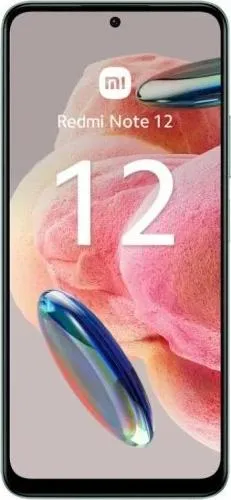
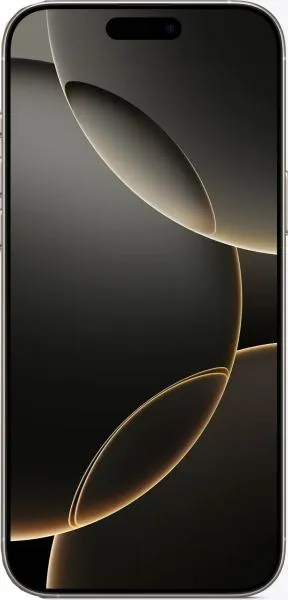
| Dimensions (mm) | 165.7 x 76 x 7.9 | 163 x 77.6 x 8.3 | iPhone 16 Pro Max is slightly shorter, wider, and thicker. Negligible difference in everyday use. |
| Weight (g) | 183.5 | 227 | iPhone 16 Pro Max is significantly heavier, potentially impacting one-handed use and pocket comfort. |
| Build | Not specified | Not specified | Build materials impact durability and premium feel. Lack of information limits comparison. |
| Display | |||
| Display Type | AMOLED, 120Hz | LTPO Super Retina XDR OLED, 120Hz | Both offer smooth scrolling and animations with 120Hz. LTPO allows for variable refresh rate, potentially saving battery on the iPhone. |
| Display Size (inches) | 6.67 | 6.9 | iPhone has a larger display, providing more immersive content consumption. |
| Resolution | 1080 x 2400 | 1320 x 2868 | iPhone has a sharper display with higher pixel density (460 ppi vs 395 ppi). |
| Peak Brightness (nits) | 1200 | 2000 | iPhone's display will be significantly brighter and more visible in direct sunlight. |
| HDR | No Dolby Vision | Dolby Vision | iPhone supports Dolby Vision for enhanced video quality with wider color gamut and dynamic range. |
| Performance | |||
| Chipset | Snapdragon 685 (6nm) | Apple A18 Pro (3nm) | A18 Pro is significantly more powerful, enabling faster app launches, smoother multitasking, and better gaming performance. |
| CPU | Octa-core (4x2.8 GHz Cortex-A73 & 4x1.9 GHz Cortex-A53) | Hexa-core (2x4.05 GHz + 4x2.42 GHz) | A18 Pro's architecture and higher clock speeds offer superior performance. |
| GPU | Adreno 610 | Apple GPU (6-core) | Apple's custom GPU offers significantly better graphics performance for gaming and demanding tasks. |
| RAM | 4/6/8GB | 8GB | Both offer sufficient RAM for most tasks, but 8GB provides more headroom for multitasking. |
| OS | Android 13 | iOS 18 | Different operating systems cater to different user preferences. |
| Camera | |||
| Rear Camera | 50MP Main, 8MP Wide, 2MP Macro | 48MP Main, 48MP Wide+Macro, 12MP Telephoto | iPhone offers a more versatile camera system with a dedicated telephoto lens. |
| Video Recording | 1080p@30fps | Up to 4K@120fps with HDR | iPhone offers superior video recording capabilities with higher resolution, frame rates, and HDR. |
| DXOMark Score | 63 | 157 | iPhone scores significantly higher, indicating superior overall camera quality. |
| Battery | |||
| Capacity (mAh) | 5000 | 4685 | Despite slightly lower capacity, iPhone's A18 Pro chip and LTPO display contribute to potentially comparable battery life. |
| Fast Charging | 33W | 25W | Redmi Note 12 charges faster, but actual charging times can vary. |
2. Key Differences Analysis
Xiaomi Redmi Note 12 4G Advantages:
- Lower Price: Significantly more affordable.
- Larger Battery: Potentially longer battery life, depending on usage.
- Faster Wired Charging: Quicker charging times.
- Expandable Storage: Likely supports microSD card (not explicitly stated but common in Redmi Note series), providing flexibility for storage expansion.
Apple iPhone 16 Pro Max Advantages:
- Significantly Higher Performance: Much faster CPU and GPU for demanding tasks and gaming.
- Superior Display: Brighter, sharper, and supports Dolby Vision.
- More Versatile Camera System: Telephoto lens, higher resolution sensors, better video recording capabilities.
- Premium Ecosystem: Seamless integration with other Apple devices and services.
- Longer Software Support: Generally receives OS updates for a longer period.
Trade-offs:
- Price: iPhone 16 Pro Max is considerably more expensive.
- Weight: iPhone 16 Pro Max is noticeably heavier.
3. User Profiles & Recommendations
Xiaomi Redmi Note 12 4G:
- Ideal User: Budget-conscious users who prioritize basic functionality, long battery life, and a large display.
- Use Cases: Everyday tasks like web browsing, social media, casual photography, and light gaming.
Apple iPhone 16 Pro Max:
- Ideal User: Users who demand top-tier performance, premium features, the best camera system, and seamless integration with the Apple ecosystem. Willing to pay a premium for quality.
- Use Cases: Demanding mobile gaming, professional photography and videography, content creation, multitasking, and heavy usage.
4. Decision Framework
Key Questions for Buyers:
- What is your budget? The price difference is substantial.
- What are your primary use cases? Basic tasks vs. demanding applications.
- Which operating system do you prefer? Android vs. iOS.
Scenario-Based Recommendations:
- Limited Budget, Basic Needs: Redmi Note 12 4G
- Demanding User, Premium Experience: iPhone 16 Pro Max
- Best Value: Redmi Note 12 4G offers good value for its price, but the iPhone 16 Pro Max justifies its premium with significantly better features and performance.
My Choice: Apple iPhone 16 Pro Max
While the Redmi Note 12 4G offers excellent value, I would choose the iPhone 16 Pro Max. The significantly superior performance, display quality, camera system, and the longer software support of the iPhone outweigh the price difference for me. I prioritize a smooth and powerful user experience, and the A18 Pro chip combined with the high-refresh-rate OLED display promises just that. The advanced camera system is also a major draw, allowing for capturing high-quality photos and videos. While the higher price is a factor, the longevity and overall quality of the iPhone make it a worthwhile investment in the long run. The heavier weight is a minor inconvenience I'm willing to accept for the overall package.
