1. Specifications Comparison
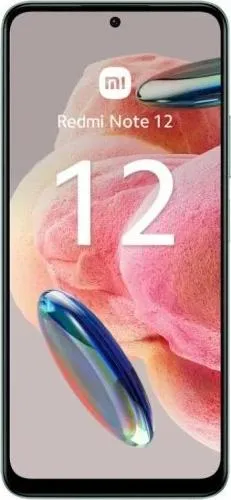
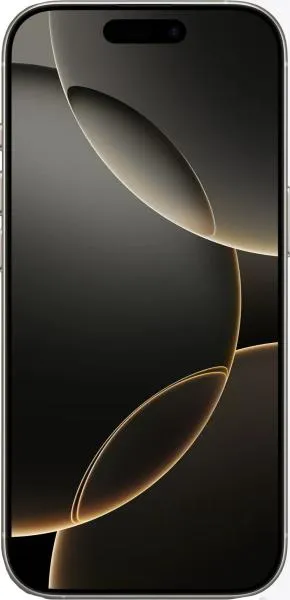
| Feature | Xiaomi Redmi Note 12 4G | Apple iPhone 16 Pro | Practical Impact |
|---|---|---|---|
| Design | |||
| Dimensions (mm) | 165.7 x 76 x 7.9 | 149.6 x 71.5 x 8.3 | iPhone 16 Pro is significantly smaller and more pocketable. |
| Weight (g) | 183.5 | 199 | Redmi Note 12 is lighter, but the difference is not substantial in daily use. |
| Build | Unspecified | Unspecified | Build quality cannot be compared without further information. |
| Display | |||
| Display Type | AMOLED, 120Hz | LTPO Super Retina XDR OLED, 120Hz | Both offer smooth scrolling and animations with 120Hz. iPhone's LTPO allows for dynamic refresh rate adjustment, saving battery. iPhone likely has better color accuracy and brightness with "Super Retina XDR". |
| Display Size (inches) | 6.67 | 6.3 | Redmi Note 12 has a larger screen for more immersive media consumption but might be less one-hand friendly. |
| Resolution | 1080 x 2400 | 1206 x 2622 | iPhone 16 Pro has a sharper display with higher pixel density (460 ppi vs 395 ppi). |
| Peak Brightness (nits) | 1200 | 2000 | iPhone 16 Pro offers significantly better visibility in bright sunlight. |
| HDR | No Dolby Vision | Dolby Vision | iPhone 16 Pro supports Dolby Vision for superior HDR content viewing experience. |
| Performance | |||
| Chipset | Snapdragon 685 (6nm) | Apple A18 Pro (3nm) | A18 Pro is significantly more powerful, enabling smoother multitasking, faster app loading, and better gaming performance. |
| CPU | Octa-core (4x2.8 GHz Cortex-A73 & 4x1.9 GHz Cortex-A53) | Hexa-core (2x4.05 GHz + 4x2.42 GHz) | A18 Pro offers superior CPU performance due to its architecture and higher clock speeds. |
| GPU | Adreno 610 | Apple GPU (6-core) | Apple's custom GPU expected to outperform Adreno 610 significantly in graphics-intensive tasks. |
| RAM | 4GB/6GB/8GB | 8GB | iPhone 16 Pro having 8GB as a baseline should provide smoother multitasking and better performance with memory-intensive applications. |
| Camera | |||
| Main Camera | 50MP | 48MP | Megapixel count isn't everything. iPhone's larger sensor (1/1.3" vs 1/2.76"), wider aperture (f/1.78 vs f/1.8) and advanced image processing likely result in better image quality, especially in low light. |
| Ultrawide | 8MP | 48MP | iPhone's ultrawide drastically outperforms Redmi's in resolution and likely overall quality. |
| Telephoto | None | 12MP | iPhone offers optical zoom capability, absent in the Redmi Note 12. |
| Video | 1080p@30fps | Up to 4K@120fps with HDR | iPhone offers significantly superior video recording capabilities with higher resolution, frame rates, and HDR. |
| Battery | |||
| Capacity (mAh) | 5000 | 3582 | Redmi Note 12 has a much larger battery capacity, potentially lasting longer on a single charge. |
| Fast Charging | 33W | 25W Wired, 25W Wireless | Redmi Note 12 has faster wired charging. iPhone offers wireless charging. |
2. Key Differences Analysis
Xiaomi Redmi Note 12 4G Advantages:
- Larger Battery: Significantly longer battery life.
- Lower Price: Offers a budget-friendly option.
- Larger Display: More immersive media consumption.
Apple iPhone 16 Pro Advantages:
- Significantly Higher Performance: Smoother experience in all tasks, including demanding games.
- Superior Camera System: Better image and video quality, optical zoom, and advanced features.
- Premium Display: Brighter, sharper, and supports Dolby Vision.
- Faster and more versatile USB connectivity: USB 3.2 Gen 2 with DisplayPort for faster data transfer and video output.
3. User Profiles & Recommendations
Xiaomi Redmi Note 12 4G: Best for budget-conscious users who prioritize battery life and a large display for media consumption. Suitable for casual gaming, social media, and web browsing.
Apple iPhone 16 Pro: Best for users who demand top-tier performance, a premium camera system, and the latest technology. Ideal for power users, gamers, content creators, and anyone who values a seamless and polished user experience.
4. Decision Framework
Key Questions:
- What is your budget? The Redmi Note 12 is significantly cheaper.
- What are your primary use cases? Gaming, photography/videography, or basic everyday tasks?
- How important is long battery life? The Redmi Note 12 excels in this area.
My Choice: Apple iPhone 16 Pro
While the Redmi Note 12 4G provides excellent value for its price, I would choose the iPhone 16 Pro. The significantly improved performance, superior camera system, and premium display are crucial for my needs. Although the battery capacity is smaller, Apple's optimized software and the A18 Pro's efficiency likely minimize this difference in real-world usage. The higher price is justified by the significant leap in overall quality and user experience. As a tech enthusiast, I value the cutting-edge technology and seamless performance offered by the iPhone 16 Pro. While battery life is important, I prioritize overall performance and user experience.
