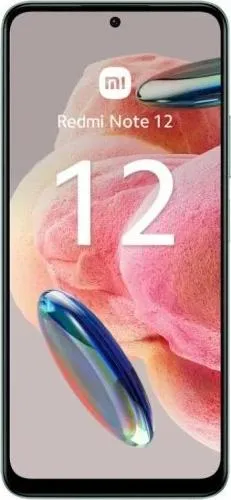
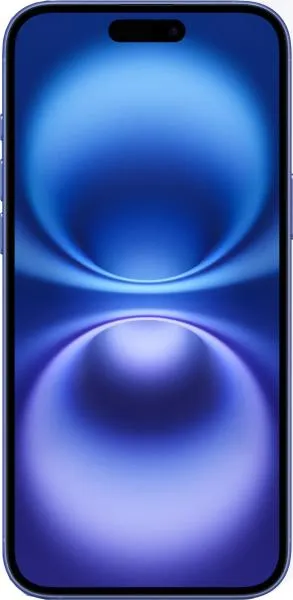
1. Specifications Comparison
| Feature | Xiaomi Redmi Note 12 4G | Apple iPhone 16 Plus | Practical Impact |
|---|---|---|---|
| Design | |||
| Dimensions (mm) | 165.7 x 76 x 7.9 | 160.9 x 77.8 x 7.8 | iPhone 16 Plus is slightly shorter, wider, and heavier. Negligible difference in daily use. |
| Weight (g) | 183.5 | 199 | Redmi is noticeably lighter, reducing hand fatigue during extended use. |
| Build Material | Not specified | Not specified | Cannot compare build quality and durability without material information. |
| Display | |||
| Display Type | AMOLED | OLED | Both offer excellent contrast and vibrant colors. |
| Display Size (inches) | 6.67 | 6.7 | Virtually identical screen real estate. |
| Resolution | 1080 x 2400 | 1290 x 2796 | iPhone has a sharper display with higher pixel density (460 ppi vs 395 ppi), resulting in crisper text and images. |
| Refresh Rate | 120Hz | Not specified | 120Hz on Redmi provides smoother scrolling and animations. Unknown refresh rate on iPhone limits comparison but likely lower than 120Hz. |
| Peak Brightness | 1200 nits | 2000 nits | iPhone's significantly higher peak brightness ensures better visibility in direct sunlight. |
| HDR Support | No Dolby Vision | Dolby Vision | iPhone supports Dolby Vision for enhanced video playback with wider dynamic range and richer colors. |
| Performance | |||
| Chipset | Snapdragon 685 (6nm) | Apple A18 (3nm) | A18 is significantly more powerful, enabling faster app loading, smoother multitasking, and superior gaming performance. |
| CPU | Octa-core (4x2.8 GHz Cortex-A73 & 4x1.9 GHz Cortex-A53) | Hexa-core (2x4.04 GHz + 4x2.20 GHz) | A18's architecture and higher clock speeds deliver a substantial performance advantage. |
| GPU | Adreno 610 | Apple GPU (5-core) | Apple's custom GPU offers significantly better graphics performance for demanding games and applications. |
| RAM | 4GB/6GB/8GB | 8GB | iPhone offers more RAM for smoother multitasking and better performance under heavy load. |
| Camera | |||
| Rear Cameras | 50MP Main, 8MP Wide, 2MP Macro | 48MP Main, 12MP Wide+Macro | While Redmi boasts a higher megapixel count on the main sensor, iPhone's sensor size and processing likely result in better overall image quality. iPhone also offers macro capability on its ultrawide lens, providing more versatility. |
| Front Camera | 13MP | 12MP | Megapixel count is similar; practical difference likely depends on image processing. |
| Video Recording | 1080p@30fps | Up to 4K@60fps with HDR | iPhone offers superior video recording capabilities with higher resolution, frame rates, and HDR support. |
| Battery | |||
| Capacity | 5000 mAh | 4674 mAh | Redmi has a larger battery capacity, potentially offering longer battery life. However, real-world usage depends on software optimization and usage patterns. |
| Fast Charging | 33W | 25W wired, 25W wireless | While Redmi offers faster wired charging, iPhone supports faster wireless charging. |
2. Key Differences Analysis
Xiaomi Redmi Note 12 4G Advantages:
- Lower Price: Significantly more affordable.
- Larger Battery: Potentially longer battery life.
- Lighter Weight: More comfortable for extended use.
- Higher Refresh Rate Display: Smoother scrolling and animations.
Apple iPhone 16 Plus Advantages:
- Significantly Higher Performance: Much faster and smoother overall experience.
- Superior Camera System: Likely better image and video quality, more versatile lens setup.
- Sharper Display: Higher resolution and pixel density.
- Brighter Display: Better visibility in sunlight.
- Premium Features: Dolby Vision, Face ID, wider software support lifecycle.
- Faster Wireless Charging: More convenient charging option.
Trade-offs:
- Redmi sacrifices performance and premium features for affordability.
- iPhone compromises on battery capacity and wired charging speed for overall performance and premium features.
3. User Profiles & Recommendations
Redmi Note 12 4G: Budget-conscious users prioritizing battery life, large screen size, and smooth display for everyday tasks like browsing, social media, and casual gaming.
iPhone 16 Plus: Users prioritizing performance, camera quality, premium features, and a long software update cycle. Ideal for demanding tasks, mobile gaming, content creation, and users heavily invested in the Apple ecosystem.
4. Decision Framework
Key Questions for Buyers:
- What is your budget? The Redmi offers excellent value for its price, while the iPhone commands a premium.
- What are your primary smartphone usage patterns? Casual use vs. demanding tasks, gaming, content creation.
- Which operating system and ecosystem do you prefer? Android vs. iOS.
My Choice: Apple iPhone 16 Plus
While the Redmi Note 12 4G offers excellent value, the iPhone 16 Plus's superior performance, camera system, brighter and sharper display, and long software support make it a more compelling choice for me. The A18 chip's significant performance advantage ensures a smooth and future-proof experience. The enhanced camera system and display are crucial for my photography and content consumption needs. Although the Redmi has a larger battery, Apple's optimization often results in comparable real-world battery life. The price difference is significant, but I prioritize long-term performance and user experience over initial cost savings. The ecosystem and longer software support offered by Apple are also significant factors in my decision.
