1. Specifications Comparison
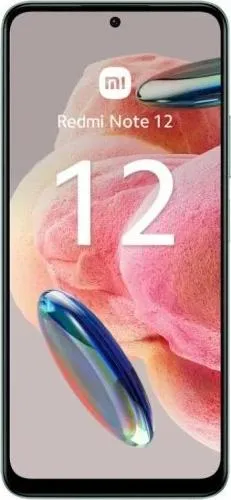
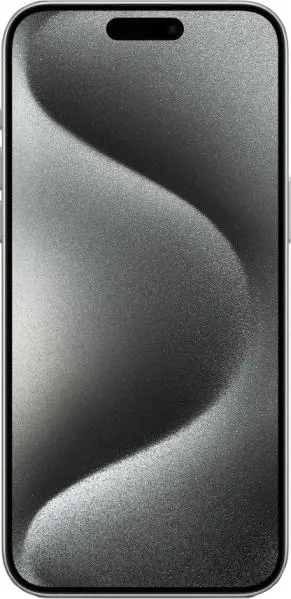
| Feature | Xiaomi Redmi Note 12 4G | Apple iPhone 15 Pro Max | Practical Impact |
|---|---|---|---|
| Design | |||
| Dimensions (mm) | 165.7 x 76 x 7.9 | 159.9 x 76.7 x 8.3 | iPhone 15 Pro Max is slightly shorter, wider, and thicker but noticeably heavier. Redmi Note 12 is more pocketable due to lighter weight and slimmer profile. |
| Weight (g) | 183.5 | 221 | Significant weight difference; Redmi offers better one-handed usability and portability. |
| Build Material | Unspecified | Titanium frame, glass back | iPhone's titanium frame offers superior durability and premium feel, but information on Redmi's build is missing. |
| Display | |||
| Display Type | AMOLED | LTPO Super Retina XDR OLED | Both offer excellent contrast and deep blacks. iPhone's LTPO allows for dynamic refresh rate adjustment (1-120Hz), saving battery. |
| Display Size (inches) | 6.67 | 6.7 | Negligible size difference. |
| Resolution (pixels) | 1080 x 2400 | 1290 x 2796 | iPhone has a sharper display with higher pixel density, resulting in clearer text and images. |
| Refresh Rate (Hz) | 120 | 120 (adaptive) | Both offer smooth scrolling and animations. iPhone's adaptive refresh rate optimizes battery life. |
| Peak Brightness (nits) | 1200 | 2000 | iPhone's significantly higher peak brightness ensures better visibility in direct sunlight. |
| Performance | |||
| Chipset | Snapdragon 685 (6nm) | Apple A17 Pro (3nm) | A17 Pro is significantly more powerful, offering much faster performance in demanding tasks and gaming. |
| CPU | Octa-core (4x2.8 GHz Cortex-A73 & 4x1.9 GHz Cortex-A53) | Hexa-core (2x3.78 GHz + 4x2.11 GHz) | A17 Pro's architecture and higher clock speeds deliver superior processing power. |
| GPU | Adreno 610 | Apple GPU (6-core) | Apple's custom GPU provides a substantial performance advantage for gaming and graphics-intensive tasks. |
| RAM | 4/6/8GB | 8GB | iPhone offers more RAM, enabling better multitasking and app performance. |
| Camera | |||
| Main Camera (MP) | 50 | 48 | Megapixel count isn't everything; iPhone's larger sensor and advanced image processing likely result in superior image quality. |
| DxOMark Score | 63 | 154 | iPhone significantly outperforms Redmi in overall camera quality according to DxOMark. |
| Video Recording | 1080p@30fps | Up to 4K@60fps with HDR, Dolby Vision | iPhone offers significantly higher resolution and frame rate video recording with HDR and Dolby Vision. |
| Battery | |||
| Capacity (mAh) | 5000 | 4441 | Redmi has a larger battery capacity, potentially offering longer battery life. However, real-world usage depends on optimization. |
| Fast Charging | 33W | 27W (wired), 15W MagSafe | Redmi offers faster wired charging, although practical difference might be minimal. iPhone supports MagSafe wireless charging. |
2. Key Differences Analysis
Xiaomi Redmi Note 12 4G Advantages:
- Lower Price: Significantly more affordable.
- Lighter and Slimmer: More comfortable for one-handed use and portability.
- Larger Battery Capacity: Potential for longer battery life.
- Faster Wired Charging: Quicker charging times.
Apple iPhone 15 Pro Max Advantages:
- Significantly More Powerful: Superior performance for demanding tasks, gaming, and future-proofing.
- Superior Display: Higher resolution, brighter, and more power-efficient due to LTPO technology.
- Much Better Camera System: Higher quality photos and videos, more advanced features.
- Premium Build Quality: Durable titanium frame and refined design.
- Advanced Software and Ecosystem: iOS known for its smooth performance, security, and app ecosystem.
Trade-offs:
- Price: iPhone 15 Pro Max commands a significantly higher price.
- Weight and Size: iPhone is heavier and thicker, potentially less comfortable for some users.
3. User Profiles & Recommendations
Xiaomi Redmi Note 12 4G:
- Budget-conscious users: Prioritize affordability over top-tier performance.
- Casual users: Primarily use phone for basic tasks like calling, texting, social media, and light web browsing.
- Users prioritizing battery life: Larger battery capacity potentially offers longer usage time.
Apple iPhone 15 Pro Max:
- Power users: Demand top-tier performance for gaming, demanding apps, and multitasking.
- Content creators: Require high-quality cameras for photos and videos.
- Users prioritizing a premium experience: Value build quality, software smoothness, and a robust app ecosystem.
4. Decision Framework
Key Questions for Buyers:
- What is your budget? The price difference is substantial.
- What are your primary phone usage patterns? (e.g., gaming, photography, social media)
- How much do you value performance, camera quality, and software experience?
Scenario-Based Recommendations:
- Limited Budget, Basic Usage: Redmi Note 12 4G
- Demanding Tasks, Gaming, Photography: iPhone 15 Pro Max
- Balance of Price and Performance: Consider other options in the mid-range segment.
My Choice: Apple iPhone 15 Pro Max
While the Redmi Note 12 4G offers excellent value for its price, the iPhone 15 Pro Max's superior performance, camera system, display, and overall user experience are the deciding factors for me. I prioritize a smooth, powerful, and future-proof device, and the A17 Pro chip, along with the excellent camera and display, justify the higher price. The longer software support from Apple is also a crucial factor. Although heavier, the premium build and materials of the iPhone are worth the trade-off. The Redmi is a good option for budget-conscious buyers, but for my needs, the iPhone 15 Pro Max is the clear winner.
