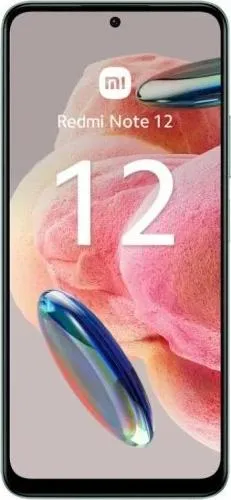
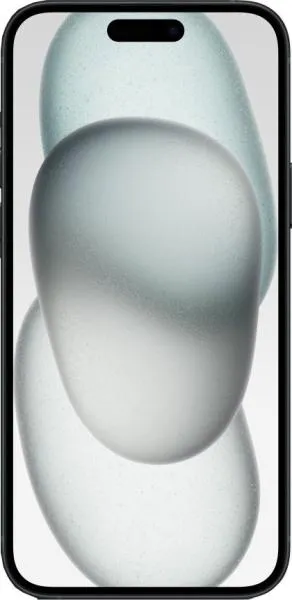
1. Specifications Comparison
| Feature | Xiaomi Redmi Note 12 4G | Apple iPhone 15 Plus | Practical Impact |
|---|---|---|---|
| Design | |||
| Dimensions (mm) | 165.7 x 76 x 7.9 | 160.9 x 77.8 x 7.8 | iPhone 15 Plus is slightly shorter and wider, but negligibly thinner. Real-world difference in size and handling would be minimal. |
| Weight (g) | 183.5 | 201 | Redmi Note 12 is noticeably lighter, potentially reducing hand fatigue during extended use. |
| Build | Not specified | Glass front/back, aluminum frame | iPhone's premium materials likely offer better durability and a more premium feel. Lack of specifics on Redmi's build limits a full comparison. |
| Display | |||
| Display Type | AMOLED | Super Retina XDR OLED | Both offer vibrant colors and deep blacks. "Super Retina XDR" suggests potential enhancements in brightness and dynamic range on the iPhone. |
| Display Size (inches) | 6.67 | 6.7 | Virtually identical screen sizes provide a similar viewing experience. |
| Resolution | 1080 x 2400 | 1290 x 2796 | iPhone has a sharper display with higher pixel density (460 ppi vs 395 ppi), resulting in crisper text and images. |
| Refresh Rate | 120Hz | Not Specified | 120Hz on Redmi provides smoother scrolling and animations. Lack of refresh rate data for the iPhone makes direct comparison impossible. |
| Peak Brightness | 1200 nits | 2000 nits | iPhone's significantly higher peak brightness ensures better visibility in direct sunlight. |
| HDR | No Dolby Vision | Dolby Vision | iPhone supports Dolby Vision for enhanced video playback with wider color gamut and dynamic range. |
| Performance | |||
| Chipset | Snapdragon 685 (6nm) | A16 Bionic (4nm) | A16 Bionic is significantly more powerful, enabling smoother multitasking, faster app loading, and better gaming performance. 4nm process also implies better power efficiency. |
| CPU | Octa-core (4x2.8 GHz Cortex-A73 & 4x1.9 GHz Cortex-A53) | Hexa-core (2x3.46 GHz Everest + 4x2.02 GHz Sawtooth) | A16's architecture and higher clock speeds translate to a considerable performance advantage for the iPhone. |
| GPU | Adreno 610 | Apple GPU (5-core graphics) | Apple's custom GPU is expected to provide substantially better graphics performance for gaming and demanding visual tasks. |
| RAM | 4GB/6GB/8GB | 6GB | While both offer ample RAM for general use, some demanding tasks might benefit from the iPhone's consistently 6GB. Multiple RAM options on the Redmi cater to varying budget and performance needs. |
| Camera | |||
| Main Camera | 50MP | 48MP | Megapixel count is similar; image quality will depend more on sensor size, processing, and aperture. iPhone's larger sensor (1/1.5" vs 1/2.76") likely captures more light, resulting in better low-light performance. |
| Video Recording | 1080p@30fps | Up to 4K@60fps with HDR | iPhone offers significantly better video recording capabilities with higher resolution, frame rates, and HDR support. |
| DXOMARK Score | 63 | 145 | iPhone scores significantly higher in DXOMARK benchmarks, indicating superior overall camera performance. |
| Battery | |||
| Capacity | 5000mAh | 4383mAh | Redmi has a larger battery capacity, potentially offering longer battery life. However, real-world usage depends on software optimization and chip efficiency. |
| Fast Charging | 33W | 20W | Redmi supports faster wired charging, allowing for quicker top-ups. |
2. Key Differences Analysis
Xiaomi Redmi Note 12 4G Advantages:
- Lower Price: Significantly more affordable.
- Larger Battery: Potentially longer battery life.
- Faster Charging: Quicker charging times.
- Higher Refresh Rate Display: Smoother scrolling and animations (assuming iPhone is 60Hz).
- Expandable Storage: Offers microSD card slot (not explicitly stated, but common in Redmi series).
Apple iPhone 15 Plus Advantages:
- Significantly Higher Performance: A16 Bionic chip offers a vastly superior processing experience.
- Premium Build Quality: More durable and premium materials.
- Sharper Display: Higher resolution and pixel density.
- Much Brighter Display: Enhanced outdoor visibility.
- Superior Camera System: Better image quality, especially in low light, and far superior video recording.
- Longer Software Support: iOS typically receives updates for a longer period.
- Dolby Vision: Supports HDR video playback for a better visual experience.
3. User Profiles & Recommendations
Xiaomi Redmi Note 12 4G: Budget-conscious users prioritizing battery life and a smooth display for everyday tasks like web browsing, social media, and casual gaming.
Apple iPhone 15 Plus: Users who demand top-tier performance, a premium experience, a superb camera system, extended software support, and are willing to pay a premium.
4. Decision Framework
Key Questions for Buyers:
- What is your budget? The Redmi offers excellent value for its price, while the iPhone is a premium device.
- What are your performance needs? For demanding tasks and gaming, the iPhone is far superior.
- How important is camera quality? The iPhone boasts a significantly better camera system.
My Choice: Apple iPhone 15 Plus
While the Redmi Note 12 4G offers excellent value, the iPhone 15 Plus's superior performance, camera system, premium build, brighter display, and long-term software support make it the better choice for me. I prioritize a smooth, lag-free experience, high-quality photos and videos, and the assurance of software updates for years to come. I am willing to invest in a device that will provide a consistently excellent experience over an extended period. The significantly improved camera, especially regarding low-light performance and video capabilities, is a major deciding factor. While battery life is important, the performance and ecosystem advantages of the iPhone outweigh the Redmi's larger battery for my usage.
