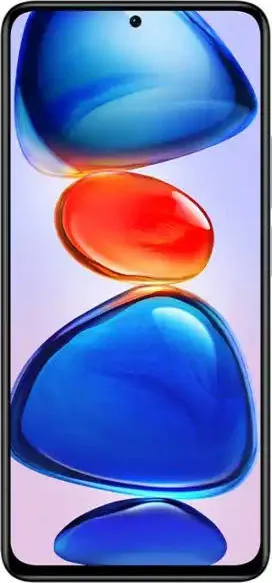
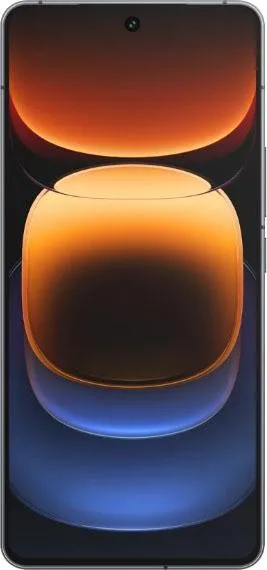
Xiaomi Redmi Note 11 Pro vs. vivo iQOO 12: A Deep Dive
Let's dissect the Redmi Note 11 Pro and the iQOO 12, translating their spec sheets into real-world experiences.
1. Specifications Breakdown
| Feature | Xiaomi Redmi Note 11 Pro | vivo iQOO 12 | Real-World Implications |
|---|---|---|---|
| Design | |||
| Dimensions | 164.2 x 76.1 x 8.1 mm, 202g | 163.2 x 75.9 x 8.1 mm, 198.5g | Virtually identical in size and weight; comfortable for one-handed use but potentially bulky for some. |
| Build Quality | Gorilla Glass 5 | Unknown | Redmi Note 11 Pro offers better scratch resistance. |
| Display | |||
| Size | 6.67" | 6.78" | iQOO 12 offers slightly more screen real estate for media consumption. |
| Resolution | 1080x2400 (395 PPI) | 1260x2800 (453 PPI) | Noticeably sharper and more detailed visuals on the iQOO 12. |
| Refresh Rate | 120Hz | 144Hz | Smoother animations and scrolling on the iQOO 12, especially noticeable in gaming. |
| Brightness | 1200 nits | 3000 nits | iQOO 12's dramatically higher brightness ensures excellent outdoor visibility, even in direct sunlight. |
| Performance | |||
| Chipset | Mediatek Helio G96 | Snapdragon 8 Gen 3 | Massive performance difference. The Snapdragon 8 Gen 3 in the iQOO 12 delivers flagship-level speed and responsiveness for demanding tasks and gaming. |
| RAM | 6GB/8GB | 12GB/16GB | iQOO 12 handles multitasking and demanding apps with significantly greater ease. |
| Storage | 64GB/128GB/256GB | 256GB/512GB/1024GB | iQOO 12 offers substantially more storage for apps, photos, and videos. |
| Camera | |||
| Main Camera | 108MP, f/1.9 | 50MP, f/1.69, OIS | While the Redmi Note 11 Pro boasts higher resolution, the iQOO 12 likely produces better low-light photos and more stable videos thanks to its wider aperture and optical image stabilization. |
| Video | 1080p@30fps | 8K@30fps | iQOO 12 allows for significantly higher resolution video recording. |
| Battery Life | |||
| Capacity | 5000mAh | 5000mAh | Similar battery capacity suggests comparable endurance. |
| Charging | 67W | 120W | iQOO 12 charges significantly faster, minimizing downtime. |
2. Key Insights
The vivo iQOO 12 is a clear winner in terms of raw performance, display quality, and charging speed. Its Snapdragon 8 Gen 3 chipset, coupled with ample RAM and a stunning 144Hz AMOLED display, delivers a premium user experience. The incredibly bright display ensures comfortable outdoor use.
The Redmi Note 11 Pro, while not as powerful, offers a respectable 108MP main camera and a more robust build with Gorilla Glass 5. It caters to users prioritizing affordability and decent camera capabilities.
3. User Profiles and Recommendations
iQOO 12: Ideal for power users, gamers, and anyone who demands top-tier performance, a brilliant display, and blazing-fast charging.
Redmi Note 11 Pro: Suited for budget-conscious users, casual photographers, and those who prioritize a durable build and decent overall performance for everyday tasks.
4. Buying Decision Framework
- What is your budget? The Redmi Note 11 Pro is significantly more affordable.
- What are your performance needs? For demanding tasks and gaming, the iQOO 12 is a must.
- What features are most important to you? Prioritize the iQOO 12 for a stunning display and fast charging; choose the Redmi Note 11 Pro if durability and a high-resolution main camera are paramount.
My Choice: vivo iQOO 12
If I were choosing between these two, I'd go for the vivo iQOO 12. While the Redmi Note 11 Pro offers good value, the iQOO 12's superior performance, breathtaking display, and incredibly fast charging are compelling. As someone who values a smooth and responsive user experience, the Snapdragon 8 Gen 3 and 144Hz display are game-changers. The future-proofing offered by the iQOO 12's cutting-edge technology outweighs the price difference for me. I'd happily invest in a device that can handle demanding tasks and remain relevant for years to come. The leap in performance and display quality significantly enhances daily usage, making the iQOO 12 a more compelling choice in the long run.
