
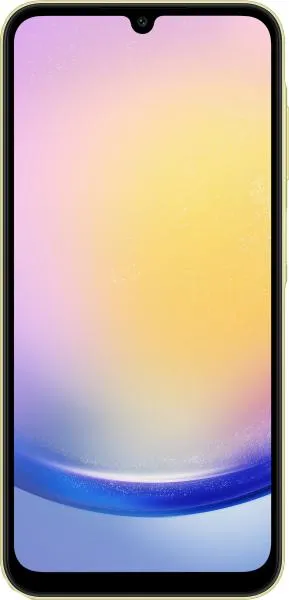
Xiaomi Redmi Note 11 Pro vs. Samsung Galaxy A15: A Deep Dive
Let's dissect the Redmi Note 11 Pro and Galaxy A15, going beyond the spec sheet to understand what these phones offer in the real world.
1. Specifications Breakdown
| Feature | Xiaomi Redmi Note 11 Pro | Samsung Galaxy A15 | Real-World Implications |
|---|---|---|---|
| Design | |||
| Dimensions | 164.2 x 76.1 x 8.1 mm | 160.1 x 76.8 x 8.4mm | Redmi is slightly taller and thinner, but both feel similar in hand. |
| Weight | 202g | 200g | Negligible difference in weight. |
| Build | Gorilla Glass 5 | Unknown | Redmi offers better screen protection against scratches and drops. |
| Display | |||
| Size | 6.67" | 6.5" | Redmi offers a slightly larger screen for more immersive media consumption. |
| Resolution | 1080 x 2400 | 1080 x 2340 | Virtually identical sharpness; you won't notice the difference in daily use. |
| Refresh Rate | 120Hz | 90Hz | Redmi's 120Hz display provides smoother scrolling and animations, noticeable in games and UI interactions. |
| Brightness | 1200 nits | 800 nits | Redmi's significantly higher brightness ensures excellent outdoor visibility. |
| Performance | |||
| Chipset | Helio G96 (12nm) | Helio G99 (6nm) | A15's 6nm process offers better power efficiency and slightly improved performance. |
| Antutu | 405,259 | 442,500 | A15 boasts a slight edge in benchmark scores, translating to smoother multitasking. |
| GPU | Mali-G57 MC2 | Mali-G57 MC2 | Similar GPU performance, but A15's more efficient chip might offer sustained performance in gaming. |
| Camera | |||
| Main | 108MP, f/1.9 | 50MP, f/1.8 | Redmi boasts higher resolution for detailed shots; A15 has a slightly wider aperture for better low light. |
| Selfie | 16MP, f/2.4 | 13MP, f/2.0 | Redmi has higher resolution, A15 has a wider aperture. Differences will be minor in good lighting conditions. |
| Video | 1080p@30fps | 1080p@30fps | Comparable video recording capabilities. |
| Battery Life | |||
| Capacity | 5000 mAh | 5000 mAh | Similar battery capacities suggest comparable endurance. |
| Charging | 67W | 25W | Redmi charges significantly faster, minimizing downtime. |
2. Key Insights
The Redmi Note 11 Pro excels in display quality with its higher refresh rate and brightness. It also offers incredibly fast charging and a higher resolution main camera sensor. The Galaxy A15, however, benefits from a more power-efficient processor and newer Android OS, promising better longevity and software updates.
3. User Profiles and Recommendations
Redmi Note 11 Pro: Ideal for users who prioritize a vibrant display, fast charging, and a high-resolution camera. Gamers and heavy media consumers will appreciate the 120Hz display.
Galaxy A15: Best suited for users who value battery life, software updates, and overall system stability. The slightly improved performance over the Redmi will be noticeable in day-to-day tasks.
4. Buying Decision Framework
- Is a vibrant display and fast charging crucial? If yes, the Redmi Note 11 Pro is the better choice.
- Do you prioritize long-term software updates and energy efficiency? If so, the Galaxy A15 is a stronger contender.
- What's your budget? Considering the features, the Redmi Note 11 Pro usually offers better value if priced similarly.
My Choice: The Xiaomi Redmi Note 11 Pro
While the Galaxy A15 offers a newer chipset and OS, the Redmi Note 11 Pro's superior display (120Hz, 1200 nits), significantly faster charging (67W), and higher-resolution main camera sensor are compelling advantages for me. The real-world benefits of these features—smoother scrolling, vibrant outdoor visibility, minimal charging time, and detailed photos—outweigh the slight performance edge and longer software support of the A15. I prioritize a visually engaging and responsive experience, and the Redmi Note 11 Pro delivers on that front.
