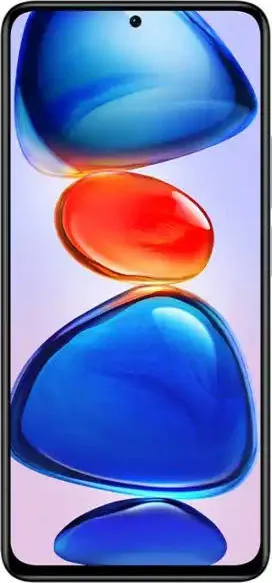
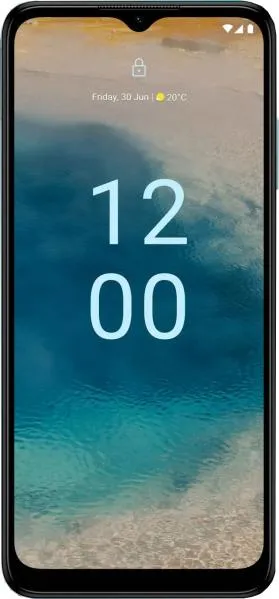
Xiaomi Redmi Note 11 Pro vs. Nokia G22: A Deep Dive
Let's dissect the Xiaomi Redmi Note 11 Pro and the Nokia G22, translating their spec sheets into real-world experiences.
1. Specifications Breakdown
| Feature | Xiaomi Redmi Note 11 Pro | Nokia G22 | Real-World Implications |
|---|---|---|---|
| Design | |||
| Dimensions | 164.2 x 76.1 x 8.1 mm, 202g | 165 x 76.2 x 8.5 mm, 196.2g | Redmi slightly smaller, Nokia marginally lighter. Negligible difference in hand. |
| Build | Gorilla Glass 5 | Gorilla Glass 3 | Redmi offers better screen scratch resistance. |
| Display | |||
| Size | 6.67" | 6.5" | Redmi offers a slightly larger viewing area. |
| Resolution | 1080x2400 (AMOLED) | 720x1600 (IPS LCD) | Redmi boasts significantly sharper visuals and richer colors, deeper blacks due to AMOLED. |
| Refresh Rate | 120Hz | 90Hz | Redmi provides smoother scrolling and animations. |
| Brightness | 1200 nits | Unspecified | Redmi excels in outdoor readability; Nokia's unspecified brightness is a concern. |
| Performance | |||
| Chipset | Helio G96 | Unisoc T606 | Redmi significantly outperforms in processing power, impacting app loading, multitasking, and gaming. |
| RAM | 6GB/8GB | 4GB/6GB | Redmi offers better multitasking capability, especially the 8GB variant. |
| Storage | 64GB/128GB/256GB | 64GB/128GB/256GB | Comparable storage options. |
| Camera | |||
| Main Camera | 108MP, f/1.9 | 50MP, f/1.8 | Redmi offers higher resolution for detailed shots; Nokia might perform better in low light due to wider aperture, but real-world performance depends on processing. |
| Selfie Camera | 16MP | 8MP | Redmi provides higher resolution selfies. |
| Video | 1080p@30fps | 1080p@30fps | Similar video recording capabilities. Redmi boasts 120fps slow-mo, while Nokia only offers standard 30fps. |
| Battery Life | |||
| Capacity | 5000mAh | 5050mAh | Negligibly different battery capacities suggest similar runtime. |
| Charging | 67W Fast Charging | 20W Fast Charging | Redmi charges significantly faster. |
2. Key Insights
The Redmi Note 11 Pro clearly leads in display quality, performance, and charging speed. Its AMOLED screen, higher resolution, and 120Hz refresh rate provide a vastly superior visual experience. The Helio G96 chipset and more RAM ensure smoother performance. The 67W fast charging is a significant advantage for users who value quick top-ups.
The Nokia G22 focuses on repairability and longevity, featuring a user-replaceable battery and readily available parts. However, it lags behind in core areas like display, performance, and camera technology. While its main camera boasts a wider aperture, the smaller sensor size and lack of specific low-light enhancements raise questions about its real-world performance compared to the Redmi.
3. User Profiles and Recommendations
Redmi Note 11 Pro: Suited for users who prioritize performance, a vibrant display, fast charging, and a feature-rich camera. Ideal for gamers, multimedia consumers, and those who demand a smooth and responsive user experience.
Nokia G22: Best for budget-conscious users who value repairability and software updates. A good choice for those who prioritize simple functionality and long-term device ownership over cutting-edge performance or camera capabilities. It's a practical phone, not a powerhouse.
4. Buying Decision Framework
- What is your budget and what are your performance expectations? The Redmi Note 11 Pro offers significantly better performance but may come at a slightly higher price.
- How important is display quality and camera performance to you? The Redmi’s AMOLED display and versatile camera system are major advantages if these aspects are crucial.
- Do you prioritize repairability and long-term software support? The Nokia G22's focus on repairability and promised software updates might appeal to users concerned about device longevity and environmental impact.
My Choice: I would choose the Redmi Note 11 Pro. As a tech enthusiast, I value a smooth and responsive user experience, a vibrant display, and fast charging. The Redmi's superior performance, AMOLED screen with 120Hz, and significantly faster charging outweigh the Nokia's repairability advantages for my personal needs. The difference in display quality alone is a major deciding factor. While repairability is admirable, the day-to-day user experience offered by the Redmi is simply more compelling. I am comfortable with exploring third-party repair options if needed, prioritizing the superior technology and user experience the Redmi provides.
