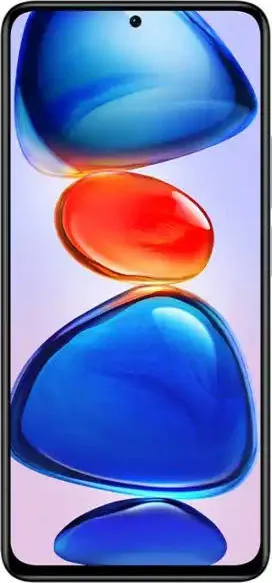
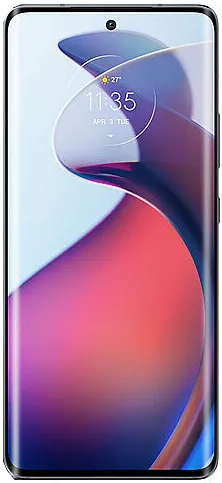
Xiaomi Redmi Note 11 Pro vs. Motorola Edge 30 Fusion: A Deep Dive
Let's dissect the Redmi Note 11 Pro and the Edge 30 Fusion, two compelling mid-range contenders, and see which one comes out on top. I'll break down the specs, translate them into real-world experiences, and help you figure out which phone fits your needs.
1. Specifications Breakdown
| Feature | Xiaomi Redmi Note 11 Pro | Motorola Edge 30 Fusion | Real-World Implications | Category |
|---|---|---|---|---|
| Dimensions | 164.2 x 76.1 x 8.1 mm, 202g | 158.5 x 72 x 7.5 mm, 168g | Edge 30 Fusion is noticeably more compact and lighter, improving one-handed use. | Design |
| Display | 6.67" AMOLED, 120Hz | 6.55" P-OLED, 144Hz | Edge 30 Fusion boasts slightly smoother scrolling and animations; Redmi Note 11 Pro might be slightly brighter outdoors. | Display |
| Chipset | Helio G96 | Snapdragon 888+ 5G | Edge 30 Fusion offers significantly faster performance in apps and games. | Performance |
| RAM | 6GB/8GB | 8GB/12GB | Edge 30 Fusion handles multitasking and demanding apps with greater ease. | Performance |
| Battery | 5000mAh, 67W | 4400mAh, 68W | Redmi Note 11 Pro likely lasts longer on a single charge; both charge incredibly fast. | Battery |
| Main Camera | 108MP, f/1.9 | 50MP, f/1.8 | Redmi Note 11 Pro offers higher resolution for detailed shots; Edge 30 Fusion might perform better in low light due to a slightly wider aperture and superior processing. | Camera |
| Selfie Camera | 16MP | 32MP | Edge 30 Fusion captures higher-resolution selfies. | Camera |
| Software | Android 11 | Android 12 (upgradable to 13) | Edge 30 Fusion benefits from newer OS features and longer software support. | Software |
2. Key Insights
- Performance: The Snapdragon 888+ in the Edge 30 Fusion blows the Helio G96 out of the water. Expect significantly faster app loading, smoother gaming, and effortless multitasking on the Edge.
- Display: While both displays are excellent, the Edge 30 Fusion's 144Hz refresh rate provides a slight edge in fluidity. However, the Redmi Note 11 Pro might be easier to see outdoors thanks to its brighter display.
- Battery Life: The Redmi Note 11 Pro's larger battery capacity likely translates to longer endurance, while the Edge 30 Fusion compensates with slightly faster charging.
- Camera: The megapixel count might tempt you towards the Redmi Note 11 Pro, but real-world camera performance often depends more on processing. The Edge 30 Fusion, with its more advanced chipset and potentially better image processing algorithms, might produce superior images overall, especially in challenging lighting conditions. The Edge 30 Fusion also boasts 8K video recording, a feature absent in the Redmi Note 11 Pro.
3. User Profiles and Recommendations
- Redmi Note 11 Pro: Best for budget-conscious users prioritizing battery life and a large display. Suitable for everyday tasks, media consumption, and casual gaming.
- Edge 30 Fusion: Ideal for users demanding top-tier performance, smooth visuals, and a premium, compact design. Excellent for demanding games, content creation, and multitasking.
4. Buying Decision Framework
- What's your budget? The Redmi Note 11 Pro typically comes at a lower price point.
- Is performance a priority? If you need speed and power, the Edge 30 Fusion is the clear winner.
- How important is battery life? The Redmi Note 11 Pro likely offers longer endurance.
My Choice: The Motorola Edge 30 Fusion
While the Redmi Note 11 Pro offers excellent value, I'd choose the Motorola Edge 30 Fusion. The significantly faster processor, smoother display, more compact design, and the potential for better overall camera performance (despite the lower megapixel count on the main sensor) are compelling. I value a fluid, responsive user experience and future-proofing through software updates, making the Edge 30 Fusion a more appealing long-term investment for me. The slightly smaller battery is a trade-off I'm willing to make for the substantial performance gains and more refined overall package. Ultimately, it feels like a more "flagship-like" experience in the mid-range segment.
