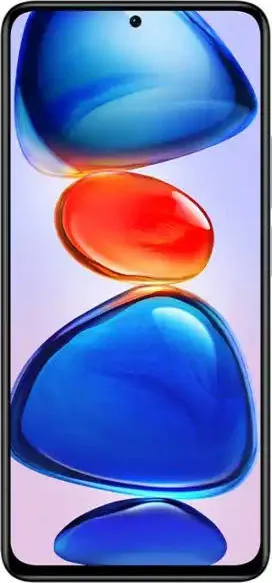
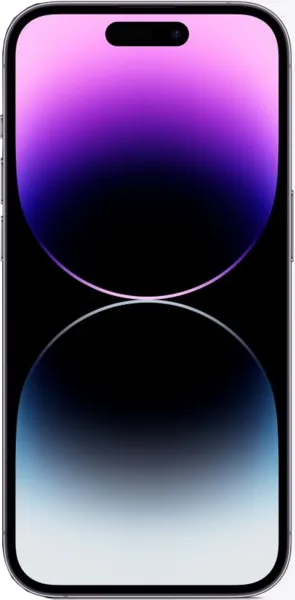
Xiaomi Redmi Note 11 Pro vs. Apple iPhone 14 Pro: A Deep Dive
Let's dissect the Redmi Note 11 Pro and iPhone 14 Pro, moving beyond the spec sheet to understand what these devices offer in the real world.
1. Specifications Breakdown
| Feature | Xiaomi Redmi Note 11 Pro | Apple iPhone 14 Pro | Real-World Implications |
|---|---|---|---|
| Design | |||
| Dimensions | 164.2 x 76.1 x 8.1 mm | 147.5 x 71.5 x 7.9 mm | Redmi is larger; iPhone is more pocketable. |
| Weight | 202g | 206g | Negligible weight difference. |
| Build | Gorilla Glass 5 | Unknown | Redmi offers known screen protection against scratches and drops. |
| Display | |||
| Size | 6.67" | 6.1" | Redmi offers a larger screen for media consumption; iPhone for one-handed use. |
| Resolution | 1080 x 2400 | 1179 x 2556 | iPhone has a slightly sharper display. |
| Refresh Rate | 120Hz | 120Hz | Both offer smooth scrolling and animations. |
| Brightness | 1200 nits | 2000 nits | iPhone dramatically brighter for outdoor visibility. |
| Performance | |||
| Chipset | Helio G96 (12nm) | A16 Bionic (4nm) | iPhone vastly outperforms in speed and efficiency. |
| Antutu | 405,259 | 1,474,011 | iPhone significantly faster for demanding tasks and gaming. |
| RAM | 6GB/8GB | 6GB | Redmi offers an 8GB RAM option for better multitasking. |
| Camera | |||
| Main Camera | 108MP, f/1.9 | 48MP, f/1.78 | Redmi boasts higher resolution; iPhone likely better low-light performance. |
| Video | 1080p@30fps | 4K@60fps | iPhone offers significantly higher video resolution and frame rates. |
| DXOMark Mobile | 78 | 146 | iPhone significantly outperforms in overall camera quality. |
| Battery Life | |||
| Capacity | 5000mAh | 3200mAh | Redmi has a much larger battery capacity. |
| Charging | 67W wired | 20W wired, MagSafe | Redmi charges significantly faster; iPhone offers wireless charging. |
2. Key Insights
Performance: The iPhone 14 Pro, powered by the A16 Bionic chip, obliterates the Redmi Note 11 Pro in performance. This translates to blazing-fast app loading, seamless multitasking, and a superior gaming experience. The Redmi's Helio G96 is sufficient for everyday tasks but will struggle with demanding applications.
Display: While the Redmi offers a larger display, the iPhone 14 Pro boasts superior brightness, making it much more usable outdoors. Both offer a smooth 120Hz refresh rate.
Camera: The megapixel count might favor the Redmi, but real-world image quality is likely to be significantly better on the iPhone 14 Pro due to its superior sensor, processing, and wider aperture. The iPhone also offers superior video recording capabilities. The DXOMark scores confirm the iPhone's substantial advantage in camera performance.
Battery Life: The Redmi's massive 5000mAh battery promises longer endurance, while its 67W fast charging will top it up quickly. The iPhone 14 Pro, while having a smaller battery, benefits from iOS optimizations and might surprise with its real-world usage. The convenience of MagSafe wireless charging is a bonus for the iPhone.
3. User Profiles and Recommendations
Redmi Note 11 Pro: Best suited for budget-conscious users who prioritize a large display, long battery life, and fast charging. It's a good option for media consumption, casual gaming, and everyday tasks.
iPhone 14 Pro: Ideal for users who demand top-tier performance, a premium camera system, a vibrant display, and a seamless software experience. It excels in demanding tasks, mobile photography, video recording, and gaming.
4. Buying Decision Framework
- What's your budget? The Redmi Note 11 Pro is significantly more affordable.
- What are your performance needs? For demanding tasks and gaming, the iPhone 14 Pro is the clear winner.
- What features matter most? Prioritize battery life and a large display? Choose the Redmi. Value a premium camera, sleek design, and seamless performance? The iPhone is your choice.
My Choice: If I were choosing between these two, I'd go for the iPhone 14 Pro. While the Redmi Note 11 Pro offers impressive value for its price, the iPhone's superior performance, camera system, software experience, and vibrant display are compelling. The long-term software support and ecosystem integration of iOS are also significant factors for me. While the battery life might be a concern, I'd prioritize the overall user experience and longevity offered by the iPhone 14 Pro. The price premium is justified by the significant leap in performance and capabilities.
