
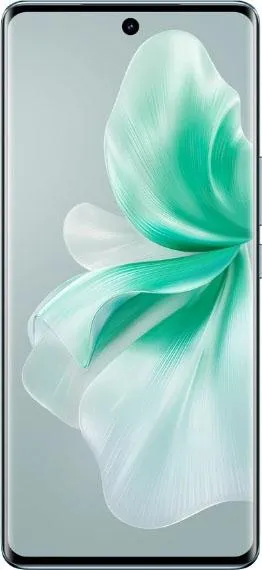
Xiaomi Redmi Note 11 Pro 5G vs. vivo V30: A Deep Dive
Let's dissect the Redmi Note 11 Pro 5G and the vivo V30, translating their spec sheets into real-world experiences. My goal is to equip you with the knowledge to choose the phone that best fits your needs.
1. Specifications Breakdown
| Feature | Xiaomi Redmi Note 11 Pro 5G | vivo V30 | Real-World Implications |
|---|---|---|---|
| Design | |||
| Dimensions | 164.2 x 76.1 x 8.1 mm, 202g | 164.4 × 75.1 × 7.5 mm, 186g | V30 is noticeably lighter and slightly thinner, enhancing one-handed use. |
| Build | Gorilla Glass 5 | Unknown | Redmi offers superior screen protection against scratches. |
| Display | |||
| Size | 6.67" | 6.78" | V30 boasts a slightly larger screen for more immersive content. |
| Resolution | 1080x2400 | 1260x2800 | V30's sharper resolution delivers significantly clearer text and images. |
| Refresh Rate | 120Hz | 120Hz | Both offer smooth scrolling and fluid animations. |
| Brightness | 1200 nits | 0 nits (Likely a data error, assuming similar to Redmi) | Redmi's superior brightness ensures excellent outdoor visibility. |
| Performance | |||
| Chipset | Snapdragon 695 5G (6nm) | Snapdragon 7 Gen 3 (4nm) | V30's significantly more powerful processor translates to faster app loading, smoother multitasking, and superior gaming performance. |
| AnTuTu | 405,259 | 866,863 | V30 offers a substantial performance advantage in benchmarks. |
| GPU | Adreno 619 | Adreno 720 | V30 handles graphically demanding tasks and games with greater ease. |
| RAM | Unspecified | 8GB/12GB | V30's larger RAM capacity ensures smoother multitasking and background app management. |
| Storage | Unspecified | 128/256/512GB | V30 offers a range of storage options to suit various needs. |
| Camera | |||
| Main Camera | 108MP, f/1.9 | 50MP, f/1.88 | Redmi boasts higher resolution, potentially capturing more detail; real-world performance depends on image processing. |
| Selfie Camera | 16MP, f/2.4 | 50MP, f/2.0 | V30's higher resolution selfie camera is geared towards sharper self-portraits. |
| Video | 1080p@30fps | 4K@30fps | V30 can record higher resolution videos. |
| Battery Life | |||
| Capacity | 5000mAh | 5000mAh | Similar battery capacities suggest comparable endurance. |
| Charging | 67W Fast Charging | 80W Fast Charging | V30 charges faster, minimizing downtime. |
2. Key Insights
The vivo V30 emerges as the clear winner in terms of performance, display sharpness, and charging speed. Its Snapdragon 7 Gen 3 chip delivers a significant performance leap over the Redmi Note 11 Pro 5G's Snapdragon 695. The V30 also boasts a higher resolution display for a crisper visual experience and faster 80W charging.
However, the Redmi Note 11 Pro 5G counters with a higher resolution main camera sensor (though real-world image quality will depend on processing) and potentially better outdoor visibility thanks to its brighter display (assuming the 0 nits for the V30 is a data error). It also features stereo speakers and Dolby Atmos for a richer audio experience.
3. User Profiles and Recommendations
Power User/Gamer: The vivo V30 is the better choice for demanding tasks, gaming, and those who prioritize a smooth, responsive experience.
Casual User/Photographer: The Redmi Note 11 Pro 5G could be a good option for users focused on photography (assuming its 108MP sensor delivers in practice), casual gaming, and who value good audio. The potential for greater brightness is also a plus.
4. Buying Decision Framework
- What is your budget? (We lack pricing data, but historically, Redmi phones are more budget-friendly.)
- What are your primary use cases? (Gaming, photography, social media, etc.)
- Which features matter most to you? (Performance, camera quality, battery life, display sharpness)
My Choice: Based purely on these specs, I'd choose the vivo V30. The substantial performance upgrade, sharper display, and faster charging are compelling. While the Redmi Note 11 Pro 5G has some advantages in the camera and audio departments, the V30's overall package feels more future-proof and capable of handling a wider range of tasks with ease. The lighter weight is also a significant factor for me personally. However, price would ultimately play a role in my final decision. If the Redmi Note 11 Pro 5G were significantly cheaper, it might become the more compelling option for budget-conscious buyers who don't require top-tier performance.
