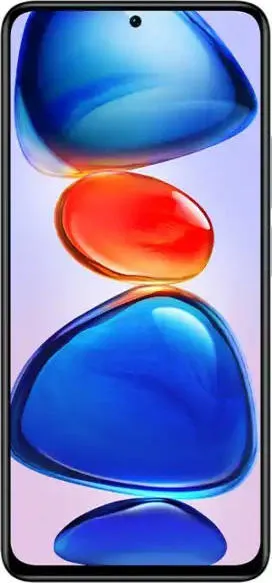
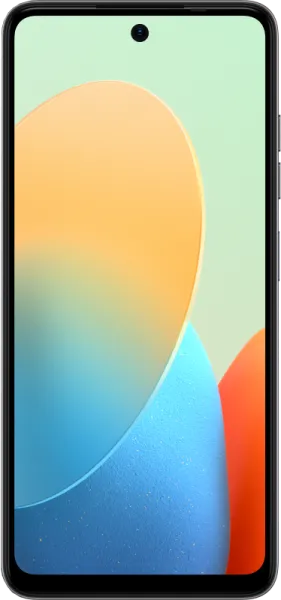
Xiaomi Redmi Note 11 Pro 5G vs. Tecno Spark Go 2024: A Deep Dive
Let's dissect the Redmi Note 11 Pro 5G and the Spark Go 2024, cutting through the marketing fluff to see what truly matters for everyday use.
1. Specifications Breakdown
| Feature | Xiaomi Redmi Note 11 Pro 5G | Tecno Spark Go 2024 | Real-World Implications |
|---|---|---|---|
| Design | |||
| Dimensions | 164.2 x 76.1 x 8.1 mm | 163.7 x 75.6 x 8.6 mm | Virtually identical in hand, though the Spark Go might feel slightly thicker. |
| Weight | 202g | 202g | Identical weight; prolonged use might lead to hand fatigue with either phone. |
| Build | Gorilla Glass 5 | Unknown | The Redmi Note's Gorilla Glass 5 provides significantly better scratch and drop resistance, a crucial factor for long-term durability. |
| Display | |||
| Size | 6.67" | 6.6" | Negligible difference in screen real estate. |
| Resolution | 1080x2400 | 720x1612 | The Redmi Note's sharper resolution translates to crisper text, images, and videos - a noticeable difference in everyday use. |
| Technology | AMOLED | IPS LCD | AMOLED delivers richer colors, deeper blacks, and better power efficiency, especially with dark mode. A significant advantage for the Redmi. |
| Refresh Rate | 120Hz | 90Hz | Smoother scrolling and animations on the Redmi Note, though 90Hz is still quite good. |
| Brightness | 1200 nits | Unknown | The Redmi Note's superior brightness ensures excellent outdoor visibility, a crucial factor for readability in sunlight. |
| Performance | |||
| Chipset | Snapdragon 695 5G | Unisoc T606 | The Snapdragon 695 significantly outperforms the Unisoc T606, offering smoother multitasking, faster app loading, and better gaming. |
| AnTuTu | 405,259 | 249,000 | This benchmark confirms the Redmi Note's superior processing power. |
| RAM | 6/8GB | 3/4GB | More RAM on the Redmi Note allows for seamless multitasking and smoother performance with demanding applications. |
| Camera | |||
| Main Sensor | 108MP | 13MP | The Redmi Note's 108MP sensor captures significantly more detail, especially in well-lit conditions. |
| Features | Triple Camera, Night Mode | Dual Camera, Front Flash | The Redmi boasts a more versatile camera system with an ultrawide lens and dedicated night mode. |
| Battery Life | |||
| Capacity | 5000mAh | 5000mAh | Similar battery capacity suggests comparable endurance. |
| Charging | 67W Fast Charging | 10W | The Redmi Note charges dramatically faster, minimizing downtime. |
2. Key Insights
The Redmi Note 11 Pro 5G clearly outperforms the Spark Go 2024 in almost every aspect. Its superior display, powerful processor, faster charging, and more versatile camera system make it a much more capable device. The Spark Go's main advantage lies in its potentially lower price point.
3. User Profiles and Recommendations
Redmi Note 11 Pro 5G: Ideal for users who prioritize performance, a high-quality display, fast charging, and a capable camera. This phone is suitable for gaming, content creation, and demanding multitasking.
Tecno Spark Go 2024: Best suited for budget-conscious users who primarily use their phones for basic tasks like calling, texting, browsing, and social media.
4. Buying Decision Framework
- What is your budget? The Spark Go is likely to be significantly cheaper.
- What are your primary phone usage patterns? For basic use, the Spark Go might suffice. For anything more demanding, the Redmi Note is the better choice.
- How important are features like camera quality, display sharpness, and performance? If these are priorities, the Redmi Note is the clear winner.
My Choice: The Redmi Note 11 Pro 5G
While we don't have pricing information, even with a potential price premium, the Redmi Note 11 Pro 5G is the superior device. The significantly better performance, display, camera, and fast charging outweigh the benefits of a potentially lower price for the Spark Go 2024. The long-term value and user experience offered by the Redmi Note make it the clear winner for me. I appreciate a smooth, responsive device with a great screen and a capable camera, and the Redmi Note delivers on all fronts. The Spark Go feels like a device compromised in too many areas to provide a truly satisfying user experience.
