
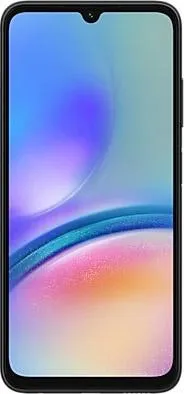
Xiaomi Redmi Note 11 Pro 5G vs. Samsung Galaxy A05s: A Deep Dive
Let's cut through the marketing jargon and dissect these two smartphones, focusing on what truly matters: how they perform in the real world.
1. Specifications Breakdown
| Feature | Xiaomi Redmi Note 11 Pro 5G | Samsung Galaxy A05s | Real-World Implications |
|---|---|---|---|
| Design | |||
| Dimensions | 164.2 x 76.1 x 8.1 mm | 168 x 77.8 x 8.8 mm | The Redmi is slightly more compact, potentially easier for one-handed use. The A05s is a bit heavier. |
| Weight | 202g | 194g | Negligible weight difference in day-to-day use. |
| Display | |||
| Size | 6.67" | 6.7" | Virtually identical screen real estate. |
| Resolution | 1080 x 2400 | 1080 x 2400 | Sharp, detailed visuals on both. |
| Technology | AMOLED | PLS LCD | Significant difference: The Redmi's AMOLED offers richer colors, deeper blacks, and better power efficiency. |
| Refresh Rate | 120Hz | 90Hz | The Redmi will feel noticeably smoother when scrolling and gaming. |
| Brightness | 1200 nits | Unknown | The Redmi's superior brightness ensures excellent outdoor visibility. Lack of data for the A05s hinders comparison |
| Performance | |||
| Chipset | Snapdragon 695 5G | Snapdragon 680 4G | Major Advantage Redmi: The 695 is significantly more powerful, enabling smoother multitasking and better gaming. Plus, 5G connectivity. |
| Antutu Score | 405,259 | 260,000 | The Redmi's much higher score translates to a significantly faster and more responsive user experience. |
| GPU | Adreno 619 | Adreno 610 | The Redmi's GPU provides a better gaming and graphics-intensive task experience. |
| Camera | |||
| Main Camera | 108MP | 50MP | The Redmi boasts a higher resolution main sensor, potentially capturing more detail. |
| Selfie Camera | 16MP | 13MP | The Redmi's selfie camera offers slightly higher resolution. |
| Video | 1080p@30fps | 1080p@30/60fps | While both offer 1080p, the A05s adds a 60fps option for smoother video. |
| Battery Life | |||
| Capacity | 5000mAh | 5000mAh | Similar battery capacities suggest comparable endurance. |
| Charging | 67W Fast Charging | 25W Fast Charging | Major Advantage Redmi: Significantly faster charging, minimizing downtime. |
2. Key Insights
- Display: The Redmi's AMOLED display is a clear winner, offering a visually superior experience.
- Performance: The Snapdragon 695 in the Redmi delivers significantly better performance across the board, making it ideal for demanding tasks and gaming. The inclusion of 5G future-proofs the device.
- Camera: While megapixels aren't everything, the Redmi's 108MP sensor, combined with a wider range of features, likely delivers better overall image quality. However, real-world testing is needed to confirm this.
- Charging: The Redmi's 67W fast charging is a game-changer, dramatically reducing charging time compared to the A05s' 25W.
3. User Profiles and Recommendations
- Redmi Note 11 Pro 5G: Ideal for users who prioritize performance, a vibrant display, fast charging, and future-proof 5G connectivity. Great for gamers, multitaskers, and content consumers.
- Samsung Galaxy A05s: Best suited for budget-conscious users who primarily use their phones for basic tasks like calling, texting, and social media browsing.
4. Buying Decision Framework
- What's your budget? The A05s is likely more affordable.
- Is performance a priority? If so, the Redmi is the clear choice.
- How important is display quality? The Redmi's AMOLED screen offers a substantial upgrade.
My Choice: I would choose the Xiaomi Redmi Note 11 Pro 5G. The superior display, significantly faster performance thanks to the Snapdragon 695 and vastly improved GPU, 5G connectivity, and incredibly fast 67W charging make it a far more compelling device for my needs. While the Samsung Galaxy A05s might be a decent budget option, the Redmi offers a significant leap in user experience that justifies the likely price difference. As a tech enthusiast, I value a smooth, responsive device with a great screen, and the Redmi delivers on all fronts.
