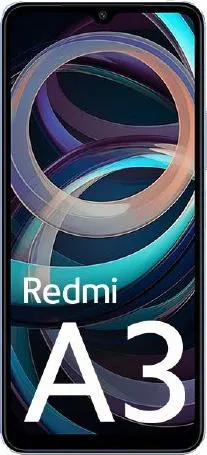
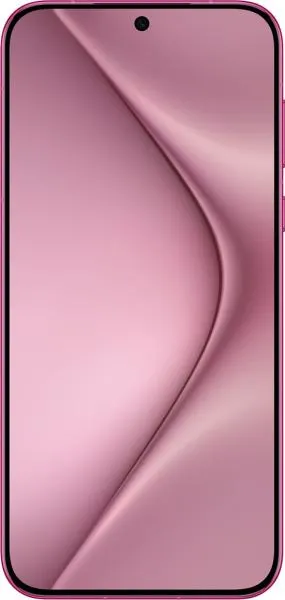
Xiaomi Redmi A3 vs. Huawei Pura 70: A Deep Dive
Let's dissect the Xiaomi Redmi A3 and the Huawei Pura 70, translating their specs into real-world experiences to help you decide which phone fits your needs.
1. Specifications Breakdown
| Feature | Xiaomi Redmi A3 | Huawei Pura 70 | Real-World Implications |
|---|---|---|---|
| Design | |||
| Dimensions | 168.3 x 76.3 x 8.3 mm | 157.6 x 74.3 x 8 mm | Pura 70 is slightly smaller and potentially more pocketable. |
| Weight | 193g | 207g | Redmi A3 is noticeably lighter, reducing hand fatigue during extended use. |
| Display | |||
| Size | 6.71" | 6.6" | Negligible difference in screen real estate. |
| Type | IPS LCD, 90Hz | LTPO OLED, 120Hz | Pura 70 offers superior contrast, deeper blacks, and smoother scrolling due to OLED technology and higher refresh rate. Potentially better battery efficiency due to LTPO. |
| Resolution | 720 x 1650 | 1256 x 2760 | Pura 70 boasts significantly sharper visuals (460 ppi vs 268 ppi). |
| Peak Brightness | 500 nits | 2500 nits | Pura 70 will be far more readable in direct sunlight. |
| Performance | |||
| Chipset | Helio G36 (12nm) | Kirin 9000S1 | Pura 70's Kirin chipset promises significantly higher performance in demanding tasks and gaming. |
| CPU | Octa-core (4x2.2 GHz A53 & 4x1.6 GHz A53) | Octa-core | Redmi A3 uses older, less powerful Cortex-A53 cores. Specific core configuration for Pura 70 is missing, making a detailed comparison difficult. |
| GPU | PowerVR GE8320 | 8 | Pura 70 likely has a much more powerful GPU. Lack of specific GPU model for Pura 70 hinders detailed comparison, but the overall chipset advantage suggests superior graphical capabilities. |
| RAM/Storage | 128GB/4GB, 128GB/6GB | 512GB/12GB | Pura 70 provides substantially more storage and RAM for multitasking and demanding applications. |
| Battery | |||
| Capacity | 5000 mAh | 4900 mAh | Negligible difference in battery capacity. Real-world battery life will depend on software optimization and display power consumption. |
| Other | |||
| OS | Android 14 | Unknown | Redmi A3 ships with the latest Android version. OS details missing for Pura 70. |
| NFC | Yes | Yes | Both support contactless payments. |
| USB | USB Type-C 2.0 | USB Type-C 3.1, OTG, DisplayPort 1.2 | Pura 70 offers faster data transfer and video output capabilities. |
| Price | Low | Medium | Redmi A3 targets budget-conscious buyers; Pura 70 commands a higher price. |
2. Key Insights
The Redmi A3 is a budget-friendly device prioritizing essentials. Its strengths lie in its lightweight design and large battery. However, it compromises on performance and display quality.
The Pura 70, while pricier, offers a flagship-level experience with a stunning display, powerful processor, and ample storage. Its advantages are evident in demanding tasks, gaming, and media consumption. However, it is heavier. The lack of OS information is a significant unknown.
3. User Profiles and Recommendations
Redmi A3: Ideal for users who prioritize affordability and basic functionality like calling, texting, and light web browsing. Good for users who value a lightweight phone.
Pura 70: Suitable for power users, gamers, and multimedia enthusiasts who demand top-tier performance, a brilliant display, and ample storage. Potentially great for content creators if the unknown OS allows for it.
4. Buying Decision Framework
- What is your budget? The Redmi A3 is a clear winner for budget-conscious buyers.
- What are your primary phone usage patterns? For basic tasks, the Redmi A3 suffices. For demanding applications and gaming, the Pura 70 is necessary.
- How important is display quality and performance? The Pura 70 excels in these areas, while the Redmi A3 makes compromises.
My Choice: Huawei Pura 70 (with caveats)
While the missing OS information for the Pura 70 is a huge red flag (it could heavily impact the usability of the phone), assuming it runs a standard version of Android or even Harmony OS, I would lean towards the Pura 70. The significantly superior display, processing power, and ample RAM/storage cater to my needs as a tech journalist who often tests demanding applications and requires a device capable of handling multitasking and media creation. The Redmi A3, while a solid budget option, simply doesn't offer the performance headroom I require. I'm willing to pay the premium for the Pura 70's enhanced capabilities, assuming the OS situation is resolved favorably. If the OS is severely limited in functionality (no app store access, for example), then the Redmi A3 becomes the default choice simply due to having a known, functional OS.
