1. Specifications Comparison
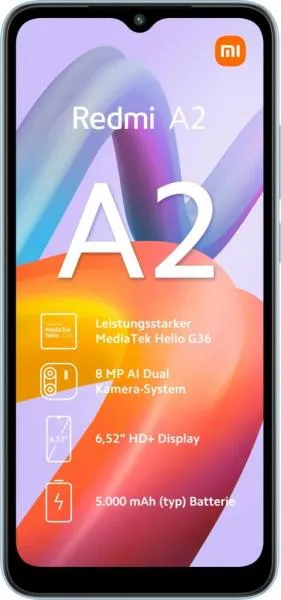
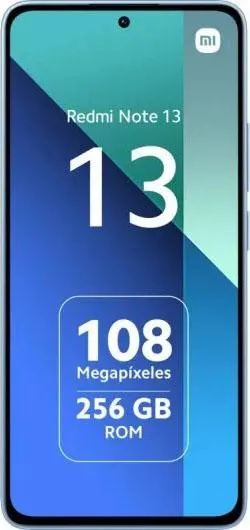
| Feature | Xiaomi Redmi A2 | Xiaomi Redmi Note 13 4G | Practical Impact |
|---|---|---|---|
| Design | |||
| Dimensions (mm) | 164.9 x 76.8 x 9.1 | 162.3 x 75.6 x 8 | Redmi Note 13 4G is slightly smaller and thinner. |
| Weight (g) | 192 | 188.5 | Negligible weight difference. |
| Build Material | Not specified | Not specified | Cannot compare build quality. |
| Display | |||
| Display Type | IPS LCD | AMOLED | AMOLED offers richer colors, deeper blacks, and better power efficiency. |
| Display Size (inches) | 6.52 | 6.67 | Note 13 4G has a slightly larger screen. |
| Resolution | 720 x 1600 | 1080 x 2400 | Note 13 4G has a significantly sharper display, resulting in clearer text and images. |
| Refresh Rate | Not specified | 120Hz | 120Hz provides smoother scrolling and animations, enhancing the user experience. |
| Peak Brightness | 400 nits (typ) | 1800 nits (peak) | Note 13 4G is significantly brighter, making it more usable outdoors. |
| Performance | |||
| Chipset | Mediatek Helio G36 (12 nm) | Qualcomm Snapdragon 685 (6 nm) | Snapdragon 685 is more power-efficient and offers better performance. |
| CPU | Octa-core (4x2.2 GHz Cortex-A53 & 4x1.7 GHz Cortex-A53) | Octa-core (4x2.8 GHz Cortex-A73 & 4x1.9 GHz Cortex-A53) | Note 13 4G has faster and more powerful CPU cores, leading to smoother multitasking and faster app loading. |
| GPU | PowerVR GE8320 | Adreno 610 | Adreno 610 offers better gaming performance. |
| RAM | 2/3GB | 8GB | Significantly more RAM in Note 13 4G allows for better multitasking and smoother performance. |
| Storage | 32/64GB | 128/256GB | Note 13 4G offers much more storage for apps, photos, and videos. |
| Camera | |||
| Rear Camera | 8MP Main, 0.3MP Auxiliary | 108MP Main, 8MP Wide, 2MP Depth | Note 13 4G boasts a significantly higher resolution main camera and additional lenses for versatility. |
| Front Camera | 5MP | 16MP | Note 13 4G has a much better selfie camera. |
| Battery | |||
| Capacity | 5000 mAh | 5000 mAh | Similar battery capacity. |
| Charging | 10W | 33W | Note 13 4G charges significantly faster. |
2. Key Differences Analysis
Redmi A2 Advantages:
- Lower Price: Significantly more affordable.
Redmi Note 13 4G Advantages:
- Superior Display: AMOLED with higher resolution, refresh rate, and brightness.
- Better Performance: More powerful processor, GPU, and significantly more RAM.
- Enhanced Camera System: Higher resolution sensors, versatile lenses, and improved image quality.
- Faster Charging: 33W fast charging significantly reduces charging time.
- NFC: Enables contactless payments and other NFC functionalities.
- USB Type-C: Modern and reversible connector.
3. User Profiles & Recommendations
Redmi A2:
- Budget-conscious users: For basic tasks like calling, texting, and browsing.
- Light users: Individuals who primarily use their phone for communication and simple apps.
Redmi Note 13 4G:
- Performance-oriented users: For gaming, demanding applications, and multitasking.
- Photography enthusiasts: The versatile camera system offers more creative possibilities.
- Users seeking a premium display: AMOLED offers vibrant colors and smooth scrolling.
4. Decision Framework
Key Questions:
- What is your budget? The Redmi A2 is significantly cheaper.
- What are your primary phone usage patterns? Basic tasks vs. demanding applications and gaming.
- How important are display quality, camera performance, and charging speed?
My Choice: Xiaomi Redmi Note 13 4G
While the Redmi A2 offers incredible value for its price, the Redmi Note 13 4G provides a significantly better overall user experience. The superior display, performance, camera system, faster charging, NFC functionality, and modern USB-C port make it a compelling choice. The price difference is justifiable considering the substantial improvements. For a long-term investment, the Redmi Note 13 4G is the clear winner. Even though specific build materials were not listed, the comprehensive improvements in other areas point to a likely better overall build quality as well.
