1. Specifications Comparison
| Feature | Category | Xiaomi Redmi A2 | Xiaomi Redmi A3 | Practical Impact |
|---|---|---|---|---|
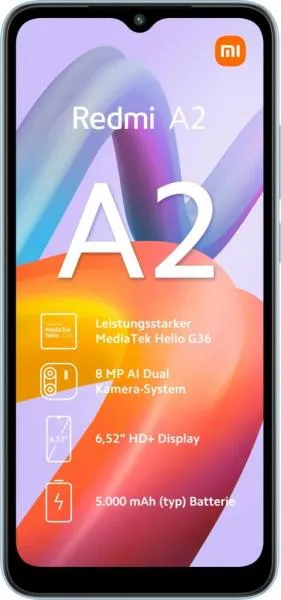
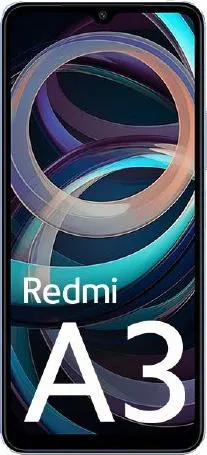
| Dimensions | Design | 164.9 x 76.8 x 9.1 mm, 192g | 168.3 x 76.3 x 8.3 mm, 193g | Redmi A3 is slightly larger but thinner. Negligible weight difference. |
| Display Size | Display | 6.52" | 6.71" | A3 offers a slightly larger screen for more immersive content consumption. |
| Display Resolution | Display | 720 x 1600 px (269 ppi) | 720 x 1650 px (268 ppi) | Virtually identical resolution and pixel density; expect similar sharpness. |
| Display Type | Display | IPS LCD, 400 nits (typ) | IPS LCD, 90Hz, 500 nits (HBM) | A3's 90Hz refresh rate provides smoother scrolling and animations. Higher peak brightness improves outdoor visibility. |
| OS | Performance | Android 12 | Android 14 | A3 ships with a newer OS, offering potential performance improvements, newer features, and longer security updates. |
| Chipset | Performance | Mediatek Helio G36 (12 nm) | Mediatek Helio G36 (12 nm) | Identical chipset; expect similar performance in day-to-day tasks and gaming. |
| CPU | Performance | Octa-core (4x2.2 GHz Cortex-A53 & 4x1.7 GHz Cortex-A53) | Octa-core (4x2.2 GHz Cortex-A53 & 4x1.6 GHz Cortex-A53) | Minor difference in efficiency cores' clock speed; unlikely to noticeably impact performance. |
| RAM | Performance | 2/3GB | 3/4/6GB | A3 offers higher RAM options, enabling better multitasking and smoother performance with more demanding apps. |
| Storage | Performance | 32/64GB | 64/128GB | A3 offers significantly more storage for apps, photos, and videos. |
| Main Camera | Camera | 8MP, f/2.0 | 8MP, f/2.0 | Identical main camera specifications; image quality should be similar. |
| Selfie Camera | Camera | 5MP, f/2.2 | 5MP, f/2.2 | Identical selfie camera specifications. |
| Battery | Battery | 5000 mAh, 10W charging | 5000 mAh, 10W charging | Identical battery capacity and charging speed. Expect similar battery life. |
| NFC | Connectivity | No | Yes | A3 supports NFC for contactless payments and other functionalities. |
| USB | Connectivity | microUSB 2.0 | USB Type-C 2.0 | A3 uses the more modern and versatile USB-C port. |
2. Key Differences Analysis
Redmi A3 Advantages:
- Newer Android Version: Android 14 offers performance improvements, feature updates, and extended security support.
- Higher Refresh Rate Display: 90Hz provides a smoother and more responsive user experience.
- Brighter Display: Improved outdoor visibility.
- More RAM and Storage Options: Better multitasking and ample space for files.
- NFC: Enables contactless payments and data transfer.
- USB-C: Modern and reversible connector.
Redmi A2 Advantages:
- Potentially Lower Price: With lower base specs, the A2 might be more budget-friendly. (Specific pricing comparison needed).
3. User Profiles & Recommendations
Redmi A3: Suitable for users who prioritize a smooth display, newer software features, NFC functionality, and future-proofing with longer software updates. Ideal for light gaming, social media, web browsing, and general use.
Redmi A2: Best suited for budget-conscious users who prioritize basic functionality for calling, texting, and essential apps. Good for users who are less demanding of performance and features.
4. Decision Framework
Key Questions:
- What is your budget? The A2 likely offers a lower entry price.
- How important is a smooth and responsive display? The A3's 90Hz is a key differentiator.
- Do you need NFC for contactless payments? This is only available on the A3.
Scenario-Based Recommendations:
- Tight Budget, Basic Needs: Redmi A2
- Value for Money, Modern Features: Redmi A3
My Choice: Xiaomi Redmi A3
While both phones offer basic functionality, the Redmi A3 provides significantly better value due to its newer Android version, higher refresh rate display, NFC, USB-C port, and greater RAM/storage options. The slightly larger screen is a bonus. Even if the A3 is slightly more expensive, the improved user experience and longer software support make it a more worthwhile investment in the long run. The 90Hz refresh rate alone makes a noticeable difference in day-to-day use. The addition of NFC opens up possibilities for contactless payments, a crucial feature for many users today. These advantages outweigh the marginal differences in size and weight.
