1. Specifications Comparison
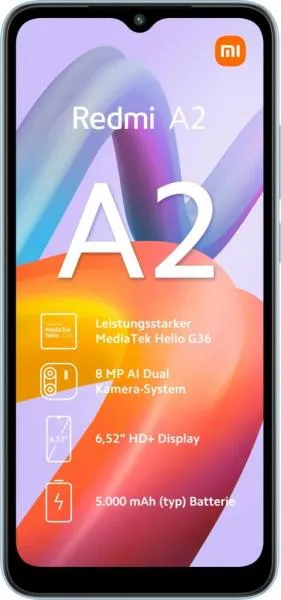
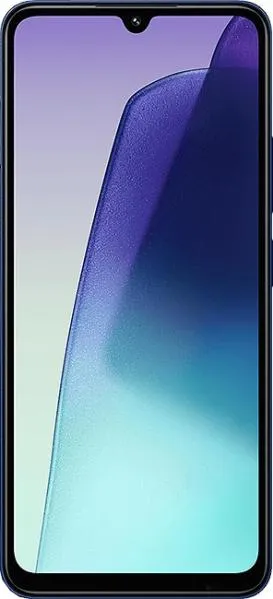
| Feature | Xiaomi Redmi A2 | Xiaomi Redmi 14C | Practical Impact |
|---|---|---|---|
| Design | |||
| Dimensions (mm) | 164.9 x 76.8 x 9.1 | 171.9 x 77.8 x 8.2 | Redmi 14C is slightly larger and thinner. |
| Weight (g) | 192 | 211 | Redmi A2 is noticeably lighter, improving one-handed use. |
| Build Material | Not specified | Not specified | Cannot compare build quality and durability. |
| Display | |||
| Size (inches) | 6.52 | 6.88 | Redmi 14C offers a larger screen for media consumption. |
| Resolution | 720 x 1600 | 720 x 1640 | Negligible difference in sharpness at this size and resolution. |
| Refresh Rate | Not specified | 120Hz | Redmi 14C's 120Hz display will feel significantly smoother for scrolling and gaming. |
| Display Type | IPS LCD | IPS LCD | Both offer similar color accuracy and viewing angles, though Redmi 14C's higher nit value might offer better visibility in sunlight. |
| Performance | |||
| Chipset | Mediatek Helio G36 (12 nm) | Mediatek Helio G81 Ultra | Redmi 14C's G81 offers better performance for gaming and multitasking. |
| CPU | Octa-core (4x2.2 GHz Cortex-A53 & 4x1.7 GHz Cortex-A53) | Octa-core (2x2.0 GHz Cortex-A75 & 6x1.8 GHz Cortex-A55) | Redmi 14C has a more modern and powerful CPU architecture. |
| GPU | PowerVR GE8320 | Mali-G52 MC2 | Redmi 14C's GPU provides improved graphics performance. |
| RAM | 2/3GB | 4/6/8GB | Redmi 14C offers significantly more RAM, enabling smoother multitasking and better performance with demanding apps. |
| Storage | 32/64GB | 128/256GB | Redmi 14C offers much more storage for apps, photos, and videos. |
| Camera | |||
| Rear Camera | 8MP + 0.3MP | 50MP + 0.8MP | Redmi 14C boasts a significantly higher resolution main camera, potentially capturing more detail. |
| Front Camera | 5MP | 13MP | Redmi 14C's front camera should produce higher quality selfies. |
| Video Recording | 1080p@30fps | 1080p@30fps | Equivalent video resolution; however, Redmi 14C mentions 120fps slow-motion capability which is not present in Redmi A2 specifications. |
| Battery | |||
| Capacity | 5000 mAh | 5160 mAh | Negligible difference in battery capacity. |
| Charging | 10W | 18W | Redmi 14C supports faster charging, reducing downtime. |
| Other | |||
| OS | Android 12 | Android 14 | Redmi 14C ships with a more recent OS version, offering newer features and security updates. |
| NFC | No | Yes | Redmi 14C supports NFC for contactless payments and other functionalities. |
| USB | microUSB 2.0 | USB Type-C 2.0 | Redmi 14C features the more modern and versatile USB-C port. |
2. Key Differences Analysis
Redmi A2 Advantages:
- Lighter and More Compact: Easier to handle and carry.
- Lower Price: Significantly more affordable.
Redmi 14C Advantages:
- Superior Performance: Smoother multitasking, better gaming, faster app loading.
- Larger, Smoother Display: More immersive media consumption and smoother user interface.
- Better Cameras: Higher resolution sensors for improved photo and video quality.
- Faster Charging: Less downtime.
- More Modern Features: NFC, USB-C, newer Android version.
- More Storage: More space for apps, photos and videos.
3. User Profiles & Recommendations
Redmi A2: Budget-conscious users who prioritize basic communication and light usage (calls, texting, browsing). Best for:
- First-time smartphone users: Simple and affordable entry point.
- Secondary phone: For basic tasks without the need for high performance.
- Users on a tight budget: Where affordability is the primary concern.
Redmi 14C: Users who value performance, modern features, and a better multimedia experience. Best for:
- Mobile gamers: Smoother gameplay and larger display.
- Content consumers: Enjoying videos, photos, and social media on a larger screen.
- Users who need a reliable all-around phone: Offering a balance of performance, features, and battery life.
4. Decision Framework
Key Questions for Buyers:
- What is your budget? Redmi A2 is significantly cheaper.
- What are your primary use cases? Basic communication vs. gaming, multimedia, multitasking.
- Which features are essential to you? NFC, USB-C, larger display, better performance.
Scenario-Based Recommendations:
- Limited Budget: Redmi A2
- Basic Phone for Calling/Texting: Redmi A2
- Gaming/Multimedia Focus: Redmi 14C
- Latest Features and Performance: Redmi 14C
My Choice: Xiaomi Redmi 14C
While the Redmi A2 offers an incredibly affordable entry point into the smartphone market, the Redmi 14C is the superior choice for most users. The relatively small price difference is justified by the significant upgrades in performance, display, camera, charging speed, and features like NFC and USB-C. The modern chipset, increased RAM, and larger storage ensure a smoother and more enjoyable user experience for a wider range of tasks. The 120Hz refresh rate is a significant improvement for daily usability. Unless budget is an extremely limiting factor, the Redmi 14C's long-term value and versatility make it a better investment.
