1. Specifications Comparison
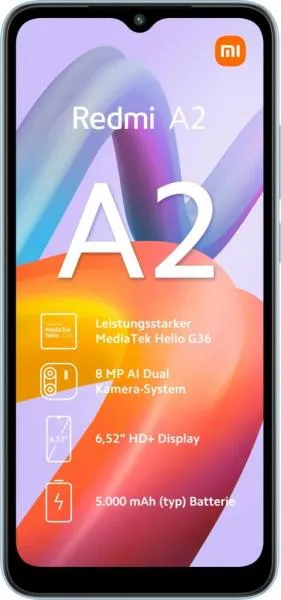
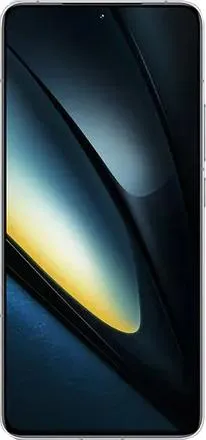
| Feature | Xiaomi Redmi A2 | Xiaomi Poco F6 Pro | Practical Impact |
|---|---|---|---|
| Design | |||
| Dimensions (mm) | 164.9 x 76.8 x 9.1 | 160.9 x 75 x 8.2 | Poco F6 Pro is slightly smaller and noticeably thinner. |
| Weight (g) | 192 | 209 | Poco F6 Pro is a bit heavier, but the difference is minimal. |
| Build | Unspecified | Unspecified | Build materials and durability are unknown for both. |
| Display | |||
| Display Type | IPS LCD | AMOLED | Poco F6 Pro offers significantly better contrast, colors, and viewing angles. |
| Display Size (inches) | 6.52 | 6.67 | Poco F6 Pro has a slightly larger display. |
| Resolution | 720 x 1600 | 1440 x 3200 | Poco F6 Pro has a much sharper and more detailed display. |
| Refresh Rate | Unspecified | 120Hz | Poco F6 Pro will provide a smoother and more responsive user experience, especially in gaming and scrolling. |
| Peak Brightness | 400 nits (typ) | 4000 nits (peak) | Poco F6 Pro will be far more visible in direct sunlight. |
| Performance | |||
| Chipset | Mediatek Helio G36 (12 nm) | Qualcomm Snapdragon 8 Gen 2 (4 nm) | Poco F6 Pro boasts a vastly more powerful processor, enabling significantly faster performance in all tasks, including demanding games and multitasking. |
| CPU | Octa-core (4x2.2 GHz Cortex-A53 & 4x1.7 GHz Cortex-A53) | Octa-core (1x3.2 GHz Cortex-X3 & 2x2.8 GHz Cortex-A715 & 2x2.8 GHz Cortex-A710 & 3x2.0 GHz Cortex-A510) | The Poco F6 Pro's CPU architecture is far superior, resulting in a substantial performance difference. |
| RAM | 2/3GB | 12/16GB | The massive difference in RAM allows for significantly more apps to run in the background on the Poco F6 Pro without performance slowdowns. |
| Camera | |||
| Rear Camera | 8MP main, 0.3MP unspecified | 50MP main, 8MP wide, 2MP macro | Poco F6 Pro offers much higher resolution, a wider field of view, and macro capabilities. Image quality will likely be significantly better. |
| Front Camera | 5MP | 16MP | Poco F6 Pro's front camera provides higher resolution for better selfies. |
| Video Recording | 1080p@30fps | Up to 8K@24fps | Poco F6 Pro offers significantly higher video resolution and frame rates, including advanced features like EIS. |
| Battery | |||
| Capacity | 5000 mAh | 5000 mAh | Similar battery capacities. |
| Charging | 10W fast charging | 120W fast charging | Poco F6 Pro charges dramatically faster. |
2. Key Differences Analysis
Xiaomi Redmi A2 Advantages:
- Lower Price: Significantly more affordable.
Xiaomi Poco F6 Pro Advantages:
- Superior Performance: Dramatically faster processor, more RAM, smoother display.
- Better Display: Higher resolution, AMOLED technology, higher refresh rate, brighter.
- Enhanced Camera System: Higher resolution sensors, wider lens options, better video capabilities.
- Faster Charging: Significantly faster charging speeds.
- More Features: NFC, newer Android version, more advanced connectivity.
Trade-offs:
- Price: The Poco F6 Pro comes at a significantly higher price.
- Redmi A2 Simplicity: The Redmi A2 might appeal to users seeking a basic, no-frills smartphone experience.
3. User Profiles & Recommendations
Xiaomi Redmi A2: Budget-conscious users who prioritize basic communication (calls, texts, browsing) and light app usage. Ideal for:
- First-time smartphone users
- Elderly users
- Users on a very tight budget
Xiaomi Poco F6 Pro: Users who demand high performance, a great display, and advanced camera features. Ideal for:
- Mobile gamers
- Power users
- Content creators
- Photography enthusiasts
4. Decision Framework
Key Questions:
- What is your budget? The price difference is substantial.
- What are your primary smartphone uses? Basic communication vs. demanding tasks.
- How important are features like camera quality, display quality, and performance?
My Choice: Xiaomi Poco F6 Pro
While the Redmi A2 serves a specific niche for budget-conscious users, I would choose the Poco F6 Pro. The significant performance difference, superior display, versatile camera system, faster charging, and future-proof features (like 5G and newer Android version) justify the higher price for me. I value a smooth and responsive user experience, high-quality media consumption, and the ability to run demanding applications without lag. The Poco F6 Pro delivers all of that and more, making it a much more compelling device overall. While battery capacity is the same, the vastly superior charging speed of the F6 Pro would be a huge benefit in my daily usage. Finally, access to NFC for mobile payments is a must-have feature for me.
