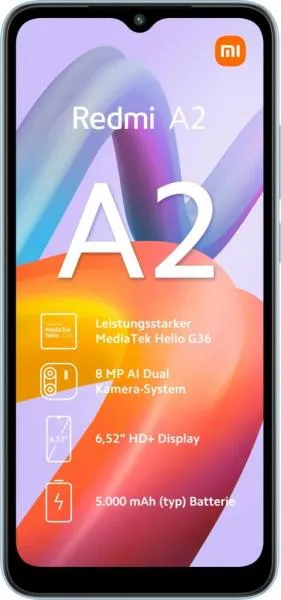
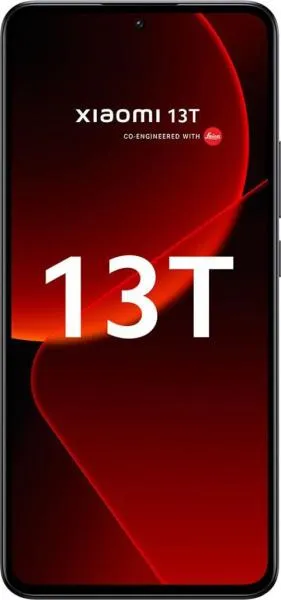
1. Specifications Comparison
| Feature | Xiaomi Redmi A2 | Xiaomi 13T | Practical Impact |
|---|---|---|---|
| Design | |||
| Dimensions (mm) | 164.9 x 76.8 x 9.1 | 162.2 x 75.7 x 8.5 | 13T is slightly smaller and thinner. |
| Weight (g) | 192 | 193 | Negligible weight difference. |
| Build | Plastic | Likely Glass/Metal (Not specified) | 13T likely feels more premium and durable. |
| Display | |||
| Display Type | IPS LCD | AMOLED | 13T offers significantly better contrast, colors, and viewing angles. |
| Size (inches) | 6.52 | 6.67 | 13T has a slightly larger screen. |
| Resolution | 720 x 1600 | 1220 x 2712 | 13T boasts much sharper visuals due to higher resolution. |
| Refresh Rate | Not specified | 144Hz | 13T will provide a noticeably smoother user experience, especially in gaming and scrolling. |
| Peak Brightness | 400 nits (typ) | 2600 nits (peak) | 13T will be far more visible in direct sunlight. |
| Performance | |||
| Chipset | Mediatek Helio G36 (12 nm) | Mediatek Dimensity 8200 Ultra (4 nm) | 13T offers vastly superior performance in all tasks. |
| CPU | Octa-core (4x2.2 GHz Cortex-A53 & 4x1.7 GHz Cortex-A53) | Octa-core (1x3.1 GHz Cortex-A78 & 3x3.0 GHz Cortex-A78 & 4x2.0 GHz Cortex-A55) | 13T has a more powerful and efficient CPU architecture. |
| GPU | PowerVR GE8320 | Mali-G610 MC6 | 13T provides significantly better graphics performance for demanding games. |
| RAM | 2/3GB | 8/12GB | 13T allows for much better multitasking and smoother performance with demanding applications. |
| Camera | |||
| Rear Camera | 8MP Main, 0.3MP unspecified | 50MP Main (Sony IMX707), 50MP Telephoto, 13MP Wide Angle | 13T offers dramatically better image quality, versatility with multiple lenses, and advanced features. |
| Front Camera | 5MP | 20MP | 13T produces higher resolution selfies. |
| Video Recording | 1080p@30fps | 4K@30fps with HDR, up to 960fps slow-motion | 13T offers superior video resolution, quality, and slow-motion capabilities. |
| Battery | |||
| Capacity | 5000 mAh | 5000 mAh | Similar battery capacity. |
| Charging | 10W | 67W | 13T charges significantly faster. |
2. Key Differences Analysis
Xiaomi Redmi A2 Advantages:
- Lower Price: Significantly more affordable.
Xiaomi 13T Advantages:
- Superior Performance: Much faster processor, more RAM, and a powerful GPU for smooth multitasking and gaming.
- High-Quality Display: AMOLED with high resolution, refresh rate, and brightness for a vibrant and immersive visual experience.
- Advanced Camera System: Versatile triple camera setup with high-resolution sensors and advanced features for excellent photography and videography.
- Faster Charging: Significantly faster charging speeds minimize downtime.
- More Features: NFC, latest Android version, and more connectivity options.
3. User Profiles & Recommendations
Xiaomi Redmi A2: Budget-conscious users who prioritize basic communication and light internet browsing. Ideal for:
- Basic phone calls and texting: Reliable for essential communication needs.
- Casual social media browsing: Adequate for light usage.
- Simple tasks: Suitable for less demanding applications.
Xiaomi 13T: Users who demand high performance, a premium multimedia experience, and advanced camera capabilities. Ideal for:
- Mobile gaming: Powerful hardware ensures smooth gameplay.
- Content consumption: High-quality display enhances movies, videos, and photos.
- Photography and videography: Versatile camera system captures stunning images and videos.
- Power users: Handles demanding tasks and multitasking with ease.
4. Decision Framework
Key Questions for Buyers:
- What is your budget? The Redmi A2 is a budget option, while the 13T is a mid-range device.
- What are your primary phone usage needs? Basic communication vs. demanding tasks, gaming, and multimedia consumption.
- How important are camera quality and performance? The 13T excels in this area, while the Redmi A2 offers basic functionality.
Scenario-Based Recommendations:
- Limited Budget, Basic Needs: Redmi A2
- Balanced Performance and Price: Consider other mid-range options besides the 13T.
- Best Possible Performance and Features: Xiaomi 13T
My Choice: Xiaomi 13T
While the Redmi A2 serves its purpose as a budget device, the Xiaomi 13T is the clear winner for me. Its superior performance, stunning display, versatile camera system, and fast charging make it a significantly better overall package. The price difference is substantial, but the 13T offers a vastly improved user experience that justifies the cost for my needs. I prioritize a smooth and responsive phone for productivity, gaming, and media consumption, and the 13T delivers on all fronts. The significantly improved camera system is also a huge factor for me.
