1. Specifications Comparison
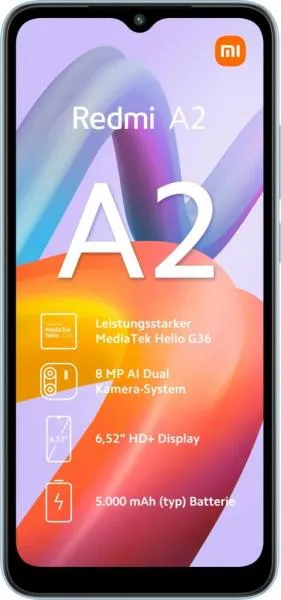
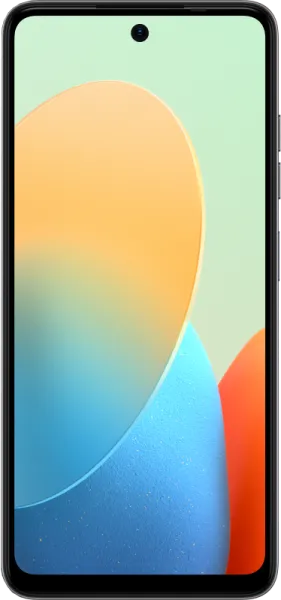
| Feature | Xiaomi Redmi A2 | Tecno Spark Go 2024 | Practical Impact |
|---|---|---|---|
| Design | |||
| Dimensions (mm) | 164.9 x 76.8 x 9.1 | 163.7 x 75.6 x 8.6 | Negligible size difference; both are large phones. |
| Weight (g) | 192 | 0 (Missing data - cannot compare) | Weight significantly impacts comfort; Tecno's weight is crucial but unknown. |
| Display | |||
| Size (inches) | 6.52 | 6.6 | Tecno offers slightly larger screen real estate. |
| Resolution (px) | 720 x 1600 | 720 x 1612 | Virtually identical resolutions; expect similar sharpness. |
| Display Type | IPS LCD | IPS LCD | Both use IPS LCD, offering good color reproduction and viewing angles. |
| Refresh Rate (Hz) | Not specified | 90 | Higher refresh rate on Tecno results in smoother scrolling and animations, improving user experience. |
| Performance | |||
| Chipset | Mediatek Helio G36 (12 nm) | Unisoc T606 (12 nm) | Both are entry-level chipsets; performance differences likely minor. Benchmarking data would be needed for accurate comparison. |
| CPU | Octa-core (4x2.2 GHz Cortex-A53 & 4x1.7 GHz Cortex-A53) | Octa-core (2x1.6 GHz Cortex-A75 & 6x1.6 GHz Cortex-A55) | Tecno's CPU architecture is more modern with faster cores potentially offering better performance in demanding tasks. |
| GPU | PowerVR GE8320 | Mali-G57 MP1 | Both are entry-level GPUs; gaming performance likely similar. Specific benchmarks are needed for a definitive comparison. |
| RAM | 2/3GB | 3/4GB | Tecno offers more RAM in its configurations, leading to better multitasking and app switching. |
| OS | Android 12 | Android 13 | Tecno comes with a newer Android version, offering potential performance improvements, new features, and longer security updates. |
| Camera | |||
| Rear Camera | 8MP + 0.3MP | 13MP + 0.1MP | Tecno boasts a higher resolution main camera, potentially capturing more detail. The secondary lens on both phones seems to have minimal practical use (0.3MP/0.1MP). |
| Front Camera | 5MP | 8MP | Tecno offers a higher resolution selfie camera. |
| Video Recording | 1080p@30fps | 1080p@30fps | Identical video recording capabilities. |
| Battery | |||
| Capacity (mAh) | 5000 | 5000 | Identical battery capacities; expected similar battery life. Real-world usage and optimization play a significant role. |
| Charging | 10W Fast Charging | 10W Fast Charging | Both offer the same charging speed. |
2. Key Differences Analysis
Xiaomi Redmi A2 Advantages:
- Potentially Lower Price: Belongs to the "low price" range, suggesting affordability.
Tecno Spark Go 2024 Advantages:
- Newer OS: Android 13 offers better performance, features, and security compared to Android 12.
- Higher Refresh Rate Display: 90Hz display provides smoother visuals.
- More RAM: Configurations with more RAM enable better multitasking.
- Higher Resolution Cameras: Potentially better photo and video quality.
- USB Type-C: More modern and versatile connector compared to microUSB.
- Fingerprint Sensor: Added security and convenience.
3. User Profiles & Recommendations
Xiaomi Redmi A2: Budget-conscious users who prioritize basic functionality (calling, texting, browsing) and long battery life. Ideal for:
- Basic phone users: Individuals who primarily use their phone for essential communication.
- Students: Affordable option for light academic use.
- Elderly users: Simple and easy-to-use interface.
Tecno Spark Go 2024: Users who want a modern smartphone experience with a smoother display, better performance, and enhanced camera capabilities without breaking the bank. Ideal for:
- Casual gamers: The improved CPU and higher refresh rate might offer a slightly better gaming experience.
- Social media users: Better cameras for capturing and sharing photos and videos.
- Users who consume media: Larger screen and smoother scrolling enhance video watching and browsing.
4. Decision Framework
Key Questions for Buyers:
- What is your budget? The Redmi A2 is likely significantly cheaper.
- What are your primary phone usage patterns? Basic communication vs. media consumption, gaming, etc.
- How important are features like a smoother display, better camera, and newer OS?
My Choice: Tecno Spark Go 2024
While the missing weight for the Tecno makes a definitive judgment difficult, based on available information, I would choose the Tecno Spark Go 2024. The newer Android version, higher refresh rate display, increased RAM, better cameras, USB Type-C port, and fingerprint sensor offer a significantly more modern and enjoyable smartphone experience. Even if the price is slightly higher, these advantages outweigh the cost difference for most users beyond those seeking the absolute cheapest option. The improved CPU architecture in the Tecno also suggests better long-term performance compared to the Redmi A2. A lighter Tecno would solidify this choice, but even with a heavier build, the advantages are compelling.
