1. Specifications Comparison
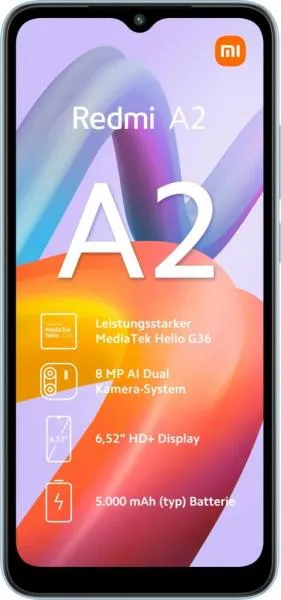
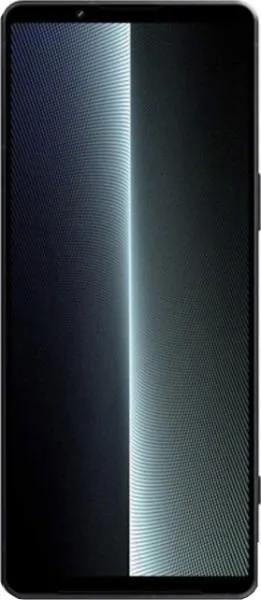
| Feature | Xiaomi Redmi A2 | Sony Xperia 1 V | Practical Impact |
|---|---|---|---|
| Design | |||
| Dimensions (mm) | 164.9 x 76.8 x 9.1 | 165 x 71 x 8.3 | Xperia 1 V is slightly narrower and thinner, potentially more comfortable for one-handed use. |
| Weight (g) | 192 | 187 | Negligible weight difference. |
| Build | Unspecified | Unspecified | Build quality and materials cannot be compared due to missing information. |
| Display | |||
| Display Type | IPS LCD | OLED | Xperia 1 V offers significantly better contrast, deeper blacks, and more vibrant colors due to OLED technology. |
| Size (inches) | 6.52 | 6.5 | Virtually identical screen sizes. |
| Resolution | 720 x 1600 | 1644 x 3840 | Xperia 1 V boasts a much sharper display with significantly higher resolution, resulting in crisper text and images. |
| Refresh Rate | Unspecified | 120Hz | Xperia 1 V's 120Hz refresh rate delivers smoother animations and scrolling compared to the Redmi A2's unspecified refresh rate (likely 60Hz). |
| PPI | 269 | 643 | Much higher pixel density on the Xperia 1 V translates to a noticeably sharper and more detailed image. |
| Performance | |||
| Chipset | Mediatek Helio G36 (12 nm) | Qualcomm Snapdragon 8 Gen 2 (4 nm) | Xperia 1 V offers significantly faster processing power, enabling smoother multitasking, faster app loading, and better gaming performance. |
| CPU | Octa-core (4x2.2 GHz Cortex-A53 & 4x1.7 GHz Cortex-A53) | Octa-core (1x3.2 GHz Cortex-X3 & 2x2.8 GHz Cortex-A715 & 2x2.8 GHz Cortex-A710 & 3x2.0 GHz Cortex-A510) | Xperia 1 V's CPU architecture is far superior, leading to a significant performance advantage in demanding tasks. |
| RAM | 2GB/3GB/4GB | 12GB | Xperia 1 V's substantially larger RAM allows for seamless multitasking and keeps more apps running in the background without performance slowdowns. |
| Camera | |||
| Rear Camera | 8MP Main + 0.3MP Auxiliary | 48MP Main + 12MP Ultrawide + 12MP Telephoto | Xperia 1 V's triple camera setup offers significantly higher resolution, versatility with ultrawide and telephoto lenses, and advanced features. |
| Front Camera | 5MP | 12MP | Xperia 1 V provides higher resolution for selfies. |
| Video | 1080p@30fps | Up to 4K@120fps with HDR, OIS, EIS | Xperia 1 V allows for much higher resolution video recording with advanced stabilization and HDR capabilities. |
| Battery | |||
| Capacity | 5000 mAh | 5000 mAh | Similar battery capacity on both phones. |
| Charging | 10W Fast Charging | 30W Fast Charging | Xperia 1 V supports significantly faster charging. |
2. Key Differences Analysis
Xiaomi Redmi A2 Advantages:
- Affordability: Significantly cheaper, making it accessible to budget-conscious buyers.
Sony Xperia 1 V Advantages:
- Superior Performance: Significantly faster processor, more RAM, smoother display. Handles demanding tasks and gaming with ease.
- High-Quality Display: OLED technology delivers vibrant colors, deep blacks, and sharp details. The 120Hz refresh rate provides a smoother user experience.
- Advanced Camera System: Versatile triple camera setup with high resolution, optical zoom, and advanced features for photography enthusiasts.
- Faster Charging: 30W fast charging significantly reduces charging time compared to the Redmi A2.
Trade-offs:
- Price: The Xperia 1 V is significantly more expensive than the Redmi A2.
3. User Profiles & Recommendations
Xiaomi Redmi A2: Ideal for users with basic smartphone needs like calling, texting, browsing, and light social media usage. Suitable for budget-conscious buyers or as a secondary device.
Sony Xperia 1 V: Ideal for power users, mobile gamers, photography enthusiasts, and content creators who demand top-tier performance, a stunning display, and advanced camera capabilities.
4. Decision Framework
Key Questions for Buyers:
- What is your budget? The Redmi A2 is a budget option, while the Xperia 1 V is a premium flagship device.
- What are your primary smartphone needs? Basic usage vs. demanding tasks, gaming, photography.
- How important is display quality and performance? The Xperia 1 V excels in these areas.
My Choice
I would choose the Sony Xperia 1 V. While significantly more expensive, it offers a vastly superior user experience in almost every aspect. The performance difference, display quality, and camera capabilities are substantial upgrades that justify the price for me. As someone who values a smooth and responsive device with a great screen and camera, the Xperia 1 V aligns better with my needs and preferences. The Redmi A2, while a decent budget option, would likely feel limiting in performance and features for my usage patterns.
