1. Specifications Comparison
| Feature | Xiaomi Redmi A2 | Samsung Galaxy S24 Ultra | Practical Impact |
|---|---|---|---|
| Design | |||
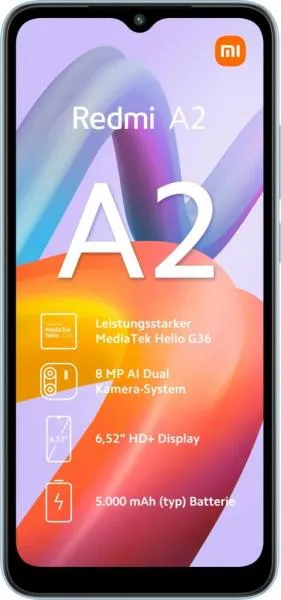
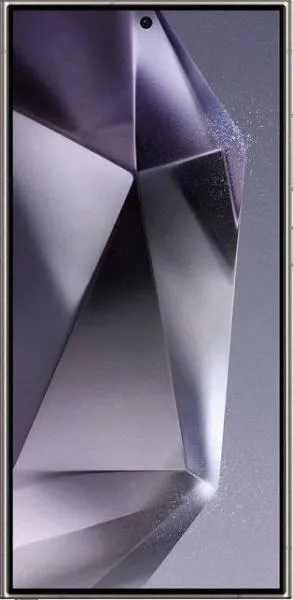
| Dimensions (mm) | 164.9 x 76.8 x 9.1 | 162.3 x 79 x 8.6 | S24 Ultra slightly shorter, wider, and thinner. Negligible difference in hand feel. |
| Weight (g) | 192 | 232 | Redmi A2 significantly lighter, reducing hand fatigue during extended use. |
| Build Material | Not specified | Not specified | Cannot compare build quality and durability. |
| Display | |||
| Display Type | IPS LCD | Dynamic LTPO AMOLED 2X | S24 Ultra offers superior contrast, deeper blacks, and potentially higher brightness with AMOLED. |
| Display Size (inches) | 6.52 | 6.8 | S24 Ultra provides a larger viewing area for media consumption. |
| Resolution (px) | 720 x 1600 | 1440 x 3120 | S24 Ultra boasts much sharper visuals due to significantly higher resolution. |
| Refresh Rate (Hz) | Not specified | 120 | S24 Ultra will have smoother animations and scrolling with its higher refresh rate. |
| Peak Brightness (nits) | 400 (typ) | 2600 (peak) | S24 Ultra will be far more visible in direct sunlight. |
| Performance | |||
| Chipset | Mediatek Helio G36 (12 nm) | Qualcomm Snapdragon 8 Gen 3 (4 nm) | S24 Ultra offers significantly faster processing speeds and better power efficiency. |
| CPU | Octa-core (4x2.2 GHz Cortex-A53 & 4x1.7 GHz Cortex-A53) | Octa-core (1x3.39GHz Cortex-X4 & 3x3.1GHz Cortex-A720 & 2x2.9GHz Cortex-A720 & 2x2.2GHz Cortex-A520) | S24 Ultra will handle demanding tasks and multitasking with ease compared to the Redmi A2. |
| RAM (GB) | 2/3 | 12 | S24 Ultra allows for seamless multitasking and app switching. |
| Camera | |||
| Rear Camera (MP) | 8 MP Main, 0.3MP Auxiliary | 200 MP Main, 12 MP Ultrawide, 50 MP Telephoto, 10MP Periscope Telephoto | S24 Ultra offers vastly superior camera capabilities with higher resolution, multiple lenses, and advanced features. |
| Front Camera (MP) | 5 MP | 12 MP | S24 Ultra enables higher quality selfies and video calls. |
| Video Recording | 1080p@30fps | Up to 8K@30fps | S24 Ultra allows for much higher resolution video recording. |
| Battery | |||
| Capacity (mAh) | 5000 | 5000 | Similar battery capacity, but real-world battery life will likely differ due to chipset efficiency. |
| Fast Charging | 10W | 45W | S24 Ultra charges significantly faster. |
2. Key Differences Analysis
Xiaomi Redmi A2 Advantages:
- Lightweight: Significantly lighter, making it more comfortable for extended use.
- Affordable: Positioned in the low price range, offering excellent value for basic smartphone needs.
Samsung Galaxy S24 Ultra Advantages:
- Flagship Performance: Top-tier processor, ample RAM, enabling smooth multitasking and demanding applications.
- Premium Display: High-resolution AMOLED display with a high refresh rate, delivering vibrant visuals and smooth interactions.
- Advanced Camera System: Versatile camera setup with high-resolution sensors and advanced features, capturing stunning photos and videos.
- Faster Charging: Significantly faster charging speeds, minimizing downtime.
3. User Profiles & Recommendations
Xiaomi Redmi A2: Budget-conscious users who prioritize basic communication (calls, texts, social media) and light web browsing. Ideal for first-time smartphone users or as a secondary device.
Samsung Galaxy S24 Ultra: Power users, content creators, mobile gamers, and photography enthusiasts. Individuals who demand top-tier performance, a premium display, and advanced camera capabilities.
4. Decision Framework
Key Questions for Buyers:
- What is your budget? The Redmi A2 is significantly more affordable.
- What are your primary smartphone usage patterns? Basic communication vs. demanding tasks, gaming, media consumption.
- How important are camera quality and display quality to you? The S24 Ultra excels in these areas.
My Choice: Samsung Galaxy S24 Ultra
While the Redmi A2 offers incredible value for its price, I would choose the Samsung Galaxy S24 Ultra. As a smartphone enthusiast and analyst, I value top-tier performance, a stunning display, and cutting-edge camera technology. The S24 Ultra's Snapdragon 8 Gen 3 processor, coupled with 12GB of RAM, ensures a smooth and responsive user experience even with demanding tasks. The brilliant AMOLED display with a 120Hz refresh rate provides a visually immersive experience. Although the price is significantly higher, the S24 Ultra provides a future-proof device capable of handling anything I throw at it. The significantly enhanced camera capabilities are also crucial for capturing high-quality photos and videos. While the Redmi A2 is a great budget option, it simply cannot compete with the S24 Ultra's comprehensive feature set and performance.
