1. Specifications Comparison
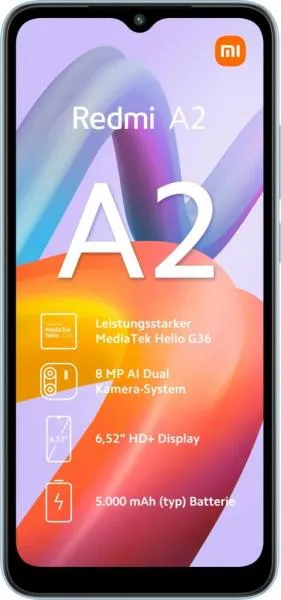
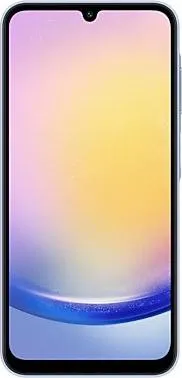
| Feature | Xiaomi Redmi A2 | Samsung Galaxy A25 | Practical Impact |
|---|---|---|---|
| Design | |||
| Dimensions (mm) | 164.9 x 76.8 x 9.1 | 161 x 76.5 x 8.3 | Galaxy A25 is slightly smaller and thinner. |
| Weight (g) | 192 | 197 | Negligible weight difference. |
| Build | Unspecified | Unspecified | Build quality and materials cannot be compared due to missing information. |
| Display | |||
| Display Type | IPS LCD | Super AMOLED | A25 offers more vibrant colors, deeper blacks, and better power efficiency. |
| Display Size (inches) | 6.52 | 6.5 | Negligible size difference. |
| Resolution | 720 x 1600 | 1080 x 2340 | A25 has a significantly sharper display (396 ppi vs 269 ppi), resulting in clearer text and images. |
| Refresh Rate | Unspecified | 120Hz | A25's 120Hz refresh rate provides smoother scrolling and animations. |
| Performance | |||
| Chipset | Mediatek Helio G36 (12 nm) | Exynos 1280 (5 nm) | A25's Exynos 1280 is significantly more powerful and efficient due to the smaller 5nm process. |
| CPU | Octa-core (4x2.2 GHz Cortex-A53 & 4x1.7 GHz Cortex-A53) | Octa-core (2x2.4 GHz Cortex-A78 & 6x2.0 GHz Cortex-A55) | A25 offers notably better CPU performance for demanding tasks and multitasking. |
| GPU | PowerVR GE8320 | Mali-G68 | A25 boasts a more capable GPU for improved gaming and graphics performance. |
| RAM | 2/3GB | 6/8GB | A25 offers significantly more RAM, enabling smoother multitasking and better performance with demanding apps. |
| OS | Android 12 | Android 14 | A25 comes with a newer Android version, potentially offering more features and longer software support. |
| Camera | |||
| Rear Camera | 8MP Main, 0.3MP unspecified | 50MP Main, 8MP Wide, 2MP Depth | A25 features a significantly more versatile and higher resolution camera system. |
| Front Camera | 5MP | 13MP | A25 provides higher resolution for selfies. |
| Video Recording | 1080p@30fps | 4K@30fps | A25 can record videos at a much higher resolution. |
| Battery | |||
| Capacity | 5000 mAh | 5000 mAh | Similar battery capacity. |
| Fast Charging | 10W | 25W | A25 supports significantly faster charging. |
2. Key Differences Analysis
Xiaomi Redmi A2 Advantages:
- Lower Price: Significantly more affordable.
Samsung Galaxy A25 Advantages:
- Superior Performance: Much faster processor, more RAM, smoother display.
- Better Display: Higher resolution, AMOLED technology, 120Hz refresh rate.
- More Versatile Camera: Higher resolution sensors, wide-angle lens, 4K video recording.
- Newer Software: Android 14 with longer potential for updates.
- NFC: Enables contactless payments and other NFC functionalities.
3. User Profiles & Recommendations
Xiaomi Redmi A2: Budget-conscious users who prioritize basic communication and light web browsing. Ideal for:
- Basic phone users: Calling, texting, and occasional internet use.
- First-time smartphone users: Simple and easy to learn.
- Secondary phone: For specific tasks like work calls.
Samsung Galaxy A25: Users who value performance, a good display, and a capable camera. Ideal for:
- Gamers: Smooth performance for mobile gaming.
- Multimedia consumers: Enjoying videos and photos on a vibrant display.
- Photography enthusiasts: Capturing high-quality photos and videos.
- Power users: Demanding tasks, multitasking, and prolonged usage.
4. Decision Framework
Key Questions:
- What is your budget? The Redmi A2 is significantly cheaper.
- What are your primary phone usage patterns? Basic communication vs. demanding tasks, multimedia consumption, gaming, photography.
- How important are features like display quality, performance, and camera capabilities?
My Choice: Samsung Galaxy A25
While the Redmi A2 offers incredible value for its price, the Galaxy A25 provides a significantly better overall user experience. The superior performance, vastly improved display, versatile camera, and newer software make it a worthwhile investment for most users. The higher price is justified by the noticeable improvements in almost every aspect. While budget is a key factor, the long-term frustration of a sluggish phone outweighs the initial cost savings for me. Features like NFC, for mobile payments, are also important for daily convenience.
