1. Specifications Comparison
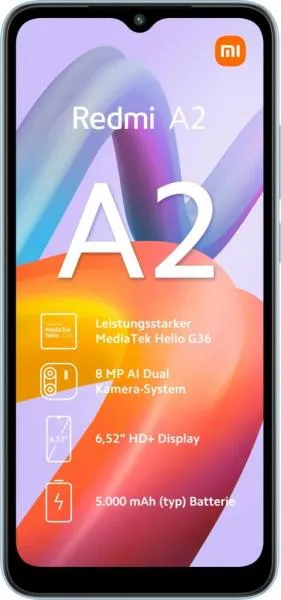
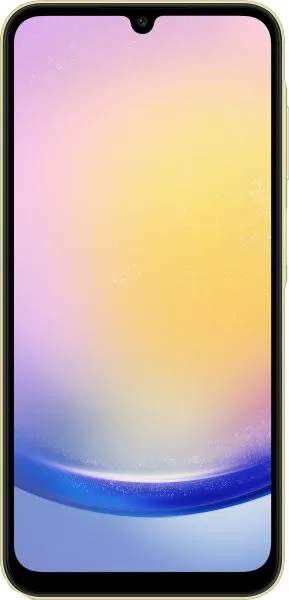
| Feature | Xiaomi Redmi A2 | Samsung Galaxy A15 5G | Practical Impact |
|---|---|---|---|
| Design | |||
| Dimensions (mm) | 164.9 x 76.8 x 9.1 | 160.1 x 76.8 x 8.4 | A15 slightly shorter and thinner. Negligible difference in daily use. |
| Weight (g) | 192 | 200 | A15 slightly heavier, but the difference is minimal. |
| Build Material | Not specified | Not specified | Cannot compare build quality without information. |
| Display | |||
| Display Type | IPS LCD | Super AMOLED | A15 offers significantly better contrast, colors, and viewing angles. |
| Display Size (inches) | 6.52 | 6.5 | Negligible size difference. |
| Resolution | 720 x 1600 | 1080 x 2340 | A15 has a much sharper display, resulting in clearer text and images. |
| Refresh Rate | Not specified | 90Hz | A15's 90Hz provides a smoother user experience, especially for scrolling and gaming. |
| Peak Brightness | 400 nits (typ) | 800 nits (HBM) | A15 is much brighter and easier to see outdoors. |
| Performance | |||
| Chipset | Mediatek Helio G36 (12 nm) | Mediatek Dimensity 6100+ (6 nm) | A15's 6nm chipset offers significantly better performance and power efficiency. |
| CPU | Octa-core (4x2.2 GHz Cortex-A53 & 4x1.7 GHz Cortex-A53) | Octa-core (2x2.2 GHz Cortex-A76 & 6x2.0 GHz Cortex-A55) | A15 has a more powerful CPU architecture, leading to faster app loading and multitasking. |
| GPU | PowerVR GE8320 | Mali-G57 MC2 | A15 provides a notably better gaming and graphics performance. |
| RAM | 2/3/4GB | 4/6/8GB | A15 offers more RAM options, improving multitasking capabilities. More RAM generally benefits performance. |
| OS | Android 12 | Android 14 | A15 comes with a newer Android version, providing access to the latest features and security updates. A15 also has confirmed future OS updates up to Android 17 |
| Camera | |||
| Rear Camera | 8MP Main + 0.3MP | 50MP Main + 5MP Wide + 2MP Macro | A15 boasts a higher resolution main sensor and versatile lens options, delivering superior image quality. |
| Front Camera | 5MP | 13MP | A15 provides higher resolution selfies. |
| Video Recording | 1080p@30fps | 1080p@30fps with EIS | Both offer basic video recording. A15 features Electronic Image Stabilization (EIS) for smoother videos. |
| Battery | |||
| Capacity | 5000 mAh | 5000 mAh | Similar battery capacity. Real-world battery life will depend on usage and optimization. |
| Charging | 10W | 25W | A15 supports significantly faster charging. |
| Other | |||
| NFC | No | Yes | A15 supports contactless payments and data transfer. |
| USB Type | microUSB 2.0 | USB Type-C 2.0 | A15 uses the modern and reversible USB-C standard. |
| Price Range | Low | Medium | Significant price difference reflects the performance and feature gap. |
2. Key Differences Analysis
Xiaomi Redmi A2 Advantages:
- Lower Price: Significantly more affordable.
Samsung Galaxy A15 5G Advantages:
- Superior Performance: Much faster processor, more RAM, and a smoother display.
- Better Display: Higher resolution, AMOLED technology, brighter, 90Hz refresh rate.
- Enhanced Camera: Higher resolution sensors, versatile lenses, EIS for video.
- More Features: NFC, USB-C, newer Android version with longer update support.
- Faster Charging: 25W vs 10W.
Trade-offs:
- Redmi A2: Sacrifices performance, features, and display quality for affordability.
- Galaxy A15: Higher price for significantly improved overall experience.
3. User Profiles & Recommendations
Redmi A2: Budget-conscious users who prioritize basic communication and light usage (calls, texts, browsing).
Galaxy A15: Users who value performance, a quality display, a good camera, and modern features like NFC and faster charging. Suitable for gaming, media consumption, and multitasking.
4. Decision Framework
Key Questions:
- What is your budget?
- What are your primary smartphone usage patterns?
- Which features are most important to you?
Scenario-Based Recommendations:
- Tight Budget, Basic Usage: Redmi A2
- Balanced Budget, Everyday Use: Galaxy A15
- Prioritize Performance and Features: Galaxy A15
My Choice: Samsung Galaxy A15 5G
While the Redmi A2 offers an incredibly low price point, the Galaxy A15 5G provides a significantly better overall user experience. The superior display, performance, camera, and features like NFC and faster charging outweigh the price difference for me. The longer software support also ensures a longer usable life for the device. The A15 would be a much more future-proof choice. While budget is a major factor for many, the performance and feature disparity makes the A15 the better overall value in my opinion.
