1. Specifications Comparison
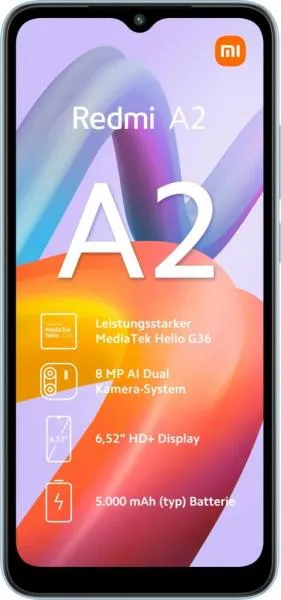
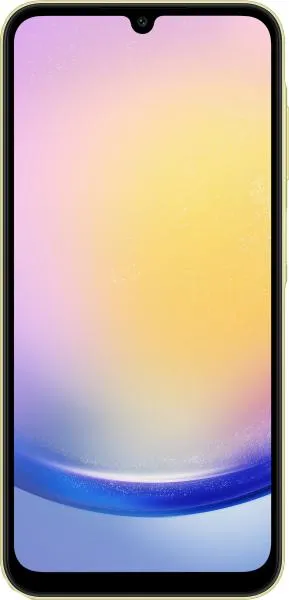
| Feature | Xiaomi Redmi A2 | Samsung Galaxy A15 | Practical Impact |
|---|---|---|---|
| Design | |||
| Dimensions (mm) | 164.9 x 76.8 x 9.1 | 160.1 x 76.8 x 8.4 | A15 slightly shorter and thinner. Negligible difference in daily use. |
| Weight (g) | 192 | 200 | A15 slightly heavier, but the difference is minimal. |
| Build | Unspecified | Unspecified | Build quality and materials cannot be compared due to lack of information. |
| Display | |||
| Display Type | IPS LCD | Super AMOLED | A15 offers significantly better contrast, colors, and viewing angles thanks to AMOLED technology. |
| Display Size (inches) | 6.52 | 6.5 | Virtually identical screen sizes. |
| Resolution | 720 x 1600 | 1080 x 2340 | A15 boasts much sharper visuals due to higher resolution (HD+ vs. FHD+). |
| Refresh Rate | Unspecified | 90Hz | A15's 90Hz refresh rate delivers smoother scrolling and animations. Redmi A2's refresh rate is unknown, likely 60Hz. |
| Peak Brightness (nits) | 400 (typ) | 800 (HBM) | A15 offers much better visibility in bright sunlight. |
| Performance | |||
| Chipset | Mediatek Helio G36 (12 nm) | Mediatek Helio G99 (6 nm) | A15's G99 processor is significantly more powerful and efficient due to smaller node size. |
| CPU | Octa-core (4x2.2 GHz Cortex-A53 & 4x1.7 GHz Cortex-A53) | Octa-core (2x2.2 GHz Cortex-A76 & 6x2.0 GHz Cortex-A55) | A15 has a more modern and powerful CPU architecture, resulting in noticeably faster performance. |
| GPU | PowerVR GE8320 | Mali-G57 MC2 | A15's GPU is more powerful, enabling better gaming performance and smoother graphics rendering. |
| RAM | 2/3 GB | 4/6/8 GB | A15 offers more RAM options, providing better multitasking and overall system responsiveness. |
| OS | Android 12 | Android 14 | A15 comes with a newer Android version, offering potential feature and security advantages. A15 also has guaranteed OS updates to Android 17. |
| Camera | |||
| Rear Camera | 8MP Main, 0.3MP unspecified | 50MP Main, 5MP Wide, 2MP Macro | A15 offers a significantly more versatile camera system with higher resolution and a dedicated wide-angle lens. |
| Front Camera | 5MP | 13MP | A15 boasts a higher resolution selfie camera. |
| Video Recording | 1080p@30fps | 1080p@30fps | Similar video recording capabilities on paper, but A15's superior processing power may result in better video quality. A15 also lists slow-motion video at 240fps. |
| Battery | |||
| Capacity | 5000 mAh | 5000 mAh | Identical battery capacities. |
| Charging | 10W | 25W | A15 supports significantly faster charging. |
2. Key Differences Analysis
Xiaomi Redmi A2 Advantages:
- Lower Price: Significantly more affordable.
Samsung Galaxy A15 Advantages:
- Superior Display: AMOLED technology, higher resolution, 90Hz refresh rate, higher brightness.
- Significantly Better Performance: Faster processor, more RAM, newer Android version with longer update support.
- More Versatile Camera System: Higher resolution main camera, dedicated wide-angle lens, better selfie camera.
- Faster Charging: 25W fast charging vs. 10W.
- NFC: Enables contactless payments and other NFC functionalities.
3. User Profiles & Recommendations
Xiaomi Redmi A2:
- Ideal User: Budget-conscious users who prioritize basic communication and light web browsing.
- Use Cases: Calling, texting, social media browsing, basic app usage.
Samsung Galaxy A15:
- Ideal User: Users seeking a well-rounded smartphone with a good display, performance, camera, and modern features.
- Use Cases: Gaming, media consumption, mobile photography, multitasking, demanding applications.
4. Decision Framework
Key Questions for Buyers:
- What is your budget? The Redmi A2 is significantly cheaper.
- What are your primary smartphone usage patterns? For basic tasks, the Redmi A2 might suffice. For demanding tasks, the A15 is necessary.
- Which features are most important to you? Prioritize display quality, performance, camera, or battery life based on your needs.
My Choice: Samsung Galaxy A15
While the Redmi A2 offers an incredibly low price, the compromises in performance, display, and features are significant. The Samsung Galaxy A15 provides a vastly superior user experience with its modern processor, beautiful AMOLED display, versatile camera system, and faster charging. The price difference is justified by the significant leap in quality and functionality. Even though specific RAM and storage configurations weren't specified for price comparison, the A15 is a better long-term investment due to its better performance and longer software support. For the average user, the A15 will provide a more enjoyable and frustration-free experience.
