1. Specifications Comparison
| Feature | Xiaomi Redmi A2 | Nothing Phone (2) | Practical Impact |
|---|---|---|---|
| Design | |||
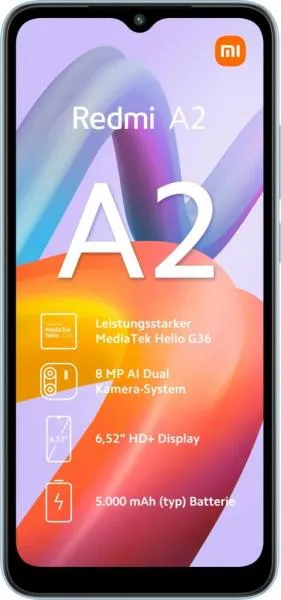
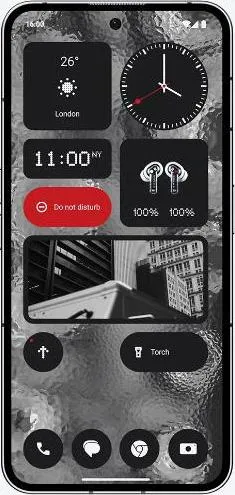
| Dimensions (mm) | 164.9 x 76.8 x 9.1 | 162.1 x 76.4 x 8.6 | Nothing Phone (2) is slightly smaller and thinner. |
| Weight (g) | 192 | 201.2 | Negligible weight difference in real-world usage. |
| Build Materials | N/A | N/A | Build quality and durability cannot be compared without further information. |
| Display | |||
| Size (inches) | 6.52 | 6.7 | Slightly larger screen on Nothing Phone (2) offers a more immersive experience. |
| Resolution (px) | 720 x 1600 | 1080 x 2412 | Significantly sharper and more detailed display on Nothing Phone (2). Impacts clarity of text, images, and videos. |
| Type | IPS LCD | LTPO OLED | OLED offers superior contrast, deeper blacks, and potentially better power efficiency due to individual pixel illumination. |
| Refresh Rate (Hz) | N/A | 120 | 120Hz on Nothing Phone (2) results in much smoother animations, scrolling, and gaming experience compared to a standard 60Hz likely on Redmi A2. |
| Peak Brightness | 400 nits (typ) | 1600 nits (peak) | Nothing Phone (2) is significantly brighter, making it more usable outdoors in direct sunlight. |
| Performance | |||
| Chipset | Helio G36 | Snapdragon 8+ Gen 1 | Massive performance difference. Snapdragon 8+ Gen 1 is a flagship chip offering significantly faster processing, smoother gaming, and multitasking. |
| CPU | Octa-core | Octa-core | Core architecture and clock speeds differ significantly, favoring the Nothing Phone (2) for demanding tasks. |
| GPU | PowerVR GE8320 | Adreno 730 | Adreno 730 offers significantly better graphics performance for gaming and other visually intensive tasks. |
| RAM | 2/3GB | 8/12GB | More RAM on Nothing Phone (2) allows for smoother multitasking and handling more demanding applications. |
| Camera | |||
| Rear Camera | 8MP | 50MP + 50MP | Higher resolution and dual camera setup on Nothing Phone (2) likely offer better image quality, versatility, and low-light performance. |
| Front Camera | 5MP | 32MP | Higher resolution front camera on Nothing Phone (2) will produce better selfies. |
| Video Recording | 1080p@30fps | 4K@60fps | Nothing Phone (2) can record significantly higher resolution video at higher frame rates. |
| Battery | |||
| Capacity (mAh) | 5000 | 4700 | Slightly larger battery on Redmi A2. However, real-world battery life depends on numerous factors, including display and processor efficiency. |
| Charging | 10W | 45W | Significantly faster charging on Nothing Phone (2). |
2. Key Differences Analysis
Xiaomi Redmi A2 Advantages:
- Lower Price: Significantly more affordable.
- Potentially Longer Battery Life: Larger battery capacity might result in longer usage time, though this depends on usage patterns.
Nothing Phone (2) Advantages:
- Significantly More Powerful: Far superior processor, GPU, and RAM for demanding tasks and gaming.
- Much Better Display: Higher resolution, OLED technology, 120Hz refresh rate for a superior visual experience.
- Faster Charging: 45W fast charging significantly reduces charging time.
- Better Cameras: Higher resolution sensors and more versatile camera system.
- More Features: NFC, more up-to-date OS with longer support, and potentially better build quality.
3. User Profiles & Recommendations
Xiaomi Redmi A2: Budget-conscious users who prioritize basic functionality: calling, texting, browsing, and light social media usage.
Nothing Phone (2): Users who demand high performance, a premium display, excellent cameras, and fast charging. Suitable for gaming, content creation, and heavy multitasking.
4. Decision Framework
Key Questions for Buyers:
- What is your budget? The Redmi A2 is a budget option, while the Nothing Phone (2) is a mid-range device.
- What are your primary use cases? Basic tasks vs. demanding applications and gaming.
- How important is display quality and performance? The Nothing Phone (2) significantly outperforms the Redmi A2 in these areas.
My Choice: Nothing Phone (2)
While the Redmi A2 offers an incredibly low price point, the Nothing Phone (2) provides a vastly superior user experience in almost every aspect. The performance difference alone is significant enough to justify the price difference for most users beyond those strictly seeking the absolute cheapest option. The superior display, faster charging, better cameras, and inclusion of NFC further solidify the Nothing Phone (2) as the better overall device for a broader range of users. The longer software support window also ensures a longer lifespan for the device. While battery life is a concern, the significantly faster charging mitigates this to a degree. The Redmi A2 makes sense only for the extremely budget-conscious who prioritize basic communication and light usage above all else.
