1. Specifications Comparison
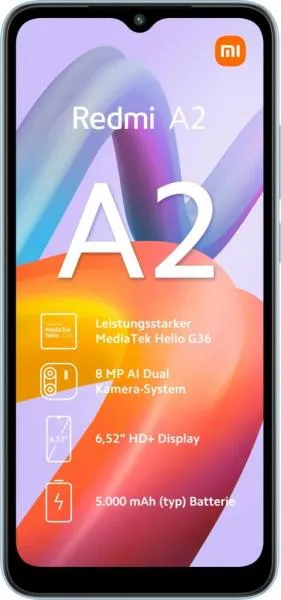
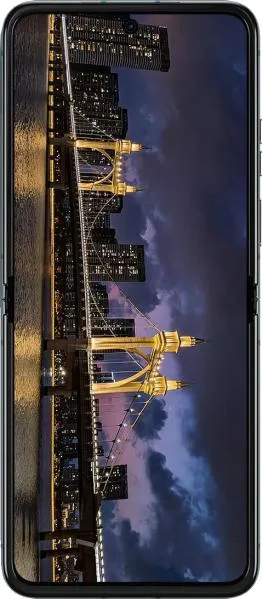
| Feature | Xiaomi Redmi A2 | Motorola Razr 40 Ultra | Practical Impact |
|---|---|---|---|
| Design | |||
| Dimensions (mm) | 164.9 x 76.8 x 9.1 | 170.8 x 74 x 7 | Razr 40 Ultra is significantly thinner and slightly narrower, but taller due to its foldable design. Redmi A2 is larger and thicker. |
| Weight (g) | 192 | 184.5 | Razr 40 Ultra is surprisingly lighter despite its complex folding mechanism. |
| Foldable | No | Yes | Razr 40 Ultra offers a compact folded size for pocketability and a larger screen when unfolded. |
| Display | |||
| Display Type | IPS LCD | Foldable LTPO AMOLED | Razr 40 Ultra boasts superior contrast, vibrant colors, and power efficiency due to AMOLED and LTPO technology. Redmi A2's LCD is less impressive. |
| Display Size (inches) | 6.52 | 6.9 | Razr 40 Ultra provides a larger screen real estate for media consumption and multitasking. |
| Resolution | 720 x 1600 | 1080 x 2640 | Razr 40 Ultra offers significantly sharper visuals due to higher resolution. Redmi A2's display will appear pixelated in comparison. |
| Refresh Rate (Hz) | Not specified | 165 | Razr 40 Ultra will provide a much smoother user experience, especially in gaming and scrolling, thanks to its high refresh rate. We lack data for the Redmi A2. |
| Peak Brightness (nits) | 400 (typical) | 1400 (peak) | Razr 40 Ultra will be much more readable in direct sunlight. Redmi A2's typical brightness suggests potential struggles outdoors. We only have typical brightness for Redmi A2, not peak. |
| Performance | |||
| Chipset | Mediatek Helio G36 (12 nm) | Qualcomm Snapdragon 8+ Gen 1 (4 nm) | Razr 40 Ultra offers vastly superior performance and power efficiency due to its flagship Snapdragon chip. Redmi A2 is a budget option with limited processing power. |
| CPU | Octa-core (4x2.2 GHz Cortex-A53 & 4x1.7 GHz Cortex-A53) | Octa-core (1x3.19 GHz Cortex-X2 & 3x2.75 GHz Cortex-A710 & 4x1.80 GHz Cortex-A510) | Razr 40 Ultra's CPU architecture is significantly more powerful, enabling seamless multitasking and demanding applications. |
| GPU | PowerVR GE8320 | Adreno 730 | Razr 40 Ultra's GPU is significantly more capable for gaming and graphics-intensive tasks. |
| RAM | 2/3GB | 8/12GB | Razr 40 Ultra offers much more RAM for smooth multitasking and keeping apps open in the background. Redmi A2 may struggle with multiple apps. |
| Camera | |||
| Main Camera | 8 MP | 12 MP | While megapixels aren't everything, the Razr 40 Ultra likely offers better image quality due to a larger sensor and superior processing capabilities. Information regarding sensor size and other details are missing for both. |
| Selfie Camera | 5 MP | 32 MP | Razr 40 Ultra boasts a much higher resolution selfie camera. |
| Video Recording | 1080p@30fps | Up to 4K@60fps | Razr 40 Ultra can record much higher resolution videos with more detail and smoother frame rates. |
| Battery | |||
| Capacity (mAh) | 5000 | 3800 | Redmi A2 has a larger battery capacity, potentially offering longer battery life despite its less efficient display. Razr's foldable design and powerful processor might drain the battery faster. |
| Fast Charging | 10W | 30W | Razr 40 Ultra supports much faster charging. |
2. Key Differences Analysis
Xiaomi Redmi A2 Advantages:
- Lower Price: Significantly more affordable.
- Larger Battery: Potentially longer battery life.
Motorola Razr 40 Ultra Advantages:
- Significantly More Powerful: Superior performance for demanding tasks and gaming.
- Higher Quality Display: Foldable AMOLED with higher resolution, refresh rate, and brightness.
- Premium Design: Slim, foldable design with a more modern aesthetic.
- Faster Charging: Significantly reduced charging times.
- Better Cameras: Higher resolution sensors and more advanced features.
- 5G Connectivity: Offers faster mobile data speeds. Redmi A2 lacks 5G.
- More RAM: Enabling better multitasking.
Trade-offs:
- Price vs. Performance: Redmi A2 sacrifices performance for affordability. Razr 40 Ultra prioritizes performance at a premium price.
- Battery Life vs. Functionality: Redmi A2 may offer longer battery life, but Razr 40 Ultra offers a more advanced and power-hungry feature set.
3. User Profiles & Recommendations
Xiaomi Redmi A2:
- Budget-conscious users: Prioritizing affordability over performance and features.
- Basic phone users: Primarily using their phone for calling, texting, and light web browsing.
Motorola Razr 40 Ultra:
- Tech enthusiasts: Seeking cutting-edge technology and premium features.
- Power users: Demanding high performance for gaming, multitasking, and content creation.
- Users who value portability and a large screen: Benefiting from the foldable design.
4. Decision Framework
Key Questions for Buyers:
- What is your budget? The price difference is substantial.
- What are your primary phone usage needs? Basic communication vs. demanding tasks and entertainment.
- Do you prioritize portability and a large screen, or a longer battery life?
Scenario-Based Recommendations:
- Limited budget, basic usage: Redmi A2
- Demanding tasks, premium experience: Razr 40 Ultra
- Portability and large screen are crucial: Razr 40 Ultra
- Longest possible battery life on a budget: Redmi A2
My Choice: Motorola Razr 40 Ultra
While the Redmi A2 is a compelling budget option, the Motorola Razr 40 Ultra is my choice. I prioritize performance, a high-quality display, and innovative design. The foldable form factor, powerful Snapdragon chip, stunning AMOLED screen, and fast charging outweigh the higher price and smaller battery capacity for my usage. I am willing to compromise on battery life for a significantly enhanced user experience and the cutting-edge technology offered by the Razr 40 Ultra. The Redmi A2 feels too compromised in performance and features in comparison.
