1. Specifications Comparison
| Feature | Xiaomi Redmi A2 | Motorola Edge 50 Neo | Practical Impact |
|---|---|---|---|
| Design | |||
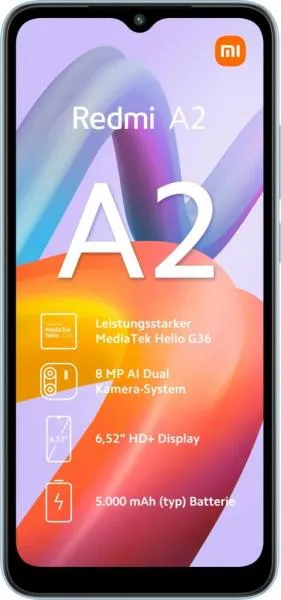
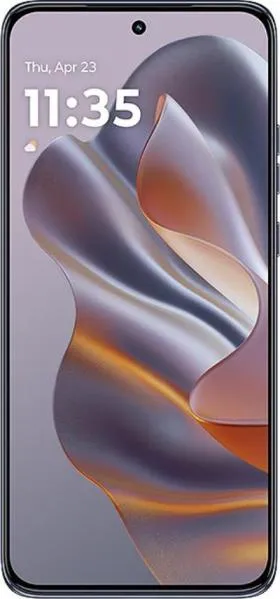
| Dimensions (mm) | 164.9 x 76.8 x 9.1 | 154.1 x 71.2 x 8.1 | Edge 50 Neo is noticeably more compact and might feel better in hand. |
| Weight (g) | 192 | 171 | Edge 50 Neo is lighter, enhancing portability. |
| Build Materials | Not specified | Not specified | Cannot compare build quality and durability without more information. |
| Display | |||
| Display Type | IPS LCD | LTPO P-OLED | Edge 50 Neo offers superior contrast, deeper blacks, and potentially better power efficiency due to LTPO. |
| Display Size (inches) | 6.52 | 6.4 | Negligible size difference. |
| Resolution | 720 x 1600 | 1256 x 2760 | Edge 50 Neo boasts significantly sharper visuals due to much higher resolution. |
| Refresh Rate | Not specified | 120Hz | Edge 50 Neo provides smoother animations and scrolling with its high refresh rate. |
| Peak Brightness | 400 nits (typ) | 3000 nits (peak) | Edge 50 Neo will be far more visible in direct sunlight. |
| Performance | |||
| Chipset | Mediatek Helio G36 (12 nm) | Mediatek Dimensity 7300 (4 nm) | Edge 50 Neo offers significantly better performance and efficiency due to a more advanced and smaller node size chipset. |
| CPU | Octa-core (4x2.2 GHz Cortex-A53 & 4x1.7 GHz Cortex-A53) | Octa-core (4x2.5 GHz Cortex-A78 & 4x2.0 GHz Cortex-A55) | Edge 50 Neo will handle demanding tasks and multitasking much more effectively. |
| RAM | 2/3/4GB | 8/12GB | Edge 50 Neo provides significantly more RAM for smoother multitasking and app switching. |
| Storage | 32/64GB | 256/512GB | Edge 50 Neo offers significantly more storage for apps, photos, and videos. |
| Camera | |||
| Rear Camera | 8MP Main, 0.3MP Auxiliary | 50MP Main, 13MP Wide, 10MP Telephoto | Edge 50 Neo has a vastly superior camera system with higher resolution, versatile lenses (wide and telephoto), and likely better image quality. |
| Front Camera | 5MP | 32MP | Edge 50 Neo offers much higher resolution for selfies. |
| Video Recording | 1080p@30fps | Up to 4K@30fps | Edge 50 Neo supports higher resolution video recording. |
| Battery | |||
| Capacity | 5000 mAh | 4310 mAh | Redmi A2 has a larger battery capacity, but real-world battery life depends on other factors like display and chipset efficiency. |
| Charging | 10W | 68W wired, 15W wireless | Edge 50 Neo charges significantly faster and offers wireless charging. |
2. Key Differences Analysis
Redmi A2 Advantages:
- Larger Battery Capacity: Potentially longer battery life, but this needs real-world testing to confirm due to the less efficient display and chipset.
- Lower Price: Significantly more affordable.
Edge 50 Neo Advantages:
- Superior Performance: Much faster and more responsive due to a more powerful processor, more RAM, and a more efficient chipset.
- Higher Quality Display: Sharper, brighter, and smoother display with better color reproduction.
- Versatile Camera System: Higher resolution sensors, multiple lenses including wide and telephoto, and better video recording capabilities.
- Faster Charging and Wireless Charging: Significantly faster charging speeds and the convenience of wireless charging.
- More Modern Features: NFC for mobile payments, newer Android version with longer support, and 5G connectivity.
3. User Profiles & Recommendations
Redmi A2: Budget-conscious users who prioritize basic communication (calls, texts, browsing) and long battery life. Ideal for:
- Basic phone users: Individuals who primarily use their phone for calling, texting, and light web browsing.
- Students or seniors: Users who need a simple and affordable device.
Edge 50 Neo: Users who value performance, a high-quality display, a versatile camera, and modern features. Ideal for:
- Power users: Individuals who multitask heavily, play mobile games, or consume media on their phone.
- Photography enthusiasts: Users who frequently take photos and videos.
- Tech-savvy users: Individuals who want the latest features and performance.
4. Decision Framework
Key Questions for Buyers:
- What is your budget? The Redmi A2 is significantly cheaper.
- What are your primary phone usage patterns? Basic communication vs. demanding tasks, gaming, media consumption.
- Which features are most important to you? Battery life, performance, camera quality, display quality, charging speed.
My Choice: Motorola Edge 50 Neo
While the Redmi A2 offers excellent value for its price, the Motorola Edge 50 Neo is the superior phone overall. The significantly improved performance, display quality, camera versatility, faster charging, and modern features like 5G and NFC outweigh the larger battery capacity and lower price of the Redmi A2 for me. The Edge 50 Neo provides a much more well-rounded and future-proof experience. The price difference is substantial, but the performance and feature gap is even more significant. Even though the Redmi A2 boasts a larger battery, the Edge 50 Neo's more efficient chipset and display could result in comparable real-world battery life. Ultimately, I prioritize a smooth and enjoyable user experience over marginal gains in battery capacity.
