1. Specifications Comparison
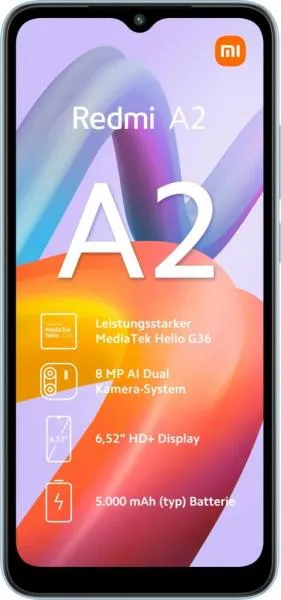
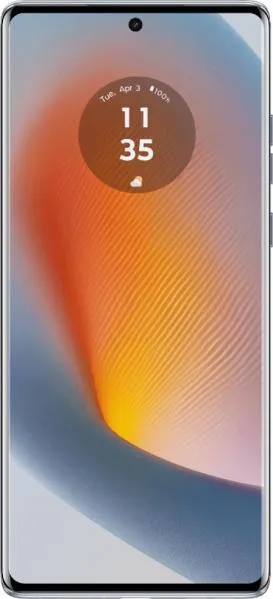
| Feature | Xiaomi Redmi A2 | Motorola Edge 50 Fusion | Practical Impact |
|---|---|---|---|
| Design | |||
| Dimensions (mm) | 164.9 x 76.8 x 9.1 | 161.9 x 73.1 x 7.9 | Edge 50 Fusion is slightly smaller and thinner. |
| Weight (g) | 192 | 174.9 | Edge 50 Fusion is noticeably lighter. |
| Build | Unspecified | Unspecified | Build material impacts durability and premium feel; information lacking for both. |
| Display | |||
| Display Type | IPS LCD | P-OLED | P-OLED offers deeper blacks, more vibrant colors, and potentially better power efficiency. |
| Display Size (inches) | 6.52 | 6.7 | Edge 50 Fusion has a slightly larger display. |
| Resolution | 720 x 1600 | 1080 x 2400 | Edge 50 Fusion has a significantly sharper and more detailed display. |
| Refresh Rate | Unspecified | 120Hz (LATAM), 144Hz (INT) | Edge 50 Fusion's high refresh rate delivers smoother scrolling and animations. |
| Performance | |||
| Chipset | Mediatek Helio G36 (12 nm) | Qualcomm Snapdragon 7s Gen 2 (4 nm) | Edge 50 Fusion's chipset is significantly more powerful and efficient. |
| CPU | Octa-core (4x2.2 GHz Cortex-A53 & 4x1.7 GHz Cortex-A53) | Octa-core (4x2.40 GHz Cortex-A78 & 4x1.95 GHz Cortex-A55) | Edge 50 Fusion will offer much better performance in demanding tasks and multitasking. |
| RAM | 2/3/4GB | 8/12GB | Edge 50 Fusion offers significantly more RAM, enabling smoother multitasking and better performance with demanding apps. |
| Storage | 32/64GB | 128/256/512GB | Edge 50 Fusion provides much more storage for apps, photos, and videos. |
| Camera | |||
| Main Camera | 8MP | 50MP | Edge 50 Fusion's higher resolution main camera potentially captures more detailed photos. |
| Front Camera | 5MP | 32MP | Edge 50 Fusion offers significantly better selfie camera resolution. |
| Video Recording | 1080p@30fps | Up to 4K@30fps | Edge 50 Fusion supports higher resolution video recording. |
| Battery | |||
| Capacity | 5000 mAh | 5000 mAh | Both phones have the same battery capacity. |
| Fast Charging | 10W | 68W | Edge 50 Fusion charges significantly faster. |
2. Key Differences Analysis
Xiaomi Redmi A2 Advantages:
- Lower Price: Significantly more affordable.
Motorola Edge 50 Fusion Advantages:
- Superior Performance: Much more powerful processor and ample RAM for smooth multitasking and demanding applications.
- Better Display: Higher resolution, refresh rate, and OLED technology offer a far superior visual experience.
- Faster Charging: Significantly faster charging speeds minimize downtime.
- More Storage: Provides ample storage space for apps, media, and files.
- Better Camera System: Higher resolution sensors and features like OIS potentially result in better quality photos and videos.
- More Modern Connectivity: Includes NFC, 5G connectivity, USB Type-C, and the latest Bluetooth version.
3. User Profiles & Recommendations
Xiaomi Redmi A2: Suitable for budget-conscious users who prioritize basic communication and light tasks like web browsing and social media. Good for:
- First-time smartphone users
- Users with limited budgets
- Individuals who primarily use their phones for calling and texting
Motorola Edge 50 Fusion: Ideal for users who demand a smooth and powerful smartphone experience for gaming, multitasking, media consumption, and photography. Good for:
- Power users
- Mobile gamers
- Photography enthusiasts
- Users who value a premium display experience
4. Decision Framework
Key Questions for Buyers:
- What is your budget? The Redmi A2 is a budget option, while the Edge 50 Fusion is a mid-range device.
- What are your primary smartphone usage patterns? Basic communication vs. demanding apps and gaming.
- Which features are most important to you? Display quality, performance, camera, battery life, charging speed.
My Choice: Motorola Edge 50 Fusion
While the Redmi A2 provides incredible value for its low price, the Motorola Edge 50 Fusion is the superior device in almost every aspect. Its significantly better performance, display, camera, and charging speed justify the higher price for most users. The smoother user experience provided by the faster processor, higher refresh rate display, and ample RAM would be noticeable in daily use. While the Redmi A2 caters to a specific niche of budget-conscious buyers, the Edge 50 Fusion provides a well-rounded experience for a broader range of users. The longevity offered by the Edge 50 Fusion due to its superior hardware and software support also makes it a more future-proof investment.
