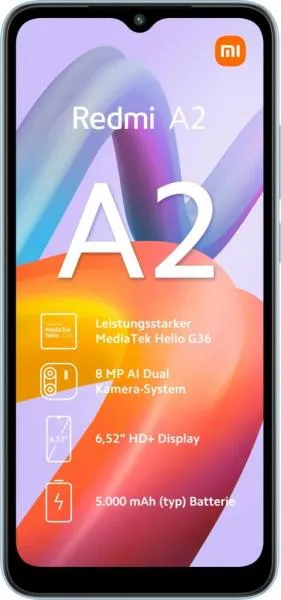
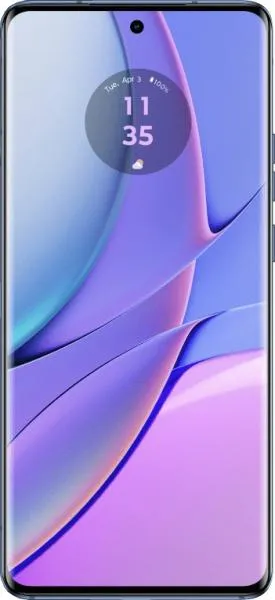
1. Specifications Comparison
| Feature | Xiaomi Redmi A2 | Motorola Edge 40 | Practical Impact |
|---|---|---|---|
| Design | |||
| Dimensions (mm) | 164.9 x 76.8 x 9.1 | 158.4 x 72 x 7.6 | Edge 40 is noticeably thinner and slightly smaller, making it more pocketable and premium feeling. |
| Weight (g) | 192 | 167 | Edge 40 is significantly lighter, enhancing one-handed use and reducing fatigue. |
| Build | Unspecified | Unspecified | Material differences impact durability and premium feel; information is lacking for a complete comparison. |
| Display | |||
| Display Type | IPS LCD | P-OLED | Edge 40's OLED offers deeper blacks, higher contrast, and potentially better power efficiency. |
| Size (inches) | 6.52 | 6.55 | Negligible size difference. |
| Resolution | 720 x 1600 | 1080 x 2400 | Edge 40 boasts much sharper visuals due to higher resolution, impacting clarity and media consumption. |
| Refresh Rate | Unspecified | 144Hz | Edge 40's high refresh rate delivers smoother animations and scrolling, improving responsiveness and gaming experience. |
| Peak Brightness | 400 nits (typ) | 1200 nits (peak) | Edge 40 is significantly brighter, ensuring better visibility outdoors and in direct sunlight. |
| Performance | |||
| Chipset | Mediatek Helio G36 (12 nm) | Mediatek Dimensity 8020 (6 nm) | Edge 40's Dimensity 8020 offers significantly better performance in demanding tasks, gaming, and multitasking due to its more advanced architecture and manufacturing process. |
| CPU | Octa-core (4x2.2 GHz Cortex-A53 & 4x1.7 GHz Cortex-A53) | Octa-core (4x2.6 GHz Cortex-A78 & 4x2.0 GHz Cortex-A55) | Edge 40's CPU features faster and more efficient cores, leading to a noticeable performance gap. |
| RAM | 2/3GB | 8GB | Edge 40's larger RAM enables smoother multitasking and app switching. Redmi A2's lower RAM may lead to performance bottlenecks with multiple apps. |
| Camera | |||
| Main Camera | 8MP | 50MP | Edge 40's 50MP sensor offers significantly higher resolution, potentially capturing more detail and allowing for better cropping. |
| Ultrawide | 0.3MP (Auxiliary, questionable utility) | 13MP | Edge 40 provides a usable ultrawide camera for wider shots, while Redmi A2's auxiliary lens has limited practical value. |
| Selfie Camera | 5MP | 32MP | Edge 40 offers much higher resolution for selfies. |
| Video Recording | 1080p@30fps | Up to 4K@30fps | Edge 40 supports higher resolution video recording for more detailed videos. |
| Battery | |||
| Capacity | 5000 mAh | 4400 mAh | Redmi A2 has a larger battery capacity, potentially offering longer battery life. |
| Charging | 10W | 68W | Edge 40 supports significantly faster charging, minimizing downtime. |
2. Key Differences Analysis
Xiaomi Redmi A2 Advantages:
- Potentially longer battery life: The larger 5000mAh battery might last longer on a single charge, appealing to users who prioritize endurance.
- Lower price: The Redmi A2 is significantly cheaper, making it accessible to budget-conscious buyers.
Motorola Edge 40 Advantages:
- Superior Performance: Significantly faster processor, more RAM, and a higher refresh rate display result in a smoother and more responsive user experience.
- Higher Quality Display: The OLED display offers richer colors, deeper blacks, and better outdoor visibility.
- Faster Charging: 68W fast charging drastically reduces charging time compared to the Redmi A2's 10W.
- Better Camera System: Higher resolution sensors, OIS, and 4K video recording capabilities provide a significantly better photography and videography experience.
- More Premium Design: Thinner, lighter, and likely with better build materials (although unspecified).
3. User Profiles & Recommendations
Xiaomi Redmi A2: Ideal for users with basic needs like calling, texting, and light web browsing. Best suited for budget-conscious buyers who prioritize battery life above all else.
Motorola Edge 40: Suitable for users who demand performance, a high-quality display, and a capable camera system. Ideal for gaming, media consumption, and photography enthusiasts.
4. Decision Framework
Key Questions:
- What is your budget? The Redmi A2 is a budget option, while the Edge 40 is a mid-range device.
- What are your primary use cases? Basic tasks vs. demanding applications, gaming, photography.
- Which features are most important to you? Battery life, performance, display quality, camera capabilities.
My Choice: Motorola Edge 40
While the Redmi A2 offers a larger battery and a lower price, the Motorola Edge 40 provides a significantly better overall user experience. The performance difference is substantial, and the superior display, camera, and faster charging make it a much more versatile device. The price difference is justifiable considering the significant upgrades. For my needs, performance, a good display, and a decent camera are more important than maximizing battery life, making the Edge 40 the clear winner.
