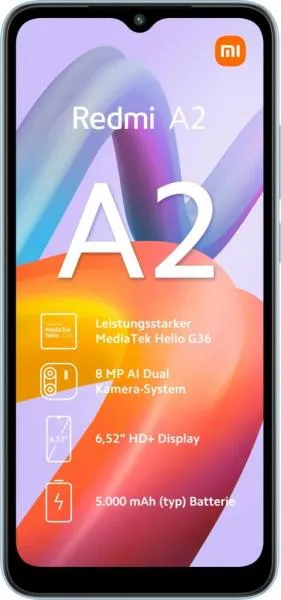
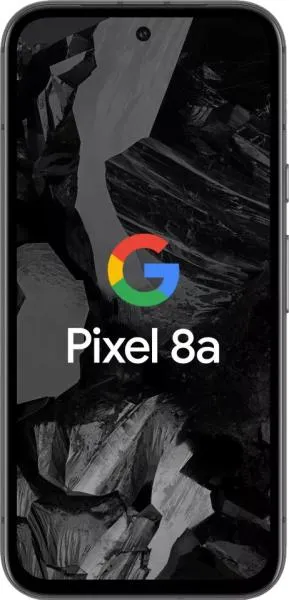
1. Specifications Comparison
| Feature | Xiaomi Redmi A2 | Google Pixel 8a | Practical Impact |
|---|---|---|---|
| Design | |||
| Dimensions (mm) | 164.9 x 76.8 x 9.1 | 152.1 x 72.7 x 8.9 | Pixel 8a is noticeably smaller and slightly thinner, making it more pocketable and easier to handle one-handed. |
| Weight (g) | 192 | 188 | The weight difference is negligible in real-world use. |
| Build Material | N/A | N/A | Missing information prevents comparison. Assuming plastic for Redmi A2 given price range and metal/glass for Pixel 8a based on typical Google design. |
| Display | |||
| Display Type | IPS LCD | OLED | Pixel 8a's OLED offers deeper blacks, higher contrast, and potentially better power efficiency. Redmi A2's LCD might be brighter in direct sunlight. |
| Size (inches) | 6.52 | 6.1 | Redmi A2 offers a larger screen for media consumption, while Pixel 8a prioritizes one-handed usability. |
| Resolution | 720 x 1600 | 1080 x 2400 | Pixel 8a boasts significantly sharper visuals due to higher resolution and pixel density (430 ppi vs 269 ppi). Text and images will appear crisper on the Pixel 8a. |
| Refresh Rate | N/A | 120Hz | Pixel 8a's 120Hz refresh rate results in smoother animations and scrolling, leading to a more fluid user experience. |
| Performance | |||
| Chipset | Helio G36 (12nm) | Tensor G3 (4nm) | Pixel 8a's Tensor G3 offers vastly superior performance and AI capabilities due to a more advanced architecture and manufacturing process. |
| CPU | Octa-core | Nona-core | Pixel 8a's CPU provides significantly faster processing power for demanding tasks and multitasking. |
| RAM | 2/3GB | 8GB | Pixel 8a's significantly larger RAM enables smoother multitasking and better performance with demanding apps. Redmi A2 might experience slowdowns with heavy usage. |
| Camera | |||
| Rear Camera | 8MP | 64MP + 13MP | Pixel 8a has a much higher resolution main camera and a secondary wide-angle lens, enabling superior image quality, versatility, and low-light performance. |
| Front Camera | 5MP | 13MP | Pixel 8a's front camera offers higher resolution for better selfies and video calls. |
| Video Recording | 1080p@30fps | Up to 4K@60fps | Pixel 8a offers significantly higher resolution and frame rate video recording capabilities. |
| Battery | |||
| Capacity (mAh) | 5000 | 4500 | While Redmi A2 has a slightly larger battery capacity, Pixel 8a's more efficient processor and OLED display might result in comparable or even better battery life. |
| Charging | 10W | 18W | Pixel 8a supports faster charging. |
2. Key Differences Analysis
Xiaomi Redmi A2 Advantages:
- Larger Display: Better for media consumption.
- Potentially Longer Battery Life: Larger battery capacity, but real-world usage depends on various factors.
- Lower Price: Significantly more affordable.
Google Pixel 8a Advantages:
- Significantly Better Performance: Smoother multitasking, faster app loading, better gaming.
- Superior Camera System: Higher resolution, wide-angle lens, better low-light performance, 4K video recording.
- Higher Quality Display: Sharper visuals, smoother scrolling, better contrast.
- More Modern Features: NFC, USB Type-C, newer Android version with longer support.
3. User Profiles & Recommendations
Xiaomi Redmi A2: Budget-conscious users who prioritize basic communication, light web browsing, and media consumption on a large screen.
Google Pixel 8a: Users who value performance, camera quality, a premium user experience, and the latest software features. Suitable for demanding tasks, gaming, photography, and videography.
4. Decision Framework
Key Questions for Buyers:
- What is your budget? The Redmi A2 is significantly cheaper.
- What are your primary use cases? Redmi A2 for basic tasks, Pixel 8a for demanding tasks and multimedia.
- How important are performance, camera quality, and software updates? Pixel 8a excels in these areas.
My Choice: Google Pixel 8a
While the Redmi A2 offers excellent value for its price, the Pixel 8a's superior performance, camera system, display, and software support make it a much more compelling device for my needs. I prioritize a smooth and responsive user experience, high-quality photos and videos, and the latest software features. The price difference is significant, but the Pixel 8a offers a substantial upgrade in almost every aspect, making it a worthwhile investment in the long run. The longer software support also contributes to the device's longevity. While the Redmi A2 is a good budget option, the limitations in performance and features would likely lead to frustration over time.
