1. Specifications Comparison
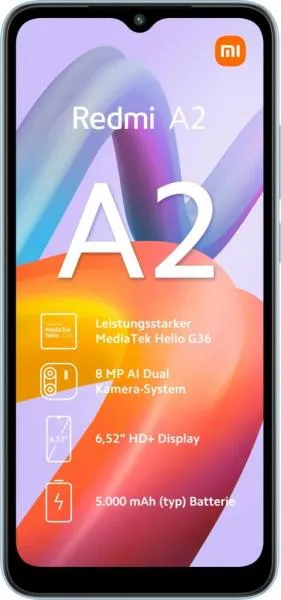
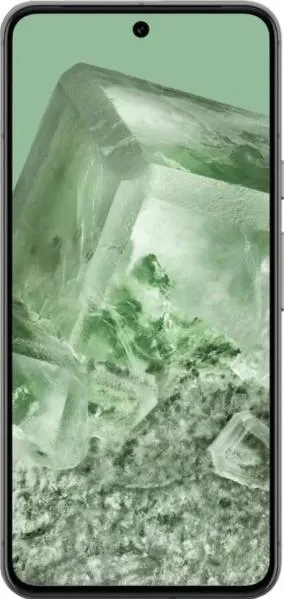
| Feature | Xiaomi Redmi A2 | Google Pixel 8 | Practical Impact |
|---|---|---|---|
| Design | |||
| Dimensions (mm) | 164.9 x 76.8 x 9.1 | 150.5 x 70.8 x 8.9 | Pixel 8 is noticeably smaller and more pocketable. |
| Weight (g) | 192 | 187 | Negligible weight difference in real-world usage. |
| Build Material | Unspecified | Unspecified | Material differences could impact durability and premium feel; information is lacking. |
| Display | |||
| Display Type | IPS LCD | OLED | Pixel 8's OLED offers deeper blacks, higher contrast, and potentially better power efficiency. |
| Display Size (inches) | 6.52 | 6.2 | Redmi A2 has a larger screen for media consumption, Pixel 8 is more one-hand friendly. |
| Resolution (pixels) | 720 x 1600 | 1080 x 2400 | Pixel 8 has a significantly sharper display with higher pixel density (428 vs 269 ppi). |
| Refresh Rate (Hz) | Unspecified | 120 | Pixel 8's 120Hz refresh rate delivers smoother scrolling and animations. |
| Peak Brightness (nits) | 400 (typ) | 2000 (peak) | Pixel 8 will be significantly more visible in direct sunlight. |
| Performance | |||
| Chipset | Mediatek Helio G36 (12 nm) | Google Tensor G3 (4 nm) | Tensor G3 offers significantly faster performance and improved power efficiency due to the smaller process node. |
| CPU | Octa-core (4x2.2 GHz Cortex-A53 & 4x1.7 GHz Cortex-A53) | Nona-core (1x3.0 GHz Cortex-X3 & 4x2.45 GHz Cortex-A715 & 4x2.15 GHz Cortex-A510) | Pixel 8 boasts a more powerful and modern CPU architecture for demanding tasks and multitasking. |
| RAM (GB) | 2/3 | 8 | Pixel 8's 8GB RAM enables smoother multitasking and better performance with demanding applications. |
| OS | Android 12 | Android 14 | Pixel 8 runs the latest Android version with guaranteed updates for longer, offering new features and security patches. |
| Camera | |||
| Rear Camera | 8MP Main, 0.3MP Auxiliary | 50MP Main, 12MP Wide | Pixel 8's camera system is vastly superior with higher resolution, wider lens, and advanced computational photography capabilities. |
| Front Camera | 5MP | 10.8MP | Pixel 8 offers higher resolution selfies. |
| Video Recording | 1080p@30fps | Up to 4K@60fps | Pixel 8 provides significantly better video recording quality and options. |
| Battery | |||
| Capacity (mAh) | 5000 | 4575 | Redmi A2 has a slightly larger battery capacity. |
| Fast Charging | 10W | 27W | Pixel 8 charges significantly faster. |
2. Key Differences Analysis
Xiaomi Redmi A2 Advantages:
- Larger Display: Better for media consumption.
- Potentially Longer Battery Life: Larger battery capacity might translate to longer usage, although the less efficient display and chipset could negate this.
Google Pixel 8 Advantages:
- Significantly Faster Performance: Tensor G3 and more RAM provide a smoother and more responsive experience.
- Superior Camera System: Higher resolution, wider lens, and advanced features deliver much better photos and videos.
- Higher Quality Display: OLED offers richer colors, deeper blacks, and a smoother 120Hz refresh rate.
- Latest Software and Updates: Android 14 with guaranteed long-term updates.
- Faster Charging: 27W fast charging significantly reduces downtime.
- Premium Features: NFC for mobile payments.
Trade-offs:
- The Redmi A2 sacrifices performance, camera quality, and display quality for a lower price point.
- The Pixel 8 has a smaller battery capacity and a higher price tag.
3. User Profiles & Recommendations
Xiaomi Redmi A2: Budget-conscious users who primarily use their phone for basic tasks like calling, texting, and light web browsing.
Google Pixel 8: Users who prioritize performance, camera quality, a premium display, and the latest software features. Suitable for demanding tasks, gaming, mobile photography, and videography.
4. Decision Framework
Key Questions for Buyers:
- What is your budget? The Redmi A2 is a budget option, while the Pixel 8 is a mid-range device.
- What are your primary phone usage patterns? Basic tasks vs. demanding applications, gaming, photography.
- How important are features like camera quality, display quality, and performance?
Scenario-Based Recommendations:
- Limited Budget, Basic Usage: Redmi A2
- Balanced Needs, Value for Money: Consider other mid-range options offering better value than the Redmi A2 without the Pixel 8's price premium.
- Best Possible Camera and Performance: Pixel 8
My Choice: Google Pixel 8
While the Redmi A2 offers a larger display and potentially longer battery life, the Pixel 8's advantages significantly outweigh these minor benefits. The superior performance, camera system, display quality, software updates, and faster charging make the Pixel 8 a much more compelling device for a broader range of users. Even though the price is higher, the Pixel 8 offers a significantly better overall user experience and long-term value. The Redmi A2 is only suitable for extremely budget-constrained users with very basic needs.
