1. Specifications Comparison
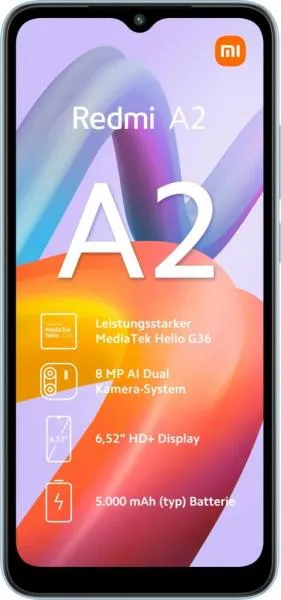
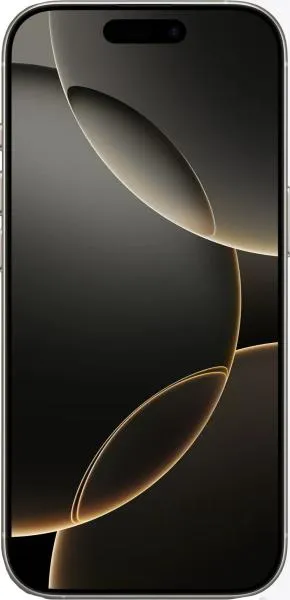
| Feature | Xiaomi Redmi A2 | Apple iPhone 16 Pro | Practical Impact |
|---|---|---|---|
| Design | |||
| Dimensions (mm) | 164.9 x 76.8 x 9.1 | 149.6 x 71.5 x 8.3 | iPhone 16 Pro is significantly smaller and thinner, making it more pocketable and easier to handle. |
| Weight (g) | 192 | 199 | Negligible weight difference. |
| Build Material | Unspecified | Unspecified | Build quality and durability cannot be compared without further information. A lack of detail limits a comprehensive analysis. |
| Display | |||
| Display Type | IPS LCD | LTPO Super Retina XDR OLED | iPhone's OLED offers superior contrast, deeper blacks, and potentially better power efficiency due to LTPO. Redmi A2's LCD might be brighter in direct sunlight but will suffer from washed-out colors in the dark. |
| Display Size (inches) | 6.52 | 6.3 | Redmi A2 has a slightly larger display, providing more screen real estate for media consumption. |
| Resolution | 720 x 1600 | 1206 x 2622 | iPhone 16 Pro has a much sharper display with significantly higher pixel density (460 ppi vs 269 ppi), resulting in crisper text and images. |
| Refresh Rate | Unspecified | 120Hz | iPhone 16 Pro's 120Hz refresh rate delivers smoother animations and scrolling compared to the Redmi A2's unspecified refresh rate. A lack of detail limits a comprehensive analysis. |
| Performance | |||
| Chipset | Helio G36 (12nm) | Apple A18 Pro (3nm) | iPhone 16 Pro's A18 Pro chip will offer significantly faster performance and better power efficiency due to its advanced architecture and smaller manufacturing process. |
| CPU | Octa-core | Hexa-core | Core count alone is not indicative of performance. The A18 Pro's architecture and individual core performance will be substantially superior. |
| GPU | PowerVR GE8320 | Apple GPU (6-core) | iPhone's GPU will provide a vastly superior gaming and graphics rendering experience. |
| RAM | 2GB/3GB | 8GB | iPhone 16 Pro offers significantly more RAM, enabling better multitasking and smoother performance with demanding applications. |
| Camera | |||
| Rear Camera | 8MP + 0.3MP | 48MP + 48MP + 12MP + 0.8MP | iPhone 16 Pro boasts a significantly more advanced camera system with higher resolution sensors, multiple lenses (including telephoto and ultrawide), and advanced features like LiDAR. |
| Front Camera | 5MP | 12MP | iPhone 16 Pro has a higher resolution front camera for better selfies and video calls. |
| Battery | |||
| Capacity (mAh) | 5000 | 3582 | Redmi A2 has a larger battery capacity, potentially offering longer battery life. However, real-world battery life depends on numerous factors, including software optimization and display power consumption. |
2. Key Differences Analysis
Xiaomi Redmi A2 Advantages:
- Larger Battery: Potentially longer battery life.
- Larger Display: More screen real estate for media consumption.
- Lower Price: Significantly more affordable.
Apple iPhone 16 Pro Advantages:
- Significantly Faster Performance: Smoother overall experience, better gaming capabilities.
- Superior Display: Sharper, more vibrant, and smoother with a 120Hz refresh rate.
- Advanced Camera System: Higher resolution, multiple lenses, superior image quality.
- Premium Features: NFC, advanced connectivity, and potentially better build quality.
Trade-offs:
- Redmi A2 sacrifices performance, display quality, and features for affordability and potentially longer battery life.
- iPhone 16 Pro prioritizes performance, display, and camera quality at a premium price point.
3. User Profiles & Recommendations
Xiaomi Redmi A2: Budget-conscious users who prioritize basic functionality, long battery life, and a large display for media consumption. Ideal for:
- Casual users primarily using their phone for calling, texting, and social media.
- Users in areas with limited charging access.
- Students or individuals on a tight budget.
Apple iPhone 16 Pro: Users who demand top-tier performance, a premium display, an advanced camera system, and the latest features. Ideal for:
- Power users who multitask heavily and use demanding applications.
- Mobile gamers and content creators.
- Photography enthusiasts.
4. Decision Framework
Key Questions for Buyers:
- What is your budget? The Redmi A2 is a budget phone, while the iPhone 16 Pro is a premium flagship device.
- What are your primary smartphone usage patterns? Consider whether you prioritize performance, display quality, camera capabilities, or battery life.
- What features are essential to you? NFC, a high refresh rate display, and advanced camera features might be crucial for some users.
My Choice: Apple iPhone 16 Pro
While the Xiaomi Redmi A2 offers excellent value for its price, the iPhone 16 Pro aligns better with my personal needs and priorities. I value a smooth and responsive user experience, which the A18 Pro chip and 120Hz display guarantee. The superior camera system is also a significant factor, as I enjoy mobile photography. While the battery capacity is smaller, Apple's optimization usually results in competitive real-world battery life. The higher price is justified by the significant performance gains, premium features, and overall quality of the device. The long-term software support offered by Apple also contributes to the value proposition. While I acknowledge the Redmi A2's strengths in battery size and affordability, the iPhone 16 Pro's comprehensive advantages in performance, display, camera, and features ultimately make it the better choice for me.
