1. Specifications Comparison
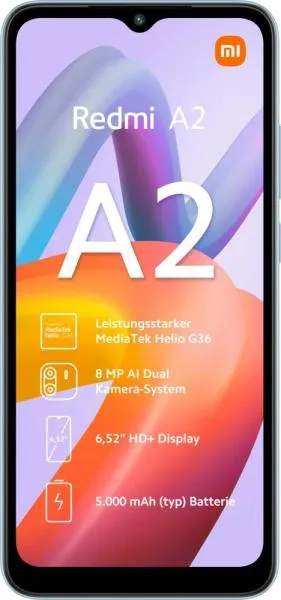
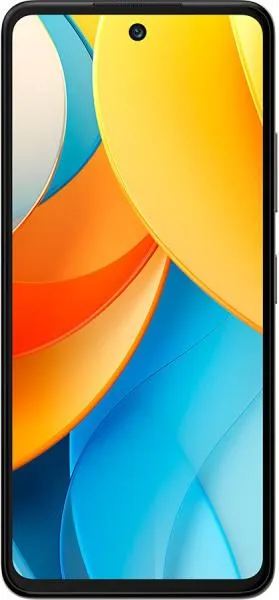
| Feature | Xiaomi Redmi A2+ | ZTE Blade V60 Design | Practical Impact |
|---|---|---|---|
| Design | |||
| Dimensions (mm) | 164.9 x 76.8 x 9.1 | 164.2 x 75.3 x 8.6 | Negligible size difference in daily use. |
| Weight (g) | 192 | 198 | Negligible weight difference. |
| Build Materials | Not specified | Not specified | Cannot compare build quality and durability. |
| Display | |||
| Size (inches) | 6.52 | 6.6 | ZTE has slightly larger screen real estate. |
| Resolution (pixels) | 720 x 1600 | 720 x 1612 | Virtually identical resolution; minimal visual difference. |
| Display Type | IPS LCD | IPS LCD | Similar color accuracy and viewing angles expected. |
| Refresh Rate (Hz) | Not specified | 90 | ZTE offers smoother scrolling and animations with 90Hz. |
| Performance | |||
| Chipset | Mediatek Helio G36 | Unisoc T606 | Both entry-level chipsets; Unisoc T606 generally performs slightly better in benchmarks. Expect comparable performance for basic tasks. |
| CPU | Octa-core (4x2.2 GHz Cortex-A53 & 4x1.7 GHz Cortex-A53) | Octa-core (2x1.6 GHz Cortex-A75 & 6x1.6 GHz Cortex-A55) | ZTE's CPU architecture might offer slightly better multi-core performance. |
| GPU | PowerVR GE8320 | Mali-G57 MP1 | Mali-G57 generally considered more powerful; ZTE may handle gaming slightly better. |
| RAM | 2GB/3GB | 4GB/6GB | ZTE offers significantly more RAM, enabling better multitasking and app performance. |
| Storage | 32GB/64GB | 256GB | ZTE offers much larger storage capacity. |
| Camera | |||
| Rear Camera | 8MP + 0.3MP | 50MP + 2MP + 0.3MP | ZTE boasts higher megapixel count on the primary sensor, potentially capturing more detail. Practical image quality depends on sensor size and processing, which are not specified. |
| Front Camera | 5MP | 8MP | ZTE has a higher resolution front camera for potentially better selfies. |
| Battery | |||
| Capacity (mAh) | 5000 | 5000 | Identical battery capacity. |
| Fast Charging | 10W | 22.5W | ZTE offers significantly faster charging. |
| Other | |||
| NFC | No | Yes | ZTE supports contactless payments and data transfer. |
| OS | Android 12 | Android 13 | ZTE comes with a newer Android version, offering potential feature and security updates. |
| USB | microUSB 2.0 | USB Type-C 2.0 | ZTE uses the more modern and reversible USB-C port. |
2. Key Differences Analysis
Xiaomi Redmi A2+ Advantages:
- Potentially Lower Price: Offers lower storage/RAM options which could translate to a lower entry price.
ZTE Blade V60 Design Advantages:
- Performance: More RAM, a generally more powerful chipset, and faster CPU cores suggest smoother performance.
- Display: 90Hz refresh rate provides a smoother user experience.
- Camera: Higher resolution primary camera sensor.
- Battery: Significantly faster charging.
- Connectivity: NFC for contactless payments.
- Software: Newer Android OS with likely longer support.
- USB: Modern USB-C port.
3. User Profiles & Recommendations
Xiaomi Redmi A2+: Users on an extremely tight budget who prioritize basic functionality (calling, texting, light web browsing) and long battery life.
ZTE Blade V60 Design: Users seeking a budget-friendly phone with decent performance for everyday tasks, smoother display, better camera potential, faster charging, and modern features like NFC and USB-C. Suitable for social media, light gaming, and moderate multitasking.
4. Decision Framework
Key Questions for Buyers:
- What is your budget? The Redmi A2+ likely offers a lower entry price.
- What are your primary use cases? For basic use, either phone might suffice. For more demanding tasks, the ZTE is better equipped.
- Which features are non-negotiable? NFC, faster charging, and USB-C are significant advantages for the ZTE.
My Choice: ZTE Blade V60 Design
While the Redmi A2+ might be slightly cheaper, the ZTE Blade V60 Design offers significant advantages in performance, display, charging, and features for a likely modest price increase. The 90Hz refresh rate, larger RAM, faster charging, NFC, and USB-C make it a more compelling overall package for most users. The significantly larger storage capacity of the ZTE also adds future-proofing. Even if the ZTE is slightly more expensive, the value proposition is significantly better. Unless budget is the absolute top constraint, the ZTE provides a more enjoyable and versatile user experience.
