1. Specifications Comparison
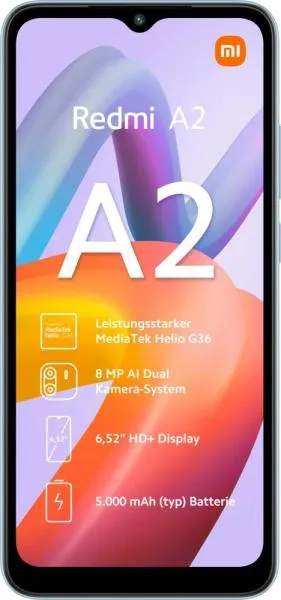
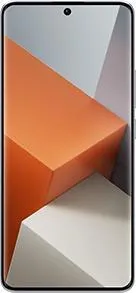
| Feature | Xiaomi Redmi A2+ | Xiaomi Redmi Note 13 Pro+ | Practical Impact |
|---|---|---|---|
| Design | |||
| Dimensions (mm) | 164.9 x 76.8 x 9.1 | 161.4 x 74.2 x 8.9 | Note 13 Pro+ is slightly smaller and thinner. |
| Weight (g) | 192 | 199 | Negligible weight difference in practical use. |
| Build | Unspecified | Unspecified | Material differences unknown, impacting durability and premium feel. |
| Display | |||
| Display Type | IPS LCD | AMOLED | Note 13 Pro+ offers significantly better contrast, deeper blacks, and more vibrant colors. |
| Display Size (inches) | 6.52 | 6.67 | Note 13 Pro+ provides a larger viewing area. |
| Resolution | 720 x 1600 | 1220 x 2712 | Note 13 Pro+ boasts much sharper visuals due to higher resolution. |
| Refresh Rate | Unspecified | 120Hz | Note 13 Pro+ will feel significantly smoother for scrolling and animations. |
| Peak Brightness | 400 nits (typ) | 1800 nits (peak) | Note 13 Pro+ will be far more visible in direct sunlight. |
| HDR | No | HDR10+, Dolby Vision | Note 13 Pro+ supports HDR content for a wider dynamic range and richer colors in compatible media. |
| Performance | |||
| Chipset | Mediatek Helio G36 (12 nm) | Mediatek Dimensity 7200 Ultra (4 nm) | Note 13 Pro+ offers significantly faster processing, smoother multitasking, and better gaming performance. |
| CPU | Octa-core (4x2.2 GHz Cortex-A53 & 4x1.7 GHz Cortex-A53) | Octa-core (2x2.8 GHz Cortex-A715 & 6x2.0 GHz Cortex-A510) | Note 13 Pro+ has a more powerful and efficient CPU architecture. |
| GPU | PowerVR GE8320 | Mali-G610 MC4 | Note 13 Pro+ offers substantially better graphics performance for demanding games and applications. |
| RAM | 2GB/3GB | 8GB/12GB | Note 13 Pro+ has significantly more RAM, enabling smoother multitasking and better performance with demanding apps. |
| Storage | 32GB/64GB | 256GB/512GB | Note 13 Pro+ offers vastly more storage for apps, photos, and videos. |
| Camera | |||
| Main Camera | 8MP | 200MP | Note 13 Pro+ offers dramatically higher resolution for detailed photos. |
| Front Camera | 5MP | 16MP | Note 13 Pro+ enables higher-resolution selfies. |
| Video Recording | 1080p@30fps | 4K@30fps with EIS | Note 13 Pro+ can record much higher resolution video with electronic image stabilization. |
| Battery | |||
| Capacity | 5000 mAh | 5000 mAh | Similar battery capacity. |
| Fast Charging | 10W | 120W | Note 13 Pro+ charges significantly faster. |
2. Key Differences Analysis
Redmi A2+ Advantages:
- Lower Price: Significantly more affordable.
Redmi Note 13 Pro+ Advantages:
- Superior Performance: Much faster processor, more RAM, and a more powerful GPU provide a dramatically smoother and more responsive user experience.
- Better Display: AMOLED with higher resolution, refresh rate, and HDR support delivers vastly improved visuals.
- Enhanced Camera: Higher resolution sensors, 4K video recording, and optical image stabilization result in significantly better photos and videos.
- Faster Charging: 120W fast charging drastically reduces charging time.
- More Storage: Ample storage space for apps, media, and files.
- NFC: Enables contactless payments and other NFC functionalities.
3. User Profiles & Recommendations
Redmi A2+: Budget-conscious users who prioritize basic functionality for calling, texting, and light web browsing. Suitable for users with minimal app usage and undemanding tasks.
Redmi Note 13 Pro+: Users who demand high performance, a premium display, excellent camera capabilities, and fast charging. Suitable for gamers, photographers, videographers, and power users.
4. Decision Framework
Key Questions:
- What is your budget? The Redmi A2+ is significantly cheaper.
- What are your primary smartphone usage patterns? Basic tasks vs. demanding apps, gaming, and media consumption.
- How important are camera quality and display quality to you? The Redmi Note 13 Pro+ excels in both areas.
My Choice: Xiaomi Redmi Note 13 Pro+
While the Redmi A2+ offers an attractive price, the Redmi Note 13 Pro+ provides a vastly superior user experience in almost every aspect. The performance difference alone is significant, making everyday tasks and demanding applications much more enjoyable. The superior display, camera, and fast charging further solidify the Note 13 Pro+ as the better choice for me. The price difference is justified by the significant leap in features and quality. Even though the build materials are unspecified for both, the overall package of the Note 13 Pro+ makes it a much more compelling device for a long-term investment.
