1. Specifications Comparison
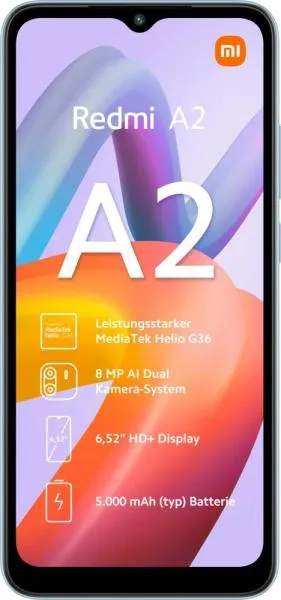
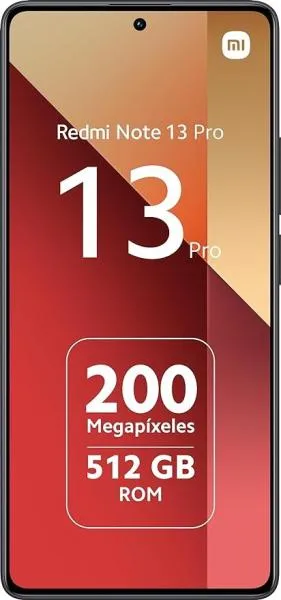
| Feature | Xiaomi Redmi A2+ | Xiaomi Redmi Note 13 Pro 4G | Practical Impact |
|---|---|---|---|
| Design | |||
| Dimensions (mm) | 164.9 x 76.8 x 9.1 | 161.1 x 75 x 8 | Note 13 Pro is slightly smaller and thinner. |
| Weight (g) | 192 | 188 | Negligible weight difference. |
| Build | Unspecified | Unspecified | Build quality cannot be compared due to missing information. |
| Display | |||
| Display Type | IPS LCD | AMOLED | Note 13 Pro offers more vibrant colors, deeper blacks, and better power efficiency. |
| Size (inches) | 6.52 | 6.67 | Note 13 Pro has a slightly larger screen. |
| Resolution | 720 x 1600 | 1080 x 2400 | Note 13 Pro has a significantly sharper display, resulting in clearer text and images. |
| Refresh Rate | Unspecified | 120Hz | Note 13 Pro's 120Hz refresh rate provides smoother scrolling and animations. |
| Peak Brightness | 400 nits (typ) | 1300 nits (peak) | Note 13 Pro is much brighter, ensuring better visibility outdoors. |
| Performance | |||
| Chipset | Mediatek Helio G36 (12 nm) | Mediatek Helio G99 Ultra | Note 13 Pro has a more powerful and efficient processor, leading to better performance in demanding tasks and gaming. |
| CPU | Octa-core (4x2.2 GHz Cortex-A53 & 4x1.7 GHz Cortex-A53) | Octa-core (2x2.2 GHz Cortex-A76 & 6x2.0 GHz Cortex-A55) | Note 13 Pro's CPU architecture is more modern and powerful. |
| GPU | PowerVR GE8320 | Mali-G57 MC2 | Note 13 Pro offers significantly better graphics performance for gaming. |
| RAM | 2GB/3GB | 8GB/12GB | Note 13 Pro has substantially more RAM, enabling smoother multitasking and better performance with demanding apps. |
| Storage | 32GB/64GB | 128GB/256GB/512GB | Note 13 Pro offers much more storage space for apps, photos, and videos. |
| Camera | |||
| Rear Camera | 8MP + 0.3MP | 200MP + 8MP + 2MP | Note 13 Pro boasts a significantly higher resolution main camera, potentially capturing more detail. It also features a dedicated ultra-wide and depth sensor for versatile photography. |
| Front Camera | 5MP | 16MP | Note 13 Pro has a much higher resolution front camera for better selfies. |
| Video Recording | 1080p@30fps | 1080p@30/60fps | Note 13 Pro offers more video recording options, including 60fps for smoother footage. |
| Battery | |||
| Capacity | 5000 mAh | 5000 mAh | Similar battery capacity. |
| Fast Charging | 10W | 67W | Note 13 Pro charges significantly faster. |
2. Key Differences Analysis
Redmi A2+ Advantages:
- Lower Price: Significantly more affordable.
Redmi Note 13 Pro 4G Advantages:
- Superior Performance: Much faster processor, more RAM, and better GPU for smoother overall experience and gaming.
- Better Display: Higher resolution, AMOLED technology, higher refresh rate, and peak brightness for a more enjoyable viewing experience.
- Enhanced Camera System: Higher resolution sensors, ultra-wide and depth lenses, and better video recording capabilities.
- Faster Charging: Significantly faster charging speeds.
- More Storage: More options for internal storage.
- NFC: Enables contactless payments and other NFC functionalities.
- More up-to-date OS: Ships with Android 13 with guaranteed updates to Android 16.
3. User Profiles & Recommendations
Redmi A2+: Budget-conscious users who prioritize basic functionality for calling, texting, and light web browsing. Ideal for users who need a simple, affordable phone without demanding performance or advanced features.
Redmi Note 13 Pro 4G: Users who value performance, a high-quality display, a versatile camera system, and fast charging. Suitable for gaming, media consumption, mobile photography, and multitasking.
4. Decision Framework
Key Questions:
- What is your budget? The A2+ is significantly cheaper.
- What are your primary phone usage patterns? Basic tasks vs. demanding apps, gaming, and media consumption.
- Which features are most important to you? Camera quality, display, performance, battery life, charging speed.
Scenario-Based Recommendations:
- Limited Budget, Basic Use: Redmi A2+
- Balanced Budget, Versatile Use: Redmi Note 13 Pro 4G
My Choice: Xiaomi Redmi Note 13 Pro 4G
While the Redmi A2+ offers an extremely budget-friendly option, the Redmi Note 13 Pro 4G provides significantly better value in terms of performance, display, camera, and overall user experience. The difference in price is justified by the substantial upgrades across all key areas. The longer software support provided by Xiaomi for the Redmi Note 13 Pro 4G, up to Android 16, makes it a more future-proof device. For my needs, which include moderate gaming, media consumption, and photography, the Redmi Note 13 Pro 4G is the clear winner. The faster charging is also a major convenience in my daily usage. While I appreciate the A2+'s low price point, the compromises in performance and features are too significant for me to consider it.
