1. Specifications Comparison
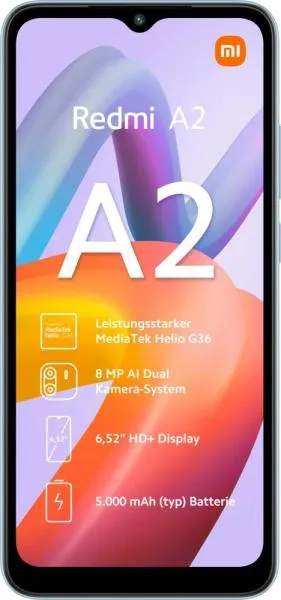
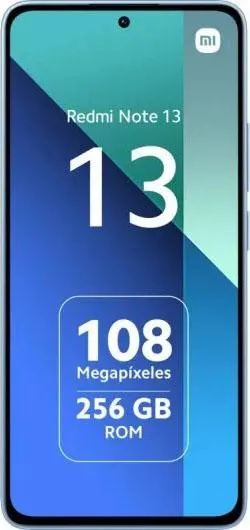
| Feature | Xiaomi Redmi A2+ | Xiaomi Redmi Note 13 4G | Practical Impact |
|---|---|---|---|
| Design | |||
| Dimensions (mm) | 164.9 x 76.8 x 9.1 | 162.3 x 75.6 x 8 | Redmi Note 13 4G is slightly smaller and thinner. |
| Weight (g) | 192 | 188.5 | Negligible weight difference. |
| Build Material | Not specified | Not specified | Cannot compare build quality. |
| Display | |||
| Display Type | IPS LCD | AMOLED | AMOLED offers richer colors, deeper blacks, and better power efficiency. |
| Display Size (inches) | 6.52 | 6.67 | Note 13 4G has a slightly larger display. |
| Resolution | 720 x 1600 | 1080 x 2400 | Note 13 4G has a significantly sharper display. |
| Refresh Rate (Hz) | Not specified | 120 | 120Hz offers smoother scrolling and animations, enhancing user experience. |
| Peak Brightness (nits) | 400 (typ) | 1800 (peak) | Note 13 4G is much brighter, improving outdoor visibility. |
| Performance | |||
| Chipset | Mediatek Helio G36 (12 nm) | Qualcomm Snapdragon 685 (6 nm) | Snapdragon 685 offers better performance and efficiency. |
| CPU | Octa-core (4x2.2 GHz Cortex-A53 & 4x1.7 GHz Cortex-A53) | Octa-core (4x2.8 GHz Cortex-A73 & 4x1.9 GHz Cortex-A53) | Note 13 4G has faster and more powerful CPU cores, resulting in smoother multitasking and app performance. |
| GPU | PowerVR GE8320 | Adreno 610 | Adreno 610 offers significantly better graphics performance for gaming. |
| RAM (GB) | 2 | 8 | More RAM enables smoother multitasking and better performance with demanding apps. |
| Storage (GB) | 32/64 | 128/256 | Note 13 4G offers more storage options. |
| Camera | |||
| Main Camera (MP) | 8 | 108 | Note 13 4G has a much higher resolution main camera, potentially capturing more detailed photos. |
| Front Camera (MP) | 5 | 16 | Note 13 4G has a significantly better selfie camera. |
| Camera Features | Basic | More advanced features, including slow-motion video | Note 13 4G offers more versatile camera capabilities. |
| Battery | |||
| Capacity (mAh) | 5000 | 5000 | Similar battery capacity. |
| Fast Charging | 10W | 33W | Note 13 4G charges significantly faster. |
2. Key Differences Analysis
Redmi A2+ Advantages:
- Lower Price: Significantly more affordable.
Redmi Note 13 4G Advantages:
- Superior Performance: Significantly faster processor, GPU, and more RAM for smoother overall experience.
- Better Display: AMOLED display with higher resolution, refresh rate, and brightness.
- Enhanced Camera: Higher resolution main and selfie cameras with more advanced features.
- Faster Charging: 33W fast charging vs 10W.
- NFC: Enables contactless payments and other NFC functionalities.
- More Up-to-date Software: Ships with Android 13 and will receive more software updates.
- USB Type-C: More modern and versatile port.
3. User Profiles & Recommendations
Redmi A2+: Budget-conscious users who prioritize basic functionality for calling, texting, and light web browsing. Ideal for users who don't play demanding games or require high-quality photos.
Redmi Note 13 4G: Users who want a well-rounded smartphone with good performance, display, camera, and battery life. Suitable for gaming, media consumption, photography, and multitasking.
4. Decision Framework
Key Questions for Buyers:
- What is your budget? The Redmi A2+ is significantly cheaper.
- What are your primary smartphone usage patterns? For basic use, the A2+ may suffice. For demanding tasks, the Note 13 4G is necessary.
- How important are features like display quality, camera performance, and fast charging? The Note 13 4G significantly outperforms the A2+ in these areas.
My Choice: Xiaomi Redmi Note 13 4G
While the Redmi A2+ is a budget-friendly option, the Redmi Note 13 4G offers a significantly better overall user experience for a relatively small price increase. The superior performance, display, camera, faster charging, NFC functionality, and more modern USB-C port make it a much more compelling device for most users. The smoother 120Hz display and AMOLED technology alone greatly enhance daily interaction. The Snapdragon 685 with 8GB of RAM provides ample power for demanding tasks and ensures a future-proof experience. While budget is a constraint for some, the long-term benefits of the Note 13 4G justify the investment. A better performing phone is likely to remain usable for a longer period, ultimately offering better value.
