1. Specifications Comparison
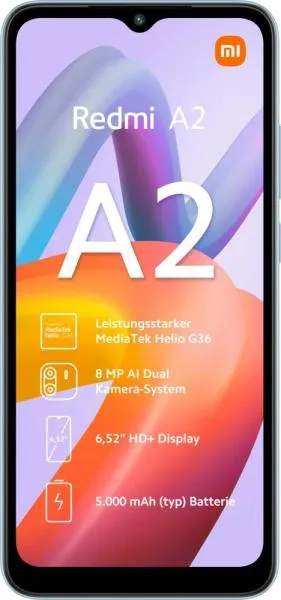
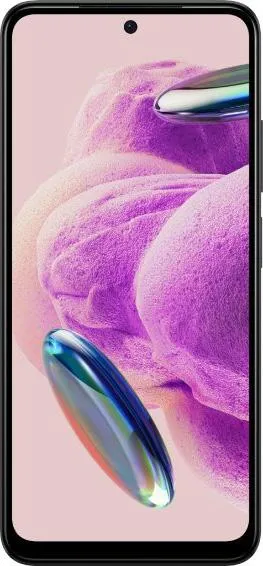
| Feature | Xiaomi Redmi A2+ | Xiaomi Redmi Note 12S | Practical Impact |
|---|---|---|---|
| Design | |||
| Dimensions (mm) | 164.9 x 76.8 x 9.1 | 159.9 x 73.9 x 8.1 | Redmi Note 12S is slightly smaller and thinner. |
| Weight (g) | 192 | 176 | Redmi Note 12S is noticeably lighter, improving one-handed use. |
| Build Materials | Not specified | Not specified | Cannot compare build quality and durability. |
| Display | |||
| Display Type | IPS LCD | AMOLED | AMOLED offers richer colors, deeper blacks, and better power efficiency. |
| Display Size (inches) | 6.52 | 6.43 | Negligible size difference. |
| Resolution | 720 x 1600 | 1080 x 2400 | Redmi Note 12S has a significantly sharper display, resulting in clearer text and images. |
| Refresh Rate | Not specified | 90Hz | 90Hz provides smoother scrolling and animations compared to a standard 60Hz likely on the A2+. |
| Peak Brightness | 400 nits (typ) | 1000 nits (peak) | Redmi Note 12S is much brighter, ensuring better visibility outdoors. |
| Performance | |||
| Chipset | Mediatek Helio G36 | Mediatek Helio G96 | Redmi Note 12S has a more powerful processor, leading to better performance in demanding tasks and gaming. |
| CPU | Octa-core (4x2.2 GHz Cortex-A53 & 4x1.7 GHz Cortex-A53) | Octa-core (2x2.05 GHz Cortex-A76 & 6x2.0 GHz Cortex-A55) | Redmi Note 12S has a more modern and powerful CPU architecture. |
| GPU | PowerVR GE8320 | Mali-G57 MC2 | Redmi Note 12S offers significantly better graphics performance for gaming. |
| RAM | 2GB/3GB | 6GB/8GB | Redmi Note 12S has much more RAM, enabling better multitasking and smoother performance. |
| Storage | 32GB/64GB | 128GB/256GB | Redmi Note 12S offers significantly more storage for apps, photos, and videos. |
| Camera | |||
| Main Camera | 8MP | 108MP | Redmi Note 12S boasts a much higher resolution main camera, potentially capturing more detail. |
| Front Camera | 5MP | 16MP | Redmi Note 12S has a higher resolution front camera for better selfies. |
| Video Recording | 1080p@30fps | 1080p@30fps | Similar video recording capabilities, although sensor quality differences might impact actual results. Redmi Note 12S offers 120fps slow-motion, while it's unclear for the A2+. |
| Battery | |||
| Capacity | 5000 mAh | 5000 mAh | Similar battery capacity. |
| Charging | 10W | 33W | Redmi Note 12S charges significantly faster. |
2. Key Differences Analysis
Redmi Note 12S Advantages:
- Superior Display: AMOLED with higher resolution, refresh rate, and brightness. This translates to a vastly improved visual experience.
- Significantly Better Performance: More powerful processor, GPU, and significantly more RAM. This results in smoother multitasking, better gaming, and faster app loading.
- Enhanced Camera System: Higher resolution main and front cameras, potentially capturing more detail and better low-light performance. Faster slow-motion capabilities.
- Faster Charging: 33W fast charging significantly reduces downtime.
- NFC: Enables contactless payments and other NFC functionalities.
Redmi A2+ Advantages:
- Lower Price: Positioned in the low price range, making it more budget-friendly.
- Potentially Longer Software Support: Running near stock Android may lead to quicker and more consistent software updates than MIUI on the Redmi Note 12S although this is not guaranteed.
3. User Profiles & Recommendations
Redmi A2+: Budget-conscious users who prioritize basic communication, web browsing, and light app usage. Suitable for users who don't play demanding games or require high-quality photography.
Redmi Note 12S: Users who value a premium multimedia experience, smooth performance, better gaming capabilities, and a good camera. Suitable for users who engage in multitasking, photography, and mobile gaming.
4. Decision Framework
Key Questions for Buyers:
- What is your budget? The Redmi A2+ is significantly cheaper.
- What are your primary smartphone uses? Gaming, photography, and multitasking benefit greatly from the Redmi Note 12S's superior hardware.
- How important is display quality? The Redmi Note 12S offers a far superior display experience.
My Choice: Xiaomi Redmi Note 12S
While the Redmi A2+ offers an attractive price point, the Redmi Note 12S provides a significantly better overall user experience. The superior display, performance, camera, and faster charging outweigh the price difference for most users. The inclusion of NFC also adds valuable functionality. Unless budget is extremely tight, the Redmi Note 12S is a much more compelling device. The significantly improved display, performance, and camera would greatly enhance daily usage. The faster charging is a significant convenience.
