1. Specifications Comparison
| Feature | Xiaomi Redmi A2+ | Xiaomi Redmi A3x | Practical Impact |
|---|---|---|---|
| Design | |||
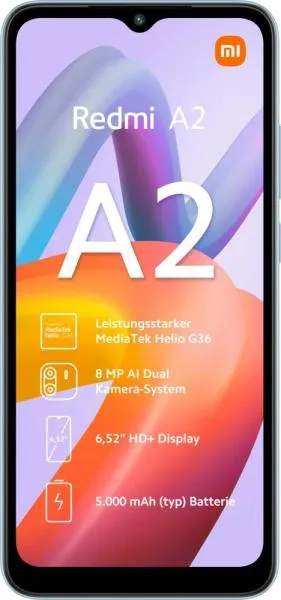
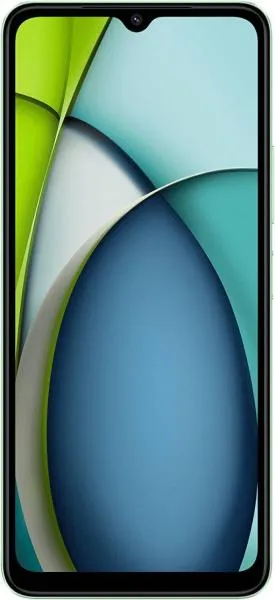
| Dimensions (mm) | 164.9 x 76.8 x 9.1 | 168.4 x 76.3 x 8.3 | Redmi A3x is slightly larger but thinner. Negligible difference in daily use. |
| Weight (g) | 192 | 193 | Virtually identical weight. |
| USB Type | microUSB 2.0 | USB Type-C | Significant advantage for A3x: USB-C offers faster data transfer and charging, is more durable and reversible. |
| Fingerprint Sensor | Rear-mounted | Side-mounted | Subjective preference. Side-mounted can be more convenient when the phone is on a table. |
| Display | |||
| Size (inches) | 6.52 | 6.71 | A3x offers a slightly larger screen for more immersive content consumption. |
| Resolution (px) | 720 x 1600 | 720 x 1650 | Negligible difference in sharpness at this size and resolution. |
| Display Type | IPS LCD, 400 nits (typ) | IPS LCD, 90Hz, 500 nits | Major advantage for A3x: Higher refresh rate (90Hz) results in smoother animations and scrolling. Higher brightness improves outdoor visibility. |
| Performance | |||
| Chipset | Mediatek Helio G36 (12 nm) | Unisoc T603 (22 nm) | Difficult to compare directly due to different architectures. Benchmarks would be needed for objective comparison. |
| CPU | Octa-core (4x2.2 GHz Cortex-A53 & 4x1.7 GHz Cortex-A53) | Octa-core 1.8 GHz | Clock speed alone doesn't determine performance. A3x's newer architecture might compensate for lower clock speed. |
| GPU | PowerVR GE8320 | Mali-G57 MP1 | Similar to CPU, direct comparison is difficult without benchmarks. |
| RAM (GB) | 2 | 3/4 | Advantage for A3x: More RAM enables better multitasking and smoother performance with multiple apps. |
| OS | Android 12 | Android 14 | Advantage for A3x: Newer OS version means longer software support and potential access to newer features. A3x also boasts guaranteed updates to Android 16. |
| Camera | |||
| Rear Camera | 8MP + 0.3MP | 8MP + 0.1MP | Virtually identical primary camera specifications. Secondary lens is likely for depth sensing and of limited practical use. |
| Front Camera | 5MP | 5MP | Identical front camera resolution. |
| Video Recording | 1080p@30fps | 1080p@30fps | Identical video recording capabilities. |
| Battery | |||
| Capacity (mAh) | 5000 | 5000 | Identical battery capacity. Real-world battery life will depend on software and hardware optimizations. |
| Fast Charging | 10W | 10W | Identical fast charging speed. |
2. Key Differences Analysis
Redmi A2+ Advantages:
- Potentially wider availability at launch due to earlier release date.
Redmi A3x Advantages:
- Significantly better display: 90Hz refresh rate and higher brightness provide a vastly superior user experience.
- More modern USB Type-C port: Faster data transfer, charging, and overall convenience.
- More RAM: Better multitasking and smoother performance.
- Newer Android version: Longer software support and newer features. Guaranteed updates to Android 16.
3. User Profiles & Recommendations
Redmi A2+: Extremely budget-conscious users who prioritize basic functionality and the lowest possible price. Suitable for simple tasks like calling, texting, and light web browsing.
Redmi A3x: Users who want a smooth and responsive display even on a budget. Suitable for casual gaming, social media, and content consumption. The longer software update cycle is a bonus.
4. Decision Framework
Key Questions for Buyers:
- What is your budget? While both are budget phones, the A2+ might be slightly cheaper.
- How important is display quality? The A3x's 90Hz display is a significant advantage.
- How long do you plan to keep the phone? The A3x's newer Android version will receive updates for longer.
Scenario-Based Recommendations:
- Tightest Budget: Redmi A2+
- Best Value for Money: Redmi A3x
- Emphasis on Longevity: Redmi A3x
My Choice: Xiaomi Redmi A3x
While both phones are budget-oriented, the Redmi A3x offers significant advantages that outweigh the minor price difference. The 90Hz display alone drastically improves the user experience, making interactions feel much smoother and more responsive. The inclusion of USB-C, more RAM, and a newer Android version with guaranteed updates to Android 16 further solidifies the A3x as the better long-term investment. The A2+ only makes sense if the absolute lowest price is the sole deciding factor. For most users, the A3x provides a significantly better overall experience.
