1. Specifications Comparison
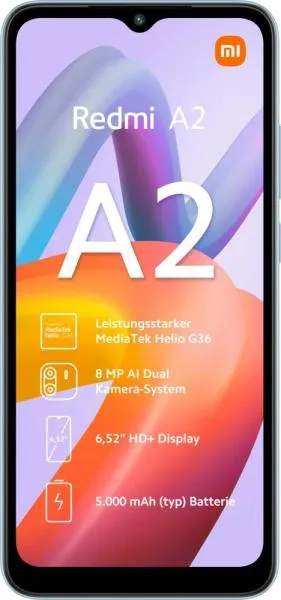
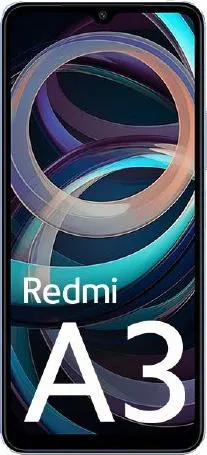
| Feature | Xiaomi Redmi A2+ | Xiaomi Redmi A3 | Practical Impact |
|---|---|---|---|
| Design | |||
| Dimensions (mm) | 164.9 x 76.8 x 9.1 | 168.3 x 76.3 x 8.3 | Redmi A3 is slightly larger and thinner. Negligible difference in daily use. |
| Weight (g) | 192 | 193 | Virtually identical weight. |
| Fingerprint Sensor | Rear-mounted | Side-mounted | Personal preference; side-mounted often considered more ergonomic. |
| Display | |||
| Size (inches) | 6.52 | 6.71 | A3 has a slightly larger screen, providing more immersive content consumption. |
| Resolution (pixels) | 720 x 1600 | 720 x 1650 | Both have similar HD+ resolution; minimal difference in sharpness. |
| Refresh Rate (Hz) | Not specified | 90 | A3's 90Hz refresh rate will deliver smoother scrolling and animations. A significant advantage for user experience. |
| Display Type | IPS LCD | IPS LCD | Both use LCD technology. Expect similar color accuracy and viewing angles. |
| Performance | |||
| Chipset | Mediatek Helio G36 (12 nm) | Mediatek Helio G36 (12 nm) | Identical chipsets; expect similar performance. |
| CPU | Octa-core (4x2.2 GHz Cortex-A53 & 4x1.7 GHz Cortex-A53) | Octa-core (4x2.2 GHz Cortex-A53 & 4x1.6 GHz Cortex-A53) | Minor clock speed difference in efficiency cores. Likely negligible real-world performance difference. |
| GPU | PowerVR GE8320 | PowerVR GE8320 | Same GPU. Expect identical gaming and graphics performance. |
| RAM | 2/3 GB | 3/4/6 GB | A3 offers higher RAM configurations, enabling better multitasking and smoother performance with more demanding apps. |
| OS | Android 12 | Android 14 | A3 comes with a newer Android version, offering potential performance improvements, security updates, and new features. |
| NFC | No | Yes | A3 supports NFC for contactless payments and other NFC-enabled applications. |
| Camera | |||
| Rear Camera | 8MP + 0.3MP | 8MP + 0.3MP | Identical camera setups on paper. Image quality likely very similar. Need real-world camera samples for accurate comparison. |
| Front Camera | 5MP | 5MP | Same front camera resolution. Selfie quality will likely be similar. |
| Battery | |||
| Capacity (mAh) | 5000 | 5000 | Same battery capacity. Expect comparable battery life, though A3's larger and higher refresh rate display may consume more power. |
| Charging | 10W Fast Charging | 10W Fast Charging | Both offer the same charging speed. |
| USB Type | microUSB 2.0 | USB Type-C 2.0 | A3 utilizes the more modern and versatile USB-C port. |
2. Key Differences Analysis
Redmi A2+ Advantages:
- Potentially slightly cheaper (depending on configuration).
Redmi A3 Advantages:
- Newer Android Version: Android 14 offers better security and potential feature updates.
- Higher Refresh Rate Display: 90Hz provides a noticeably smoother user experience.
- More RAM Options: Configurations with up to 6GB RAM allow for better multitasking.
- NFC: Enables contactless payments and other NFC functionalities.
- USB-C Port: Modern and reversible connector.
Trade-offs:
- Redmi A3's larger display and higher refresh rate might slightly reduce battery life compared to the A2+, though both have the same battery capacity.
3. User Profiles & Recommendations
Redmi A2+: Budget-conscious users who prioritize basic functionality and long battery life over advanced features. Suitable for calling, texting, web browsing, and light social media use.
Redmi A3: Users who want a smooth and modern smartphone experience with features like NFC and a higher refresh rate display. Ideal for users who engage in moderate multitasking, gaming, and media consumption.
4. Decision Framework
Key Questions for Buyers:
- What is your budget? The A2+ will likely be cheaper, especially in lower RAM/storage configurations.
- How important is a smooth display and multitasking performance? The A3's 90Hz display and higher RAM options provide a significant advantage here.
- Do you need NFC for contactless payments? This is a key differentiator, as the A2+ lacks NFC.
Scenario-Based Recommendations:
- Tight Budget, Basic Needs: Redmi A2+
- Balanced Features and Value: Redmi A3 (lower RAM configuration)
- Smooth Performance and Future-Proofing: Redmi A3 (higher RAM configuration)
My Choice: Xiaomi Redmi A3
While the price difference might be a factor, the Redmi A3 offers several crucial advantages that significantly enhance the user experience. The 90Hz refresh rate alone makes a noticeable difference in daily use, making scrolling and animations feel much smoother. Furthermore, Android 14 provides longer software support and potential new features. NFC is essential for mobile payments and adds convenience. The USB-C port is a welcome addition for modern connectivity. Even the base RAM configuration of the A3 (3GB) is better than the A2+'s maximum offering, contributing to smoother performance. The slight increase in screen size is a bonus for media consumption. Overall, the Redmi A3 offers better value and a more enjoyable user experience in the long run.
