1. Specifications Comparison
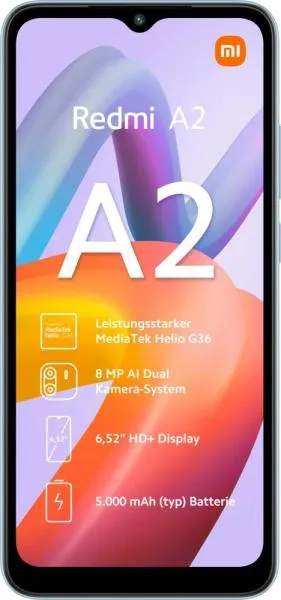
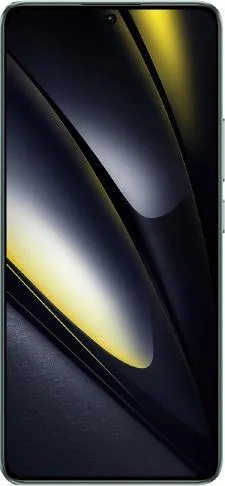
| Feature | Xiaomi Redmi A2+ | Xiaomi Poco F6 | Practical Impact |
|---|---|---|---|
| Design | |||
| Dimensions (mm) | 164.9 x 76.8 x 9.1 | 160.5 x 74.5 x 8 | Poco F6 is slightly smaller and thinner. |
| Weight (g) | 192 | 179 | Poco F6 is noticeably lighter. |
| Build | Unspecified | Unspecified | Build quality cannot be compared due to missing information. |
| Display | |||
| Display Type | IPS LCD | AMOLED | Poco F6 offers significantly better contrast, colors, and power efficiency. |
| Size (inches) | 6.52 | 6.67 | Poco F6 has a slightly larger display. |
| Resolution | 720 x 1600 | 1220 x 2712 | Poco F6 boasts a much sharper and more detailed display. |
| Refresh Rate | Unspecified | 120Hz | Poco F6 provides smoother scrolling and animations thanks to the high refresh rate. Redmi A2+'s refresh rate is unknown. |
| HDR | No | HDR10+, Dolby Vision | Poco F6 supports HDR content for a wider dynamic range and richer colors in compatible media. |
| Peak Brightness | 400 nits (typ) | 2400 nits (peak) | Poco F6 is vastly brighter, ensuring better visibility in sunlight. |
| Performance | |||
| Chipset | Mediatek Helio G36 (12 nm) | Qualcomm SM8635 Snapdragon 8s Gen 3 (4 nm) | Poco F6 offers vastly superior processing power and efficiency. |
| CPU | Octa-core (4x2.2 GHz Cortex-A53 & 4x1.7 GHz Cortex-A53) | Octa-core (1x3.0 GHz Cortex-X4 & 4x2.8 GHz Cortex-A720 & 3x2.0 GHz Cortex-A520) | Poco F6 has a much more powerful and modern CPU architecture, resulting in significantly faster performance. |
| GPU | PowerVR GE8320 | Adreno 735 | Poco F6 provides dramatically better graphics performance for demanding games and applications. |
| RAM | 2GB/3GB | 8GB/12GB | Poco F6 offers much more RAM, allowing for smoother multitasking and better handling of demanding apps. |
| Camera | |||
| Rear Camera | 8MP Main, 0.3MP unspecified | 50MP Main (Sony IMX882), 8MP Wide Angle | Poco F6 has a significantly higher resolution main camera with a larger sensor, likely resulting in better image quality. It also offers a wide-angle lens. |
| Front Camera | 5MP | 20MP | Poco F6 has a much higher resolution front camera for better selfies. |
| Video Recording | 1080p@30fps | Up to 4K@60fps with EIS | Poco F6 offers much higher resolution and frame rate video recording with electronic image stabilization. |
| Battery | |||
| Capacity | 5000 mAh | 5000 mAh | Both phones have the same battery capacity. |
| Fast Charging | 10W | 90W | Poco F6 charges significantly faster. |
2. Key Differences Analysis
Xiaomi Redmi A2+ Advantages:
- Lower Price: Significantly more affordable.
Xiaomi Poco F6 Advantages:
- Significantly Faster Performance: The Snapdragon 8s Gen 3 chip and higher RAM provide a vastly superior experience for demanding tasks and gaming.
- Much Better Display: AMOLED with higher resolution, refresh rate, HDR support, and peak brightness results in a dramatically improved visual experience.
- Superior Camera System: Higher resolution sensors, wide-angle lens, and better video recording capabilities.
- Faster Charging: 90W fast charging enables incredibly quick charging times.
- More Modern Features: NFC, Bluetooth 5.4, WiFi 6 (802.11ax).
Trade-offs:
- Price: The Poco F6's advanced features come at a significantly higher price.
3. User Profiles & Recommendations
Redmi A2+: Budget-conscious users who prioritize basic communication and light tasks. Suitable for:
- Calling, texting, and social media browsing.
- Light web browsing and email.
- Casual photography in good lighting conditions.
Poco F6: Users who demand high performance, a premium display, and excellent camera capabilities. Suitable for:
- Demanding gaming and applications.
- Content creation (photography and video).
- Multitasking and productivity.
- Users who value a premium multimedia experience.
4. Decision Framework
Key Questions for Buyers:
- What is your budget? The Redmi A2+ is a budget option, while the Poco F6 is a mid-range device.
- What are your primary smartphone usage patterns? Basic communication vs. demanding tasks and gaming.
- How important are display quality and camera performance to you? The Poco F6 significantly outperforms the Redmi A2+ in these areas.
My Choice: Xiaomi Poco F6
While the Redmi A2+ is a decent budget option for basic needs, the Poco F6 offers a vastly superior overall experience. The performance difference is substantial, the display is significantly better, and the camera system is much more capable. The faster charging is a major convenience. While the price is higher, the Poco F6 provides excellent value for its features, especially for users who demand performance and a premium experience. The Redmi A2+ would only be a suitable choice for extremely budget-constrained users who only need basic smartphone functionality.
